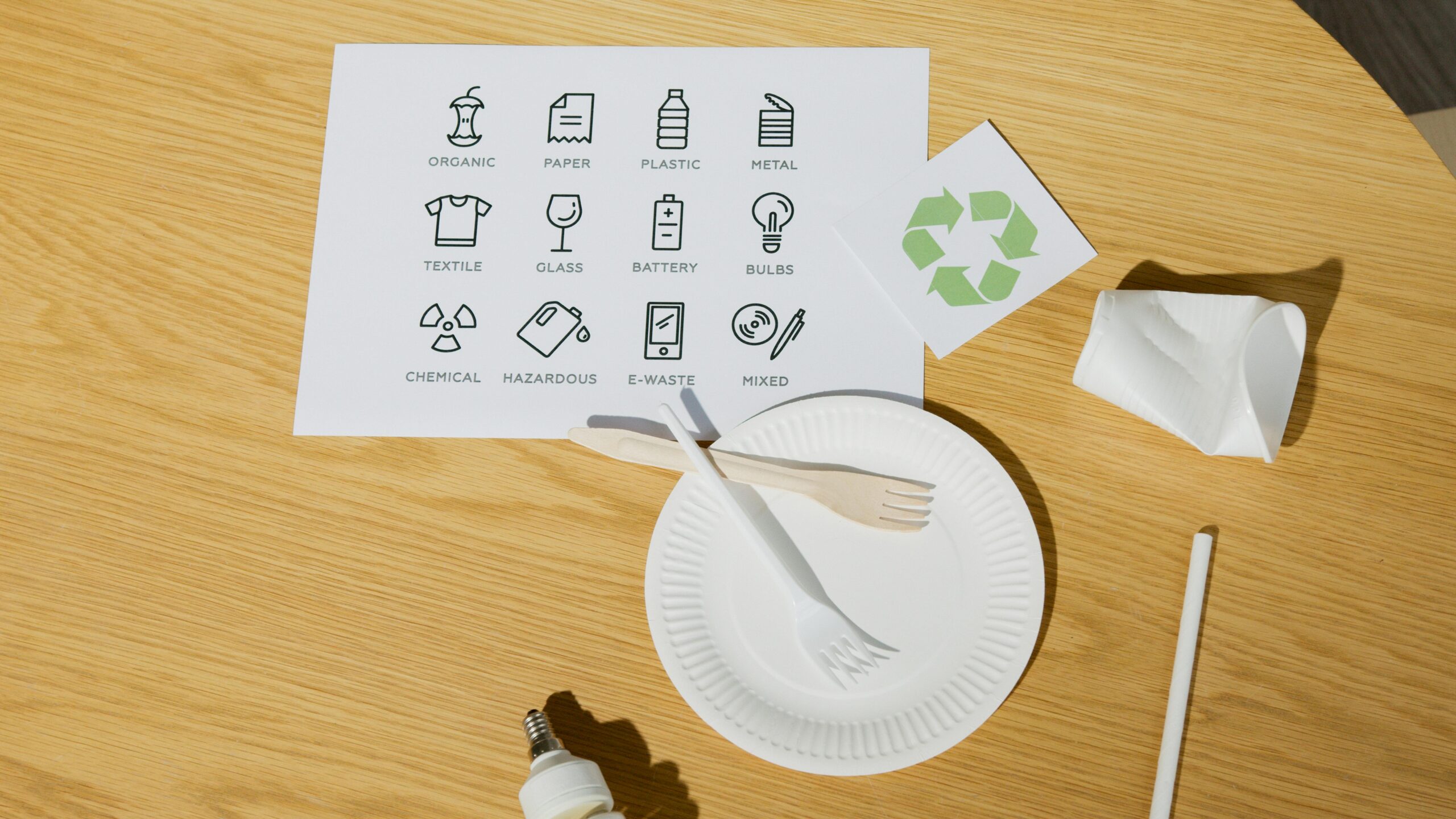
The journey toward environmental neutrality begins with reimagining how we produce, consume, and dispose of materials in our modern economy. 🌍

Our planet faces an unprecedented challenge: linear economic models have pushed natural resources to their breaking point while generating waste at alarming rates. Traditional “take-make-dispose” approaches have created environmental degradation, resource depletion, and climate instability that threaten future generations. The solution lies not in minor adjustments but in fundamental transformation—closing the loop through material circularity.
Material circularity represents a paradigm shift from wasteful linear systems to regenerative cycles where materials continuously flow through economic systems without becoming waste. This approach offers a practical pathway toward environmental neutrality by minimizing resource extraction, reducing pollution, and restoring ecological balance. Understanding how circular material flows can reshape our relationship with the environment is essential for businesses, policymakers, and individuals committed to sustainable futures.
🔄 Understanding Material Circularity Beyond Recycling
Material circularity extends far beyond traditional recycling programs. While recycling plays an important role, true circularity encompasses entire product lifecycles—from design and production through use, recovery, and regeneration. This holistic approach ensures materials maintain their highest value throughout multiple cycles of use.
The circular economy framework rests on three fundamental principles: designing out waste and pollution, keeping products and materials in use, and regenerating natural systems. These principles challenge conventional business models that prioritize short-term consumption over long-term sustainability. By embedding circularity into design processes, manufacturers can create products that are durable, repairable, upgradable, and ultimately recyclable or compostable.
Material circularity distinguishes between biological and technical cycles. Biological materials can safely return to nature, enriching ecosystems rather than contaminating them. Technical materials—metals, plastics, and synthetic compounds—must circulate within industrial systems where they can be continuously recovered and reused without quality degradation. This distinction guides material selection and end-of-life strategies.
The Circularity Gap: Measuring Our Progress
Current global circularity rates reveal significant room for improvement. Research indicates that only approximately 7-9% of materials entering the global economy are cycled back after use. This staggering gap demonstrates how predominantly linear our economic systems remain despite growing awareness about sustainability challenges.
Measuring circularity involves tracking material flows through supply chains, production processes, consumption patterns, and waste streams. Advanced monitoring systems help organizations identify leakage points where materials exit circular loops unnecessarily. These insights enable targeted interventions that improve retention rates and resource efficiency.
🌱 Environmental Neutrality as the Ultimate Goal
Environmental neutrality represents a state where human activities neither deplete natural resources nor accumulate waste in ecosystems. Achieving this balance requires matching material extraction rates with regeneration rates while ensuring emissions and waste outputs stay within nature’s absorptive capacity. Material circularity serves as the engine driving progress toward this ambitious goal.
The connection between circularity and environmental neutrality operates through multiple mechanisms. First, circular systems dramatically reduce primary resource extraction, easing pressure on forests, mines, fisheries, and agricultural lands. Second, they minimize waste generation that would otherwise contaminate soil, water, and air. Third, they decrease energy consumption associated with virgin material production, thereby reducing greenhouse gas emissions.
Environmental neutrality doesn’t mean zero impact—it means net-zero impact where unavoidable environmental costs are balanced by regenerative activities. Circular material systems support this balance by creating positive feedback loops where economic activity gradually restores rather than depletes natural capital.
💡 Design Principles Enabling Circular Material Flows
Circular design represents the foundation upon which material circularity builds. Products designed for linearity—planned obsolescence, non-repairable components, mixed materials—create systemic barriers to circularity regardless of downstream recovery efforts. Conversely, circular design anticipates entire lifecycles, embedding recovery pathways from conception.
Designing for Disassembly and Recovery
Successful circular products feature modular architectures that allow easy disassembly for repair, upgrade, or material recovery. Standardized connections, accessible fasteners, and clear material identification facilitate efficient end-of-life processing. This design philosophy contrasts sharply with conventional approaches that prioritize manufacturing convenience over lifecycle considerations.
Material selection critically influences circularity potential. Designers increasingly favor mono-materials or compatible material combinations that simplify separation and recycling processes. They avoid toxic additives, permanent adhesives, and composite structures that contaminate material streams or require complex separation technologies. These choices determine whether materials can maintain quality through multiple cycles.
Durability and Adaptability as Circular Strategies
Extended product lifespans directly contribute to material circularity by reducing replacement frequency and associated resource demands. Durable construction, timeless aesthetics, and quality materials support longevity. However, durability alone proves insufficient in rapidly evolving markets—products must also adapt to changing needs through upgradable components and flexible configurations.
Modular design enables periodic refreshment of specific functions without discarding entire products. Smartphones with replaceable batteries, laptops with upgradable memory, and furniture with interchangeable components exemplify this approach. Adaptability extends product relevance, keeping materials circulating productively rather than prematurely entering waste streams.
🏭 Industrial Systems Supporting Material Circulation
Individual product design, while crucial, cannot achieve circularity without supporting industrial infrastructure. Collection systems, sorting facilities, reprocessing technologies, and secondary material markets form essential circularity enablers. Investment in these systems determines whether circular designs realize their potential.
Advanced Sorting and Processing Technologies
Modern material recovery facilities employ sophisticated technologies that dramatically improve sorting accuracy and speed. Optical sensors identify plastic types, automated systems separate mixed materials, and artificial intelligence optimizes processing decisions. These advances make previously uneconomical recycling processes financially viable while improving output quality.
Chemical recycling technologies complement traditional mechanical recycling by breaking materials down to molecular levels, removing contaminants and enabling infinite recycling without quality degradation. These processes prove particularly valuable for complex plastics and composites that resist conventional recycling. As these technologies scale, they’ll close gaps in existing circular infrastructure.
Product-as-a-Service Models
Business model innovation accelerates circularity by realigning incentives. Product-as-a-service approaches retain manufacturer ownership of physical goods while selling functions or experiences to customers. This arrangement motivates producers to maximize product lifespans, facilitate repairs, and recover materials efficiently since they bear long-term costs.
Lighting-as-a-service, mobility-as-a-service, and clothing rental platforms demonstrate this model’s versatility across sectors. Manufacturers maintain responsibility for maintenance, upgrades, and end-of-life management, creating closed-loop systems where materials flow predictably between producers and users. These models transform customers from owners to users, fundamentally changing consumption patterns.
📊 Measuring Progress Toward Circular Systems
Effective circularity strategies require robust measurement frameworks that track material flows, environmental impacts, and economic performance. Various metrics and indicators help organizations assess current circularity levels and identify improvement opportunities.
| Metric Category | Key Indicators | Strategic Value |
|---|---|---|
| Material Flow | Recycled content percentage, material recovery rate, virgin material reduction | Tracks physical circularity performance |
| Product Longevity | Average lifespan, repair rate, upgrade frequency | Measures use phase optimization |
| Environmental Impact | Carbon footprint, water usage, ecosystem regeneration | Connects circularity to ecological outcomes |
| Economic Performance | Cost savings, revenue from secondary materials, circular business contribution | Demonstrates business case for circularity |
Comprehensive assessment requires combining quantitative metrics with qualitative evaluations of system design, stakeholder engagement, and innovation capacity. Organizations increasingly adopt circular economy indicators developed by standards bodies and industry consortia to ensure consistency and comparability.
🌍 Policy Frameworks Accelerating Circular Transitions
Government policies significantly influence circularity adoption rates by establishing regulatory requirements, creating market incentives, and funding infrastructure development. Progressive jurisdictions worldwide implement comprehensive policy packages that address multiple circularity dimensions simultaneously.
Extended Producer Responsibility Programs
Extended producer responsibility (EPR) policies shift end-of-life management costs and responsibilities to manufacturers, creating powerful incentives for circular design. Producers pay fees based on product volume and recyclability, with lower fees rewarding circular attributes. These revenues fund collection and processing infrastructure while encouraging manufacturers to reduce material use and improve recyclability.
Successful EPR programs cover packaging, electronics, batteries, textiles, and other material-intensive product categories. They establish clear performance targets, ensure transparent reporting, and create level playing fields where all producers contribute proportionally. Well-designed EPR schemes drive innovation in circular design while building necessary recovery infrastructure.
Green Public Procurement and Circular Economy Standards
Governments leverage purchasing power to stimulate circular markets by establishing procurement preferences for products with high recycled content, durability, repairability, and recyclability. These policies create guaranteed demand for circular products, helping overcome market barriers that disadvantage sustainable alternatives.
Standardization efforts provide common definitions, measurement methodologies, and certification schemes that reduce uncertainty and transaction costs in circular markets. Standards covering recyclability assessment, recycled content verification, and circular business models enable credible communication and facilitate trade in secondary materials.
🔬 Innovation Frontiers in Material Circularity
Emerging technologies and approaches continuously expand circularity possibilities. Research in materials science, biotechnology, digital technologies, and systems design creates new opportunities for closing material loops previously considered impossible.
Biomaterials and Regenerative Resources
Bio-based materials derived from renewable resources offer alternatives to fossil-fuel-dependent plastics and chemicals. Advanced biomaterials provide comparable performance while enabling biological cycling at end-of-life. Innovations in mycelium-based materials, algae-derived compounds, and agricultural waste processing create circular options across diverse applications.
Regenerative agriculture practices further enhance biomaterial circularity by restoring soil health, sequestering carbon, and increasing biodiversity while producing material feedstocks. This integration of material production with ecosystem restoration exemplifies how circularity supports environmental neutrality.
Digital Technologies Enabling Circular Systems
Digital platforms facilitate material circulation by connecting supply and demand for secondary materials, coordinating reverse logistics, and optimizing resource allocation. Material marketplaces reduce friction in trading recovered materials, while blockchain technologies provide transparency and traceability throughout supply chains.
Internet of Things sensors embedded in products track location, condition, and usage patterns, enabling predictive maintenance, optimal replacement timing, and efficient recovery. Digital product passports store comprehensive information about materials, components, and disassembly procedures, preserving critical knowledge across product lifecycles.
💼 Business Opportunities in the Circular Economy
Material circularity creates diverse business opportunities beyond traditional linear models. Companies capturing these opportunities gain competitive advantages while contributing to environmental neutrality.
- Remanufacturing and refurbishment services restore used products to like-new condition, capturing value while reducing resource consumption
- Material innovation companies develop novel circular materials that outperform conventional alternatives
- Reverse logistics providers specialize in efficient product collection and material recovery operations
- Circular design consultancies help organizations embed circularity principles throughout product development
- Technology platforms connect circular economy stakeholders and facilitate material flows
- Secondary material processors transform waste streams into high-quality inputs for manufacturing
First-movers in circular business models often establish strong market positions as regulatory pressure increases and consumer preferences shift toward sustainability. Investment in circular capabilities represents both risk mitigation and growth strategy as linear business models face mounting challenges.
🎯 Practical Steps Toward Material Circularity
Organizations and individuals can take concrete actions to advance material circularity and contribute to environmental neutrality. Starting points vary based on context, but systematic approaches yield better outcomes than sporadic initiatives.
For Businesses and Manufacturers
Conduct comprehensive material flow analyses to identify waste generation sources and circular opportunities. Engage design teams in circular economy training and establish circularity as explicit design criteria. Build relationships with secondary material suppliers to incorporate recycled content. Explore product-as-a-service models that retain material ownership and facilitate recovery.
Collaborate with competitors, suppliers, and customers to develop industry-wide circular solutions that address systemic barriers. Individual company efforts prove insufficient for complex products requiring specialized recovery infrastructure—collective action accelerates progress.
For Policymakers and Institutions
Implement comprehensive EPR programs covering priority material streams with clear targets and adequate funding mechanisms. Harmonize standards and regulations across jurisdictions to prevent fragmentation that hinders circular markets. Invest in research and development supporting circular technologies and business models. Incorporate circularity principles into education curricula at all levels.
For Consumers and Communities
Prioritize durable, repairable products over disposable alternatives. Support businesses offering circular products and services through purchasing decisions. Participate actively in collection and recycling programs. Advocate for stronger circular economy policies at local and national levels. Share knowledge about circularity benefits within personal and professional networks.
🌟 The Path Forward: From Linear to Circular
Transitioning from linear to circular material systems represents one of humanity’s most critical challenges and opportunities. Success requires coordinated action across business, government, civil society, and individual spheres—no single actor can drive transformation alone.
Material circularity offers more than environmental benefits. Circular systems create economic resilience by reducing dependency on volatile commodity markets and geopolitically concentrated resources. They generate employment in recovery, remanufacturing, and service sectors while stimulating innovation in materials and business models. They enhance product quality and customer relationships through extended engagement models.
The journey toward environmental neutrality through material circularity has begun, but momentum must accelerate dramatically to address escalating environmental crises. Early adopters demonstrate technical feasibility and economic viability—now mainstream adoption must follow. Every circular design choice, every policy supporting material recovery, every business model prioritizing longevity over obsolescence brings environmental neutrality closer.
Closing the loop isn’t merely about managing waste more efficiently—it’s about fundamentally reimagining our relationship with materials and the natural systems providing them. By embracing material circularity, we create regenerative economies that operate within planetary boundaries while meeting human needs. This transformation from extractive to restorative systems charts our course toward lasting environmental neutrality. 🌿