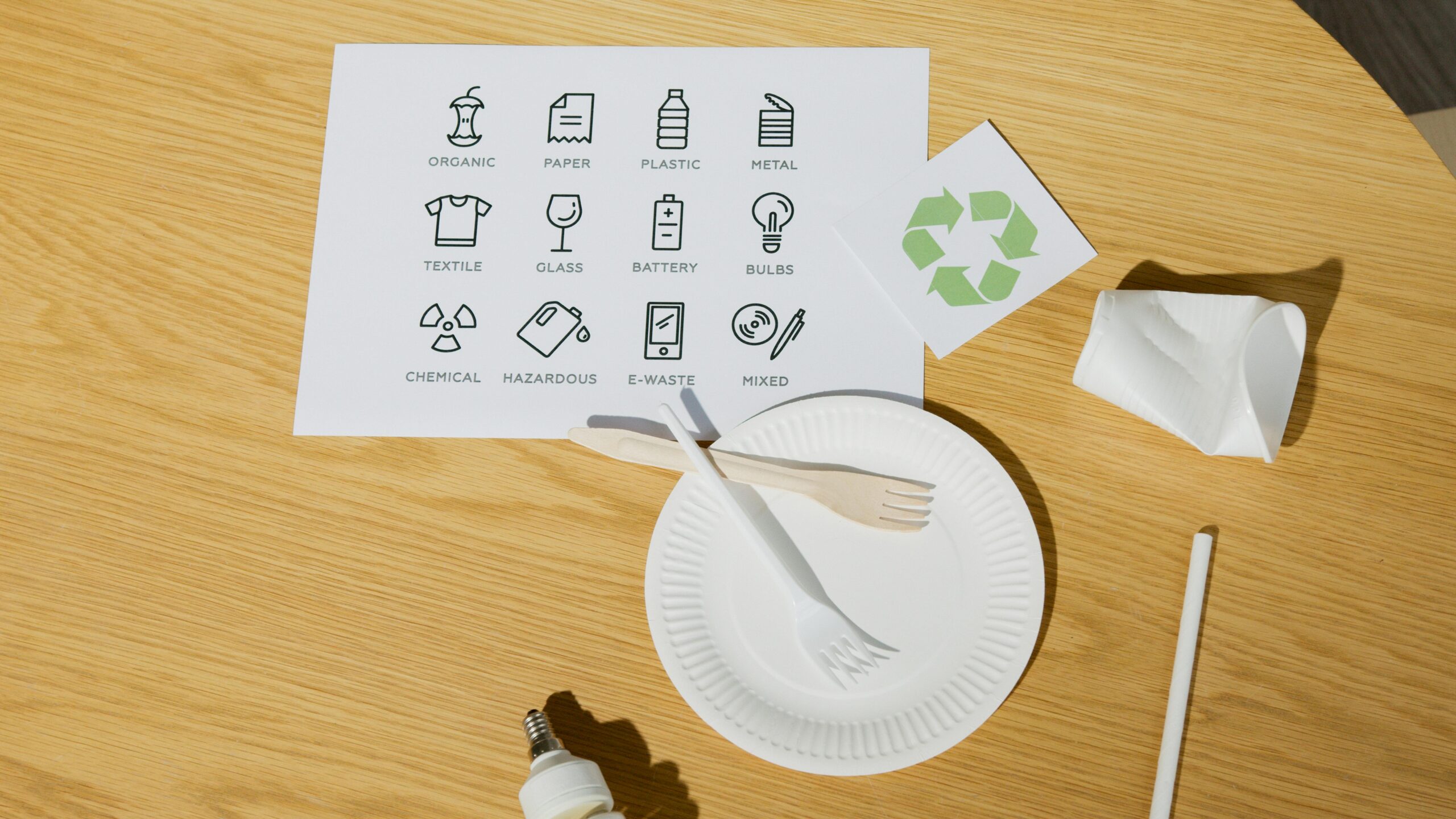
The planet is calling for urgent action, and the materials industry is responding with revolutionary carbon-neutral polymers and bioplastics that promise to reshape our sustainable future.

🌍 The Plastic Crisis and the Birth of Green Innovation
Every year, approximately 400 million tons of plastic are produced globally, with only 9% being recycled. This staggering statistic has triggered a worldwide awakening, pushing scientists, engineers, and entrepreneurs to develop alternatives that don’t compromise our planet’s health. Traditional petroleum-based plastics take hundreds of years to decompose, releasing harmful microplastics into our oceans and ecosystems. The urgency for change has never been more apparent.
Green innovation in the polymer industry represents more than just an environmental trend—it’s a fundamental shift in how we conceptualize materials science. Carbon-neutral polymers and bioplastics emerge as frontrunners in this transformation, offering the functionality of conventional plastics while dramatically reducing environmental impact. These materials are derived from renewable sources, designed for biodegradability, and manufactured through processes that minimize carbon emissions.
The journey toward sustainable polymers has accelerated dramatically over the past decade. Major corporations, from packaging giants to automotive manufacturers, are investing billions in research and development. Governments worldwide are implementing stricter regulations on single-use plastics, creating both pressure and opportunity for innovation. This perfect storm of environmental necessity, technological advancement, and economic incentive is driving an unprecedented revolution in materials science.
Understanding Carbon-Neutral Polymers: Science Meets Sustainability
Carbon-neutral polymers represent a sophisticated approach to material production where the carbon dioxide released during manufacturing and decomposition is balanced by the CO2 absorbed during the production of raw materials. This closed-loop carbon cycle distinguishes these materials from traditional plastics that continuously add fossil carbon to the atmosphere.
The chemistry behind these polymers is fascinating. Many carbon-neutral polymers are derived from plant-based feedstocks like corn starch, sugarcane, or cellulose. During their growth, these plants naturally absorb atmospheric carbon dioxide through photosynthesis. When converted into polymers, this captured carbon remains sequestered within the material. Upon disposal, whether through composting or controlled decomposition, the carbon returns to the atmosphere—completing the cycle without net carbon addition.
Types of Carbon-Neutral Polymers
Several categories of carbon-neutral polymers have gained prominence in industrial applications:
- Polylactic Acid (PLA): Derived from fermented plant sugars, PLA offers excellent transparency and is widely used in packaging, textiles, and 3D printing filaments
- Polyhydroxyalkanoates (PHAs): Produced by bacterial fermentation, these polymers are fully biodegradable in various environments including marine ecosystems
- Bio-based Polyethylene (Bio-PE): Chemically identical to conventional polyethylene but sourced from ethanol derived from sugarcane
- Cellulose-based Polymers: Extracted from wood pulp or agricultural waste, offering high strength and versatility
Each polymer type brings unique properties and applications, allowing manufacturers to select materials that match their specific performance requirements while maintaining environmental commitments. The diversity of carbon-neutral polymers ensures that virtually every traditional plastic application has a sustainable alternative in development or already available.
🌱 Bioplastics: Nature’s Answer to Pollution
Bioplastics represent a broader category that includes both bio-based and biodegradable plastics. While all carbon-neutral polymers fall under the bioplastics umbrella, not all bioplastics are carbon-neutral. Understanding this distinction is crucial for making informed decisions about sustainable materials.
Bio-based plastics are derived from renewable biomass sources rather than petroleum. However, being bio-based doesn’t automatically mean a plastic is biodegradable. Conversely, some biodegradable plastics are still petroleum-based but engineered to break down more rapidly. The most environmentally beneficial bioplastics combine both characteristics—they’re derived from renewable sources and designed to biodegrade safely.
The Biodegradation Process Explained
True biodegradation involves microorganisms breaking down polymer chains into natural substances like water, carbon dioxide, and biomass. This process differs dramatically from the fragmentation of conventional plastics into persistent microplastics. For a material to be certified as biodegradable, it must decompose within a specific timeframe under defined conditions.
Industrial composting facilities provide optimal conditions—controlled temperature, humidity, and microbial populations—allowing many bioplastics to decompose within 90 to 180 days. Some advanced bioplastics can even biodegrade in home compost systems or natural environments like soil and marine settings, though timeframes vary significantly based on environmental conditions.
Manufacturing Revolution: How Green Polymers Are Made
The production of carbon-neutral polymers and bioplastics involves innovative manufacturing processes that dramatically reduce environmental impact compared to traditional polymer production. These methods often consume less energy, generate fewer greenhouse gases, and utilize waste products as valuable feedstocks.
Fermentation technology plays a central role in many bioplastic production processes. Microorganisms are fed renewable feedstocks like agricultural residues or food waste, converting these materials into polymer precursors through natural metabolic processes. This biotechnological approach mimics nature’s own material production systems, resulting in polymers that integrate seamlessly into biological cycles.
Feedstock Innovation: Beyond Food Crops
Early bioplastics faced criticism for competing with food production, utilizing crops like corn and sugarcane that could otherwise feed populations. The industry has responded with second and third-generation feedstocks that eliminate this ethical dilemma:
- Agricultural Waste: Corn stalks, wheat straw, and rice husks that would otherwise be burned or discarded
- Algae: Fast-growing aquatic organisms that require no arable land and can be cultivated in saltwater
- Food Waste: Post-consumer organic waste diverted from landfills and converted into valuable polymer feedstocks
- Carbon Capture: Emerging technologies that directly convert captured CO2 into polymer building blocks
These innovative feedstock sources transform waste streams into valuable resources, embodying circular economy principles while ensuring bioplastic production doesn’t compromise food security. The shift toward waste-based feedstocks also improves the overall carbon footprint, as these materials would otherwise decompose and release greenhouse gases without providing value.
Real-World Applications Transforming Industries
Carbon-neutral polymers and bioplastics have moved far beyond experimental laboratories into mainstream commercial applications across virtually every industry. Their versatility and improving performance characteristics make them viable alternatives to conventional plastics in increasingly demanding applications.
Packaging: The Frontline of Change
The packaging industry represents the largest consumer of plastics globally, making it both the biggest challenge and the greatest opportunity for sustainable alternatives. Brands ranging from small startups to multinational corporations are transitioning to bioplastic packaging solutions:
Food packaging made from PLA and PHA offers excellent barrier properties, maintaining freshness while remaining compostable. Major retailers now stock products in containers that can be disposed of alongside food waste. Flexible packaging films made from cellulose-based polymers provide the same functionality as petroleum-based alternatives while decomposing harmlessly.
E-commerce companies face particular pressure to adopt sustainable packaging as online shopping volumes surge. Bioplastic mailers, protective cushioning, and tape offer complete packaging solutions that reduce carbon footprints and appeal to environmentally conscious consumers who increasingly factor sustainability into purchasing decisions.
🚗 Automotive and Transportation
The automotive industry is incorporating bioplastics into vehicle interiors, exterior panels, and under-hood components. These materials reduce vehicle weight, improving fuel efficiency while meeting stringent safety and durability requirements. European manufacturers have led this transition, with some vehicles now containing over 30 kilograms of bio-based materials.
Aviation companies are exploring carbon-neutral polymers for cabin interiors, reducing aircraft weight and therefore fuel consumption. The maritime industry is adopting bioplastics for applications ranging from fishing nets that safely biodegrade if lost at sea to interior components for passenger vessels.
Textiles and Fashion
The fashion industry, notorious for environmental impact, is embracing bioplastic-based synthetic fibers. These materials offer the performance characteristics of polyester or nylon while being derived from renewable sources and designed for circular recycling systems. Athletic wear brands are producing high-performance garments from PLA fibers that wick moisture and provide durability comparable to petroleum-based alternatives.
Economic Viability: Breaking Down the Cost Barrier
Historically, cost has been the primary barrier preventing widespread bioplastic adoption. Carbon-neutral polymers typically cost 20-50% more than conventional plastics, creating hesitation among manufacturers operating on thin margins. However, this economic gap is rapidly narrowing through technological advancement and scaling production.
As production volumes increase, manufacturing costs decrease through economies of scale. Facilities dedicated to bioplastic production are becoming larger and more efficient, leveraging automation and process optimization. Additionally, as petroleum prices fluctuate and carbon taxes become more prevalent, the relative cost advantage of conventional plastics diminishes.
Forward-thinking companies recognize that sustainability investments today protect against future regulatory costs and reputational risks. Consumer demand for sustainable products allows many brands to command premium pricing, offsetting higher material costs. This market dynamic is creating a virtuous cycle where consumer preference drives volume, which reduces costs, which increases adoption, which further normalizes sustainable choices.
⚡ Challenges and Limitations: The Honest Assessment
Despite tremendous promise, carbon-neutral polymers and bioplastics face legitimate challenges that require continued innovation and systemic change to overcome. Acknowledging these limitations is essential for developing realistic strategies and avoiding greenwashing.
Performance Gaps
Some bioplastics still cannot match the performance characteristics of conventional plastics in demanding applications. Heat resistance, barrier properties, and mechanical strength can be inferior, limiting applications in certain industries. Ongoing research addresses these gaps, but some applications may require conventional plastics for the foreseeable future until breakthroughs occur.
Infrastructure Requirements
Many bioplastics require industrial composting facilities to biodegrade properly, yet such infrastructure remains limited in many regions. Consumers often lack clear guidance on proper disposal, leading to bioplastics contaminating recycling streams or ending up in landfills where they cannot decompose effectively. Building the necessary waste management infrastructure represents a significant investment that must accompany material innovation.
Certification and Standards
The bioplastics landscape suffers from confusing terminology and varying standards across regions. Terms like “biodegradable,” “compostable,” and “bio-based” have specific technical meanings that differ from consumer understanding. Establishing clear, globally recognized certification systems would help consumers and businesses make informed decisions while preventing misleading environmental claims.
Policy Frameworks Driving Adoption
Government policies play crucial roles in accelerating the transition to sustainable polymers. The European Union has implemented comprehensive single-use plastics directives, banning certain petroleum-based items and mandating recycled content levels. These regulations create guaranteed markets for alternative materials, providing the business certainty necessary for large-scale investments.
Tax incentives and subsidies for bioplastic production help level the economic playing field during this transitional period. Research grants accelerate innovation, while public procurement policies that favor sustainable materials create immediate demand. Extended producer responsibility schemes place disposal costs on manufacturers, incentivizing design choices that facilitate end-of-life management.
Several countries have implemented plastic bag taxes or outright bans, driving consumers toward reusable alternatives and creating opportunities for bioplastic bags in situations where single-use remains necessary. These policy interventions demonstrate that regulatory frameworks can effectively shift markets while giving industry time to adapt and innovate.
🔬 The Innovation Pipeline: What’s Coming Next
The future of carbon-neutral polymers and bioplastics looks exceptionally promising, with breakthrough technologies in development that could solve current limitations and open entirely new application possibilities.
Self-Healing Polymers
Researchers are developing bioplastics with self-healing properties inspired by biological systems. These materials can automatically repair minor damage, extending product lifespans and reducing waste. Applications in automotive coatings, consumer electronics, and infrastructure could dramatically reduce replacement frequency.
Smart Degradation
Next-generation bioplastics may incorporate programmable degradation triggers that activate only under specific conditions. Packaging could remain stable throughout distribution and use, then rapidly biodegrade once exposed to composting environments. This controlled degradation would prevent premature breakdown while ensuring proper end-of-life disposal.
Carbon-Negative Materials
The ultimate sustainability goal involves materials that actually remove more carbon from the atmosphere than their lifecycle emissions produce. Technologies combining carbon capture, renewable energy-powered manufacturing, and long-lasting applications could achieve net carbon removal, transforming materials from environmental liabilities into climate solutions.
Taking Action: How Individuals and Organizations Can Contribute
The transition to carbon-neutral polymers and bioplastics requires participation across the entire value chain, from researchers and manufacturers to retailers and consumers. Every stakeholder has meaningful roles to play in accelerating this essential transformation.
Consumers can prioritize products packaged in certified bioplastics, supporting brands that invest in sustainability. Learning proper disposal methods ensures these materials reach appropriate waste streams where they can biodegrade or be recycled effectively. Advocacy for improved waste infrastructure through local government engagement helps build the systems necessary for sustainable materials to fulfill their potential.
Businesses should conduct lifecycle assessments of current packaging and products, identifying opportunities to transition to sustainable alternatives. Collaboration with suppliers and customers creates aligned incentives throughout supply chains. Transparent communication about sustainability efforts, including both successes and challenges, builds consumer trust and industry knowledge sharing.
Researchers and innovators continue pushing boundaries through fundamental science and applied engineering. Cross-disciplinary collaboration between materials scientists, biologists, chemical engineers, and designers yields breakthrough solutions that single disciplines cannot achieve alone.

🌟 Building a Circular Economy Through Material Innovation
Carbon-neutral polymers and bioplastics represent essential components of the broader circular economy vision where materials flow in closed loops rather than linear paths from extraction to disposal. This systems-level transformation requires reimagining not just materials themselves but entire product design philosophies and business models.
Design for disassembly ensures products can be easily separated into component materials at end-of-life, facilitating recovery and reprocessing. Modular construction allows worn components to be replaced while retaining functional elements, extending overall product lifespans. These design principles, combined with sustainable materials, create truly circular systems.
Product-as-a-service models shift focus from ownership to access, incentivizing manufacturers to create durable, maintainable products rather than disposable items. When companies retain ownership and responsibility for products throughout their lifecycles, they naturally optimize for longevity and recyclability. Bioplastics complement these models by providing sustainable materials when replacement eventually becomes necessary.
The convergence of material innovation, design thinking, business model evolution, and policy support creates unprecedented opportunities for systemic change. Carbon-neutral polymers and bioplastics are not merely substitutes for conventional plastics—they’re catalysts for fundamentally rethinking our relationship with materials and waste.
As technology advances and costs decline, these sustainable alternatives will transition from niche specialty products to mainstream defaults. The plastic revolution of the 20th century brought unprecedented convenience but unsustainable environmental costs. The green innovation revolution of the 21st century promises to retain that convenience while restoring balance with our planet’s ecological systems. Through continued research, investment, policy support, and consumer engagement, carbon-neutral polymers and bioplastics will play central roles in building the sustainable future our world urgently needs.