In today’s fast-paced business landscape, organizations are discovering that the marriage of lean methodology and clean practices creates a powerful framework for sustainable growth and operational excellence.

🌱 Understanding the Lean + Clean Philosophy
The integration of lean principles with environmental sustainability represents more than just a business trend—it’s a fundamental shift in how modern organizations operate. Lean practices focus on eliminating waste, optimizing processes, and maximizing value delivery. When combined with clean practices that prioritize environmental stewardship and resource conservation, businesses create a synergistic approach that benefits both their bottom line and the planet.
This dual approach recognizes that efficiency and sustainability are not competing interests but complementary objectives. Companies implementing lean + clean strategies often discover that reducing material waste simultaneously cuts costs and environmental impact. Similarly, energy-efficient processes lower operating expenses while decreasing carbon footprints.
The Historical Evolution of Lean Thinking
Lean methodology originated in Japanese manufacturing, particularly within Toyota’s production system. The core philosophy centered on continuous improvement (kaizen) and respect for people. Early lean practitioners identified seven types of waste: overproduction, waiting, transportation, inappropriate processing, unnecessary inventory, unnecessary motion, and defects.
As environmental awareness grew throughout the late 20th and early 21st centuries, forward-thinking organizations began recognizing an eighth waste: underutilized resources and environmental degradation. This evolution naturally led to the integration of clean practices into traditional lean frameworks, creating a more holistic approach to operational excellence.
💡 Core Principles of Lean + Clean Integration
Value Stream Mapping with Environmental Metrics
Traditional value stream mapping visualizes the flow of materials and information required to deliver products or services. The lean + clean approach expands this tool to include environmental impact at each stage. Organizations track not only time and cost but also energy consumption, emissions, water usage, and waste generation throughout their processes.
This comprehensive mapping reveals opportunities where process improvements can simultaneously enhance efficiency and reduce environmental impact. For example, eliminating unnecessary transportation steps reduces both lead time and carbon emissions from logistics operations.
Just-in-Time Production Meets Resource Conservation
Just-in-time (JIT) production minimizes inventory by producing only what’s needed when it’s needed. This lean principle naturally aligns with clean practices by reducing resource consumption tied to excess inventory storage, including energy for climate control, space utilization, and the risk of obsolescence leading to waste.
Companies applying lean + clean thinking extend JIT principles to encompass sustainable sourcing, ensuring materials arrive as needed while prioritizing suppliers with strong environmental credentials. This approach creates supply chains that are both efficient and environmentally responsible.
🔄 Implementing Circular Economy Principles
The circular economy concept represents the ultimate expression of lean + clean thinking. Rather than the traditional linear “take-make-dispose” model, circular approaches design out waste and pollution, keep products and materials in use, and regenerate natural systems.
Organizations embracing this model redesign products for durability, repairability, and eventual recycling or composting. Manufacturing processes incorporate closed-loop systems where waste outputs become inputs for other processes. This approach eliminates the concept of “waste” entirely, transforming it into valuable resources.
Design for Sustainability and Efficiency
Product design plays a crucial role in lean + clean success. Design for manufacturability (DFM) principles reduce production complexity and costs. When combined with design for environment (DfE) principles, products become easier to manufacture while using fewer resources, less energy, and generating minimal waste.
This integrated design approach considers the entire product lifecycle, from raw material extraction through end-of-life disposal or recycling. Products optimized for both lean and clean principles often feature modular designs enabling easy repair, upgrades using fewer components, and straightforward disassembly for recycling.
📊 Measuring Success in Lean + Clean Operations
Effective implementation requires robust metrics that capture both efficiency gains and environmental improvements. Organizations should track key performance indicators across multiple dimensions:
- Operational Efficiency: Cycle time reduction, throughput improvement, defect rates, and overall equipment effectiveness
- Cost Performance: Cost per unit, inventory carrying costs, energy expenses, and waste disposal fees
- Environmental Impact: Carbon footprint, water consumption, waste generation, recycling rates, and renewable energy usage
- Resource Productivity: Material utilization rates, energy efficiency, and yield improvements
- Sustainability Indicators: Percentage of renewable materials, product recyclability, and supply chain environmental performance
Creating Balanced Scorecards
Balanced scorecards integrate financial, customer, internal process, and learning perspectives. Lean + clean organizations add environmental sustainability as a fifth perspective, ensuring that ecological considerations receive equal weight in strategic decision-making. This comprehensive approach prevents suboptimization where improvements in one area create problems in another.
🏭 Industry Applications and Success Stories
Manufacturing Excellence
Manufacturing sectors have pioneered lean + clean integration with remarkable results. Automotive manufacturers have reduced water consumption per vehicle by over 50% while simultaneously improving production efficiency. Electronics companies have eliminated hazardous materials from products while streamlining assembly processes. These improvements demonstrate that environmental responsibility and operational excellence reinforce each other.
Service Sector Innovation
While lean thinking originated in manufacturing, service industries increasingly apply lean + clean principles. Healthcare organizations reduce medical waste while improving patient flow and outcomes. Financial institutions digitize processes, eliminating paper waste while accelerating transaction times. Hospitality companies implement energy management systems that reduce costs while enhancing guest experiences through improved climate control and lighting.
Technology and Software Development
The technology sector applies lean + clean thinking through green computing initiatives. Data centers optimize cooling systems and server utilization, dramatically reducing energy consumption. Software development teams adopt lean methodologies that minimize code complexity and resource requirements, creating applications that run efficiently on less powerful hardware, extending device lifecycles and reducing electronic waste.
⚙️ Tools and Techniques for Implementation
5S Plus Sustainability
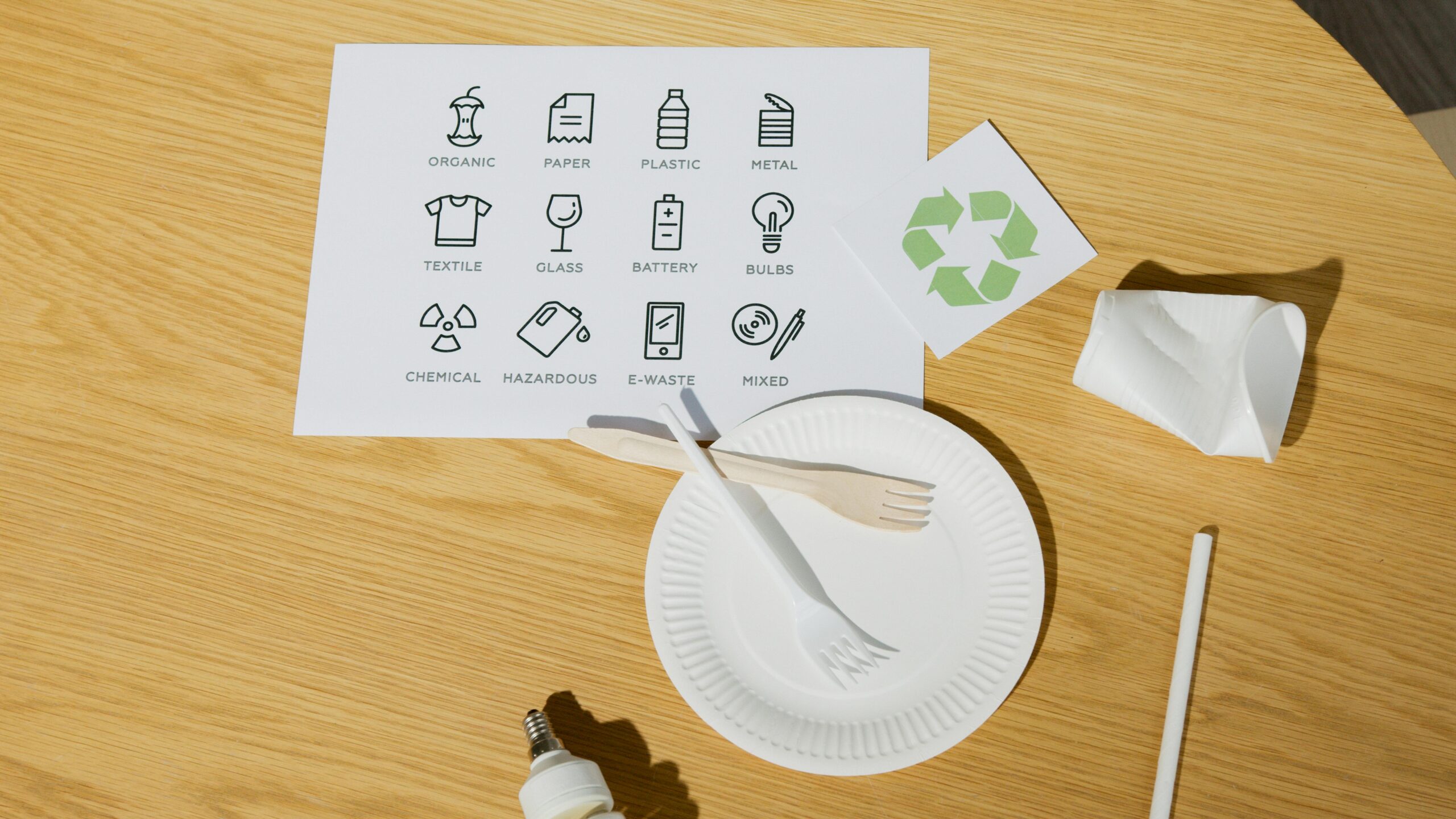
The 5S methodology (Sort, Set in Order, Shine, Standardize, Sustain) creates organized, efficient workspaces. Lean + clean practitioners add a sixth S: Sustainability. This extension ensures that workplace organization considers environmental impact, including proper waste segregation, energy-efficient lighting and equipment placement, and elimination of environmentally harmful materials.
Kaizen Events with Environmental Focus
Kaizen events bring together cross-functional teams to rapidly improve specific processes. Lean + clean kaizen events explicitly include environmental objectives alongside traditional efficiency goals. Teams might simultaneously reduce changeover times and chemical usage, or improve material flow while implementing recycling systems.
Root Cause Analysis for Waste Elimination
Root cause analysis tools like the “5 Whys” and fishbone diagrams help identify underlying problems. In lean + clean applications, these tools investigate both operational inefficiencies and environmental impacts. Teams discover that many root causes contribute to both types of waste, enabling solutions that address multiple problems simultaneously.
🌍 Building Sustainable Supply Chains
Supply chains represent significant opportunities for lean + clean improvements. Organizations increasingly recognize that their environmental footprint extends far beyond their own operations to encompass suppliers, logistics providers, and distribution networks.
Lean supply chain principles emphasize visibility, collaboration, and waste elimination throughout the value stream. Adding clean practices means evaluating suppliers based on environmental performance, optimizing transportation routes to reduce emissions, and implementing reverse logistics for product returns and recycling.
Supplier Partnership and Development
Rather than simply demanding compliance with environmental standards, leading organizations work collaboratively with suppliers to improve both efficiency and sustainability. These partnerships share knowledge, resources, and best practices, creating supply networks where continuous improvement benefits all participants.
💼 Overcoming Implementation Challenges
Despite clear benefits, organizations face obstacles when implementing lean + clean practices. Initial investments in new equipment or process redesign can be substantial. Cultural resistance may emerge from employees comfortable with existing methods. Measuring and reporting on expanded metrics requires new systems and capabilities.
Securing Leadership Commitment
Success requires visible, sustained leadership support. Executives must champion the initiative, allocate necessary resources, and demonstrate personal commitment to both efficiency and sustainability. This leadership creates organizational alignment and signals that lean + clean principles are core to the business strategy, not peripheral initiatives.
Building Employee Engagement
Frontline employees often generate the most valuable improvement ideas because they directly experience process inefficiencies and waste. Organizations should create suggestion systems, recognize contributions, and provide training that empowers employees to identify and implement lean + clean improvements. This engagement transforms abstract concepts into practical daily actions.
🚀 Future Trends and Emerging Opportunities
The convergence of lean and clean practices continues evolving with technological advancement and increasing environmental urgency. Artificial intelligence and machine learning enable real-time optimization of both efficiency and environmental performance. Internet of Things sensors provide unprecedented visibility into resource consumption and waste generation. Blockchain technology creates transparent, verifiable supply chains that document sustainability credentials.
Industry 4.0 and Smart Manufacturing
Smart manufacturing technologies integrate physical and digital systems, enabling adaptive production that responds dynamically to changing conditions. These systems optimize resource utilization, minimize waste, and reduce energy consumption automatically. Predictive maintenance prevents equipment failures while extending asset lifecycles, embodying lean + clean principles through technology.
Regenerative Business Models
Beyond minimizing harm, cutting-edge organizations pursue regenerative approaches that actively restore environmental systems. These models go beyond sustainability to create net positive impacts. Companies plant forests that sequester more carbon than operations emit, implement water treatment systems that return cleaner water to ecosystems, and develop products that improve soil health or biodiversity.
📈 The Business Case for Lean + Clean
Financial benefits provide compelling justification for lean + clean investments. Cost reductions from waste elimination, energy efficiency, and resource optimization directly improve profitability. Many organizations report payback periods of less than two years for lean + clean initiatives, with ongoing savings continuing indefinitely.
Beyond direct cost savings, lean + clean practices create competitive advantages. Consumers increasingly prefer environmentally responsible brands. Investors incorporate environmental, social, and governance (ESG) factors into decisions, potentially lowering capital costs for sustainable companies. Regulations increasingly favor or require environmentally responsible operations. Talent attraction benefits as employees, especially younger generations, prefer working for organizations with strong sustainability commitments.
🎯 Strategic Integration and Long-Term Vision
Sustainable success requires integrating lean + clean principles into organizational DNA rather than treating them as separate programs. This integration begins with mission and vision statements that explicitly embrace both efficiency and environmental responsibility. Strategic planning processes should evaluate all decisions through both lenses, ensuring that neither objective sacrifices the other.
Organizations should develop multi-year roadmaps that progressively advance lean + clean maturity. Early stages might focus on quick wins that build momentum and demonstrate value. Intermediate stages tackle more complex systemic changes. Advanced stages pursue transformational innovations that fundamentally reimagine products, processes, and business models.
🌟 Creating Lasting Impact Through Continuous Improvement
The journey toward lean + clean excellence never truly ends. Markets evolve, technologies advance, and environmental challenges intensify. Organizations must maintain relentless focus on continuous improvement, constantly seeking new opportunities to enhance both efficiency and sustainability.
This ongoing commitment creates virtuous cycles where each improvement enables further progress. Enhanced efficiency frees resources for sustainability investments. Improved environmental performance reduces regulatory risks and opens new market opportunities. The combination builds organizational resilience and positions companies for long-term success in an increasingly resource-constrained world.
The power of lean + clean practices lies not in choosing between efficiency and sustainability but in recognizing them as mutually reinforcing paths toward operational excellence. Organizations embracing this integrated approach discover that eliminating waste, optimizing processes, and respecting environmental limits creates stronger, more resilient, and ultimately more successful businesses. As competitive pressures intensify and environmental imperatives grow more urgent, lean + clean thinking transitions from optional best practice to essential business strategy.