
Digital twin technology is revolutionizing manufacturing by creating virtual replicas of physical machining processes, enabling unprecedented precision and efficiency in production environments worldwide.

🔧 Understanding Digital Twins in Modern Manufacturing
The manufacturing landscape has undergone a dramatic transformation in recent years, with digital twins emerging as one of the most powerful technologies for achieving exceptional machining precision. A digital twin is essentially a virtual representation of a physical asset, process, or system that mirrors its real-world counterpart in real-time. In machining operations, this technology creates a dynamic digital model that continuously receives data from sensors embedded in physical equipment, allowing manufacturers to monitor, analyze, and optimize their processes with remarkable accuracy.
Traditional machining approaches relied heavily on operator experience and periodic quality checks, often discovering errors only after parts were produced. Digital twins fundamentally change this paradigm by enabling predictive analysis and real-time adjustments before physical machining even begins. This proactive approach minimizes waste, reduces downtime, and ensures that each component meets exact specifications from the first cut.
The Core Components of Digital Twin Technology
To understand how digital twins boost machining precision, it’s essential to recognize the key components that make this technology function effectively. The architecture consists of several interconnected layers that work together seamlessly.
Physical Asset Layer
This foundation includes the actual machining equipment—CNC machines, lathes, milling centers, and grinding equipment. These physical assets are equipped with an array of sensors that capture critical data points including temperature, vibration, spindle speed, tool wear, cutting forces, and dimensional accuracy. Modern IoT sensors have become incredibly sophisticated, capable of capturing thousands of data points per second without interfering with machining operations.
Data Integration Layer
Raw sensor data alone provides limited value without proper processing and integration. The data integration layer aggregates information from multiple sources, including machine controllers, quality inspection systems, environmental monitors, and material tracking systems. This consolidated data stream creates a comprehensive picture of the entire machining environment, enabling more accurate virtual modeling.
Virtual Model Layer
The digital twin itself resides in this layer—a sophisticated computer model that replicates the physical machining system’s behavior, constraints, and capabilities. Advanced simulation software uses physics-based modeling, machine learning algorithms, and historical performance data to create a virtual environment that responds to inputs exactly as the real equipment would.
Analytics and Intelligence Layer
Artificial intelligence and machine learning algorithms process the continuous data flow, identifying patterns, detecting anomalies, and generating insights that would be impossible for human operators to recognize manually. This layer transforms raw data into actionable intelligence that drives precision improvements.
🎯 How Digital Twins Enhance Machining Accuracy
The practical applications of digital twin technology directly translate into measurable improvements in machining precision across multiple dimensions of the manufacturing process.
Predictive Tool Wear Management
Tool wear represents one of the most significant factors affecting machining accuracy. As cutting tools degrade, dimensional accuracy suffers, surface finish deteriorates, and the risk of catastrophic tool failure increases. Digital twins continuously monitor tool condition through vibration analysis, cutting force measurements, and acoustic emission patterns. By analyzing these parameters against historical wear patterns, the system accurately predicts when tool replacement or adjustment is necessary—often before any quality degradation occurs.
Manufacturers implementing digital twin-based tool management have reported accuracy improvements of 15-30% compared to traditional time-based or cycle-count replacement strategies. More importantly, they’ve virtually eliminated scrapped parts due to unexpected tool failure during critical machining operations.
Thermal Compensation and Stability
Temperature variations cause machine components to expand and contract, introducing positioning errors that can measure in microns or even tenths of microns—significant deviations when tolerances are tight. Digital twins model thermal behavior across the entire machine structure, predicting how temperature changes affect positioning accuracy. This enables real-time compensation adjustments that maintain precision even as thermal conditions fluctuate throughout production shifts.
Advanced systems incorporate ambient temperature, coolant temperature, spindle heat, and even seasonal variations into their thermal models. The result is consistent dimensional accuracy regardless of environmental conditions, eliminating the “warm-up period” traditionally required for high-precision machining.
Process Parameter Optimization
Finding optimal machining parameters—cutting speed, feed rate, depth of cut, coolant flow—has traditionally involved extensive trial-and-error experimentation. Digital twins accelerate this process dramatically by simulating thousands of parameter combinations virtually before any physical machining occurs. The system identifies parameter sets that maximize accuracy while optimizing cycle time and tool life.
This capability proves especially valuable when machining new materials or complex geometries where established best practices may not exist. Manufacturers can achieve optimal results on the first production run rather than sacrificing multiple parts during parameter development.
Real-Time Quality Prediction and Control
Traditional quality control involves inspecting finished parts after machining is complete—an approach that wastes time and material when defects are discovered. Digital twins enable a fundamentally different approach by predicting quality outcomes during the machining process itself.
By comparing real-time sensor data against the virtual model’s predictions, the system detects deviations that indicate emerging quality issues. When the physical process diverges from the expected digital behavior, the system can automatically adjust parameters, alert operators, or even pause machining to prevent defect production.
This predictive quality control approach has enabled manufacturers to reduce scrap rates by 40-60% while simultaneously decreasing inspection requirements. Parts that the digital twin confirms were produced within expected parameters require minimal verification, allowing inspection resources to focus on outliers or first-article verification.
🚀 Implementation Strategies for Maximum Impact
Successfully deploying digital twin technology for machining precision requires careful planning and a structured implementation approach. Organizations that achieve the greatest benefits follow several best practices.
Start with High-Value Operations
Rather than attempting to digitize an entire facility simultaneously, successful implementations begin with operations where precision has the greatest impact. This might include bottleneck processes, operations producing high-value components, or machining tasks with historically high scrap rates. Demonstrating value in these critical areas builds organizational support for broader deployment.
Ensure Robust Data Infrastructure
Digital twins require reliable, high-bandwidth data connections between physical equipment and computing systems. Before implementation, assess and upgrade network infrastructure as needed. Edge computing devices positioned near machines can perform initial data processing, reducing bandwidth requirements while enabling faster response times for real-time control applications.
Integrate with Existing Systems
Digital twins deliver maximum value when integrated with existing enterprise systems including ERP, MES, and CAD/CAM platforms. This integration enables seamless information flow from design through production to quality verification, creating a truly connected manufacturing environment. Modern digital twin platforms offer APIs and standard protocols that facilitate integration with most common manufacturing software systems.
Develop Internal Expertise
While technology vendors provide essential implementation support, long-term success requires building internal expertise. Training programs should develop skills in data analysis, digital modeling, and system configuration. Cross-functional teams combining machining expertise with data science capabilities are particularly effective at extracting maximum value from digital twin deployments.
📊 Measuring the Precision Improvement Impact
Quantifying the accuracy improvements delivered by digital twins provides essential justification for investment and guides continuous improvement efforts. Several key metrics reveal the technology’s impact on machining precision.
| Metric | Traditional Approach | Digital Twin-Enabled | Improvement |
|---|---|---|---|
| First-Pass Yield | 85-90% | 96-99% | +7-14% |
| Process Capability (Cpk) | 1.33-1.67 | 2.0-2.5 | +50-80% |
| Dimensional Variation | ±5-10 microns | ±1-3 microns | -70-80% |
| Scrap Rate | 3-7% | 0.5-2% | -70-85% |
| Unplanned Downtime | 8-12% | 2-4% | -65-75% |
These improvements translate directly into financial benefits including reduced material waste, lower rework costs, decreased inspection requirements, and improved customer satisfaction through consistent quality delivery.
Overcoming Implementation Challenges
Despite its transformative potential, digital twin implementation faces several common challenges that organizations must address proactively.
Data Quality and Sensor Reliability
Digital twins are only as accurate as the data they receive. Sensor calibration, maintenance, and validation protocols ensure data quality remains high. Implementing redundant sensors for critical measurements and establishing automated data validation routines helps identify and address sensor issues before they compromise model accuracy.
Model Accuracy and Validation
Creating a digital twin that accurately represents physical behavior requires extensive validation. Initial models should be tested against known machining scenarios with well-documented outcomes. Continuous model refinement based on ongoing production data ensures the virtual representation remains aligned with physical reality as equipment ages and operating conditions evolve.
Organizational Change Management
Introducing digital twins changes how operators, engineers, and managers interact with machining processes. Some team members may resist technology-driven approaches or feel threatened by automation. Addressing these concerns through transparent communication, comprehensive training, and demonstrating how digital twins enhance rather than replace human expertise is essential for successful adoption.
🌐 Future Developments in Digital Twin Technology
The digital twin ecosystem continues evolving rapidly, with several emerging capabilities poised to further enhance machining precision in coming years.
Autonomous Process Adjustment
Current digital twin systems primarily provide recommendations that human operators implement. Next-generation systems will feature autonomous closed-loop control, automatically adjusting machining parameters in real-time to maintain optimal precision without human intervention. These systems will respond to variations faster than humanly possible, maintaining consistent accuracy even as conditions change.
Collaborative Digital Twins
Future implementations will link digital twins across multiple machines, work centers, and even entire supply chains. These collaborative networks will optimize precision not just at individual machines but across entire production workflows, identifying how upstream process variations affect downstream accuracy and automatically compensating throughout the value chain.
AI-Driven Continuous Learning
Machine learning algorithms will enable digital twins to continuously improve their predictive accuracy by learning from every production cycle. These self-improving systems will automatically identify subtle patterns that affect precision, updating their models without human programming. Over time, each digital twin will develop unique expertise optimized for its specific equipment and operating environment.
Industry-Specific Applications Driving Precision
Different manufacturing sectors leverage digital twins to address their unique precision requirements, demonstrating the technology’s versatility across diverse applications.
Aerospace Component Manufacturing
Aerospace parts demand extreme precision with tolerances often measured in single-digit microns. Digital twins enable manufacturers to achieve these exacting standards consistently while maintaining comprehensive documentation required by aerospace quality systems. Virtual validation of machining processes before physical production also reduces the time and cost associated with first-article inspection requirements.
Medical Device Production
Medical implants and surgical instruments require biocompatible surface finishes and precise dimensions for proper function and patient safety. Digital twins help medical device manufacturers maintain the stringent quality standards required by regulatory bodies while optimizing production efficiency. The technology’s comprehensive documentation capabilities also simplify compliance auditing and traceability requirements.
Automotive Powertrain Machining
Engine blocks, transmission cases, and other powertrain components combine complex geometries with demanding accuracy requirements. Digital twins optimize the multi-step machining processes required for these components, ensuring that dimensional accuracy is maintained through numerous operations and tool changes. This capability is particularly valuable as automotive manufacturers transition to electric powertrains requiring new components with unfamiliar machining characteristics.
💡 Making the Business Case for Digital Twins
Justifying digital twin investment requires demonstrating clear return on investment through improved machining precision. Successful business cases typically emphasize several value drivers.
- Reduced Scrap and Rework Costs: Quantify current waste expenses and project reductions based on improved first-pass yield rates documented in similar implementations.
- Decreased Inspection Requirements: Calculate labor and equipment costs associated with current inspection protocols and estimate reductions enabled by predictive quality confirmation.
- Improved Equipment Utilization: Document how predictive maintenance and optimized parameters increase productive machining time by reducing unplanned downtime and setup adjustments.
- Enhanced Customer Satisfaction: Assign value to improved on-time delivery, reduced warranty claims, and stronger customer relationships resulting from consistent quality performance.
- Competitive Differentiation: Consider how enhanced precision capabilities enable pursuit of higher-value work or entry into new markets with more demanding requirements.
Most manufacturers implementing comprehensive digital twin systems report ROI achievement within 12-24 months, with ongoing benefits accumulating as the technology matures and expands across additional operations.
Creating a Roadmap for Precision Excellence
Organizations committed to leveraging digital twins for superior machining precision benefit from developing a structured implementation roadmap. This strategic approach ensures systematic capability development while delivering incremental value throughout the journey.
The initial phase focuses on foundational elements including sensor deployment, data infrastructure establishment, and baseline performance documentation. This groundwork enables accurate comparison of post-implementation improvements against current state performance.
Subsequent phases expand digital twin capabilities across additional machines and processes while deepening analytical sophistication. Advanced applications including autonomous process control and predictive optimization are implemented after foundational systems demonstrate stable operation and deliver measurable benefits.
Throughout implementation, continuous learning and refinement ensure that digital twin accuracy and utility improve over time. Regular review cycles assess performance against objectives, identify optimization opportunities, and adjust priorities based on emerging business needs and technological capabilities.
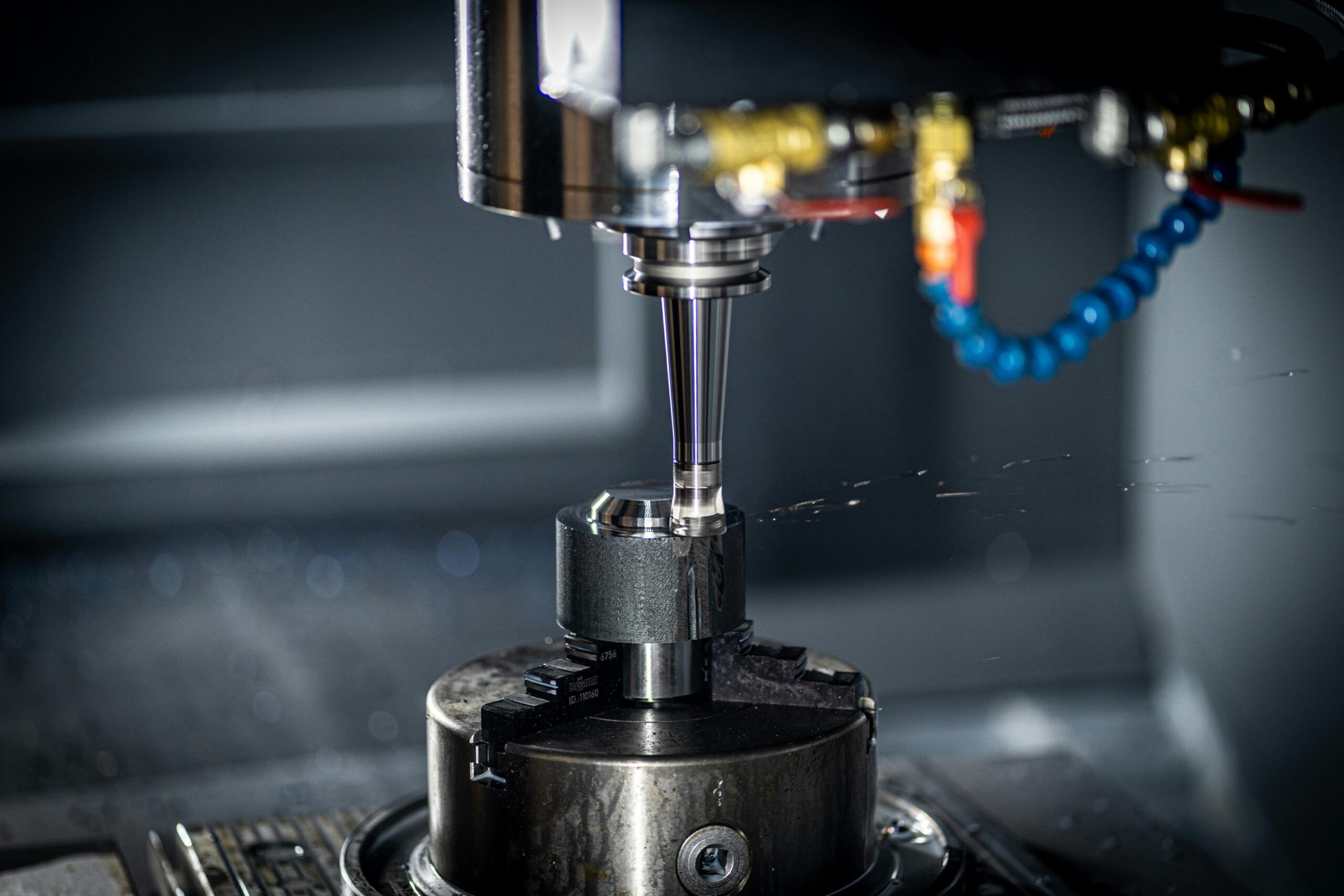
🎖️ Transforming Machining Excellence Through Virtual Intelligence
Digital twin technology represents far more than incremental improvement in machining precision—it fundamentally transforms how manufacturers approach accuracy, quality, and process optimization. By creating virtual environments that mirror physical reality with remarkable fidelity, digital twins enable predictive insights and proactive adjustments that were simply impossible with traditional approaches.
Manufacturers implementing this technology report not just measurable improvements in dimensional accuracy and process capability, but cultural transformations in how their organizations think about quality and continuous improvement. The visibility and predictability that digital twins provide build confidence throughout the organization, from machine operators to executive leadership.
As manufacturing requirements continue evolving toward tighter tolerances, more complex geometries, and greater customization, digital twin technology will increasingly separate industry leaders from those struggling to meet customer expectations. Organizations investing in these capabilities today are positioning themselves for sustained competitive advantage in an increasingly demanding marketplace.
The journey toward digital twin-enabled machining excellence requires commitment, investment, and patience. However, manufacturers who successfully navigate this transformation unlock precision capabilities that redefine what’s possible in their operations, setting new standards for accuracy, efficiency, and quality that competitors struggle to match.