Understanding the true environmental cost of products from creation to disposal requires a systematic approach. Life-cycle assessment offers manufacturers and consumers a comprehensive view of ecological impacts across every stage of batch production.

🌍 The Hidden Environmental Story Behind Mass Production
Every product that reaches our hands carries an invisible environmental history. From the extraction of raw materials to the final moment when it becomes waste, batch-produced goods leave ecological footprints that extend far beyond their physical presence. Life-cycle assessment (LCA) has emerged as the gold standard for measuring these impacts, providing manufacturers, policymakers, and consumers with data-driven insights into sustainability.
Batch production represents the backbone of modern manufacturing, where identical products are created in specific quantities rather than through continuous flow. This method dominates industries from pharmaceuticals to electronics, food processing to automotive components. Yet the environmental implications of producing goods in batches remain largely invisible to end users who interact only with finished products.
The journey from raw material sourcing to final disposal encompasses multiple stages, each contributing unique environmental burdens. Understanding this complete picture requires examining extraction processes, manufacturing energy consumption, transportation networks, product usage patterns, and end-of-life scenarios. Life-cycle assessment provides the framework to quantify impacts across all these dimensions.
🔬 Decoding Life-Cycle Assessment Methodology
Life-cycle assessment represents a standardized methodology defined by international standards ISO 14040 and ISO 14044. This analytical framework systematically evaluates environmental impacts associated with all stages of a product’s existence. The methodology divides into four distinct phases: goal and scope definition, inventory analysis, impact assessment, and interpretation.
The goal and scope phase establishes boundaries for the assessment, determining which processes to include and defining functional units for comparison. A functional unit might be “one kilogram of packaged product delivered to retail” or “1000 uses of a consumer device.” This standardization enables meaningful comparisons between different products or production methods.
Inventory analysis catalogs all inputs and outputs across the product life cycle. Researchers document raw material consumption, energy requirements, water usage, emissions to air and water, and waste generation. This data-intensive phase often reveals surprising contributors to environmental impact that wouldn’t be apparent from surface-level observation.
Impact assessment translates inventory data into environmental consequences. Categories typically include climate change potential, acidification, eutrophication, ozone depletion, resource depletion, human toxicity, and ecosystem impacts. This translation allows stakeholders to understand real-world implications of production choices.
The Critical Boundaries That Shape Assessment Results
Defining system boundaries represents one of the most consequential decisions in life-cycle assessment. A cradle-to-grave analysis tracks impacts from raw material extraction through final disposal. Cradle-to-gate studies examine only manufacturing phases, while gate-to-gate focuses on specific process stages. Cradle-to-cradle approaches incorporate recycling and circular economy principles.
The choice of boundaries significantly influences results and conclusions. A manufacturer might demonstrate low gate-to-gate impacts while the product’s use phase or disposal creates substantial environmental burdens. Comprehensive assessments require expanding boundaries to capture the complete environmental story, though this increases complexity and data requirements.
⚙️ Environmental Hotspots in Batch Manufacturing Processes
Batch production processes concentrate environmental impacts in distinct ways compared to continuous manufacturing. Setup and changeover activities create inefficiencies as equipment is cleaned, reconfigured, and tested between production runs. These transitions consume energy, generate waste, and may require disposal of transitional product that doesn’t meet specifications.
Energy consumption patterns in batch manufacturing show characteristic spikes and valleys. Heating, cooling, mixing, and reaction processes may operate discontinuously, preventing optimization strategies available in continuous production. Holding equipment at operational temperatures between batches wastes energy, while complete shutdown and restart cycles create their own inefficiencies.
Material waste in batch production follows predictable patterns. Startup and shutdown phases generate off-specification product requiring rework or disposal. Quality control procedures consume samples from each batch. Cleaning operations between batches create wastewater streams containing product residues, cleaning agents, and contaminants requiring treatment.
The Raw Material Extraction Phase
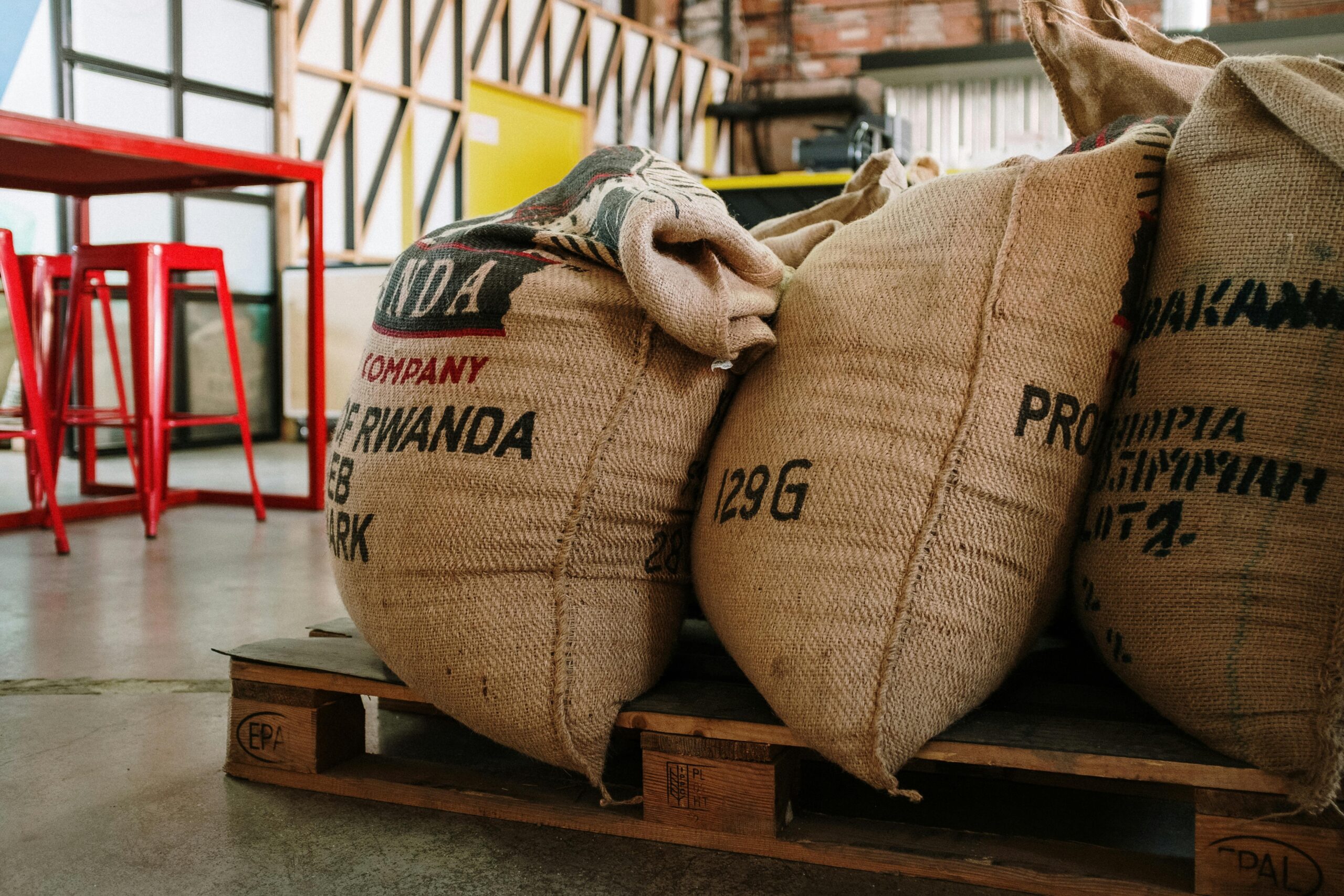
Environmental impacts begin long before manufacturing facilities receive raw materials. Mining operations for metals and minerals disrupt ecosystems, consume water resources, and generate tailings that persist for decades. Petroleum extraction for plastics and synthetic materials creates habitat disturbance, water pollution risks, and methane emissions.
Agricultural raw materials carry their own environmental burdens. Industrial farming practices deplete soil nutrients, require synthetic fertilizers and pesticides, and may contribute to deforestation when new land is cleared for production. Water consumption for agricultural inputs can stress local water supplies, particularly in arid regions.
Transportation of raw materials from extraction sites to processing facilities adds substantial carbon footprints. Bulk materials may travel thousands of kilometers by ship, rail, or truck before reaching manufacturing locations. The choice of suppliers and their geographic distribution significantly influences this component of total environmental impact.
🏭 Manufacturing Phase: Where Batch Production Creates Environmental Pressure
The manufacturing phase typically represents the most visible and controllable element of environmental impact in batch production. Energy consumption for heating, cooling, mechanical processing, and environmental controls dominates many assessments. The energy source mix—fossil fuels, nuclear, or renewables—dramatically influences carbon footprint calculations.
Water usage in manufacturing serves multiple functions: direct ingredient incorporation, process cooling, cleaning, and steam generation. Many industrial processes return water to the environment at higher temperatures or containing dissolved chemicals, creating thermal pollution and requiring wastewater treatment. Water-stressed regions face particular challenges when manufacturing operations compete with agricultural and residential needs.
Chemical inputs beyond primary raw materials include processing aids, catalysts, solvents, and cleaning agents. These substances may volatilize into atmospheric emissions, discharge in wastewater, or concentrate in waste streams requiring special handling. Selecting alternative chemicals with lower environmental profiles represents a key strategy for impact reduction.
Waste Streams and By-Products
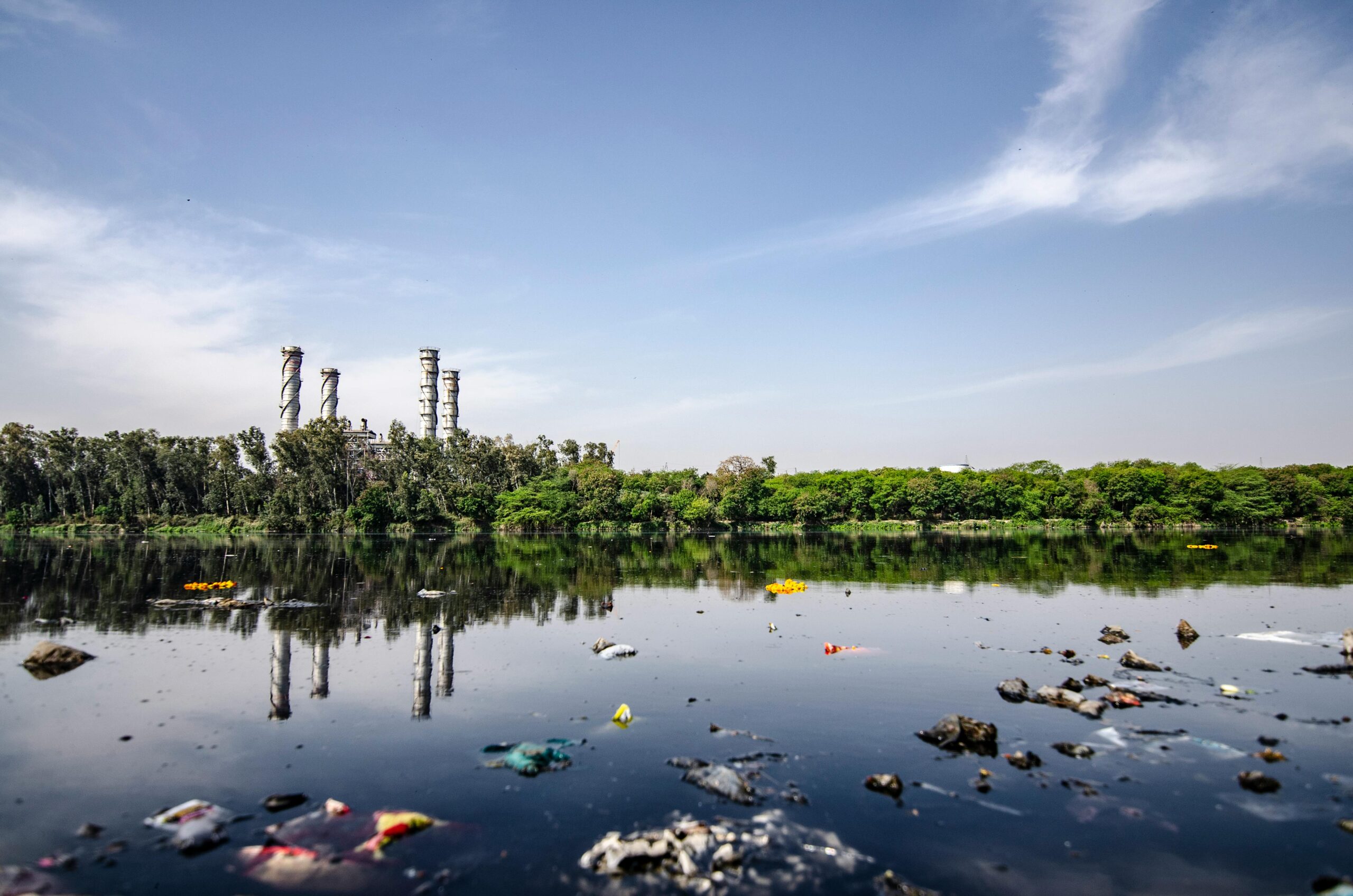
Batch manufacturing generates diverse waste streams requiring management. Solid waste includes packaging materials, off-specification product, spent filters, and maintenance materials. Liquid waste comprises cleaning solutions, process water, and equipment lubricants. Gaseous emissions result from chemical reactions, solvent evaporation, and combustion processes.
By-products may offer opportunities for waste reduction through industrial symbiosis, where one facility’s waste becomes another’s raw material. Heat recovery systems capture thermal energy for reuse. Solvent recycling reduces virgin material consumption. These strategies transform linear “take-make-dispose” models toward circular approaches.
📦 Distribution and Transportation Footprints
Moving finished goods from manufacturing facilities to end users creates significant environmental impacts often underestimated in sustainability discussions. Transportation mode selection—air freight, ocean shipping, rail, or trucking—produces vastly different carbon footprints per ton-kilometer. Air transport generates approximately 50 times the emissions of ocean shipping for equivalent cargo.
Packaging materials protect products during distribution but add environmental burdens. Corrugated cardboard, plastic films, foam cushioning, and wooden pallets require resources to produce and create waste at destination. Optimizing package design to minimize material use while ensuring product protection represents an important leverage point for impact reduction.
Warehousing and storage facilities consume energy for climate control, lighting, and material handling equipment. Cold chain logistics for temperature-sensitive products like food and pharmaceuticals dramatically increase energy requirements. Distribution center location and network design influence transportation distances and associated emissions.
👥 The Use Phase: Consumer Behavior Matters
For many product categories, the use phase generates the largest environmental impacts across the complete life cycle. Electronic devices consume electricity throughout their operational lives. Appliances like refrigerators, washing machines, and water heaters dominate residential energy consumption. Improving operational efficiency yields substantial environmental benefits.
Maintenance and repair practices extend product lifespans and reduce replacement frequency. Products designed for durability and repairability enable longer use periods, amortizing manufacturing impacts across more years of service. However, energy efficiency improvements in newer models create trade-offs where older but functional products may consume more energy than manufacturing replacements.
Consumables and accessories required during use add ongoing environmental burdens. Printer cartridges, batteries, filters, and cleaning supplies contribute impacts beyond the primary product. Product designs that minimize consumable requirements or enable refilling and reuse reduce these ongoing footprints.
♻️ End-of-Life: From Disposal to Circular Economy
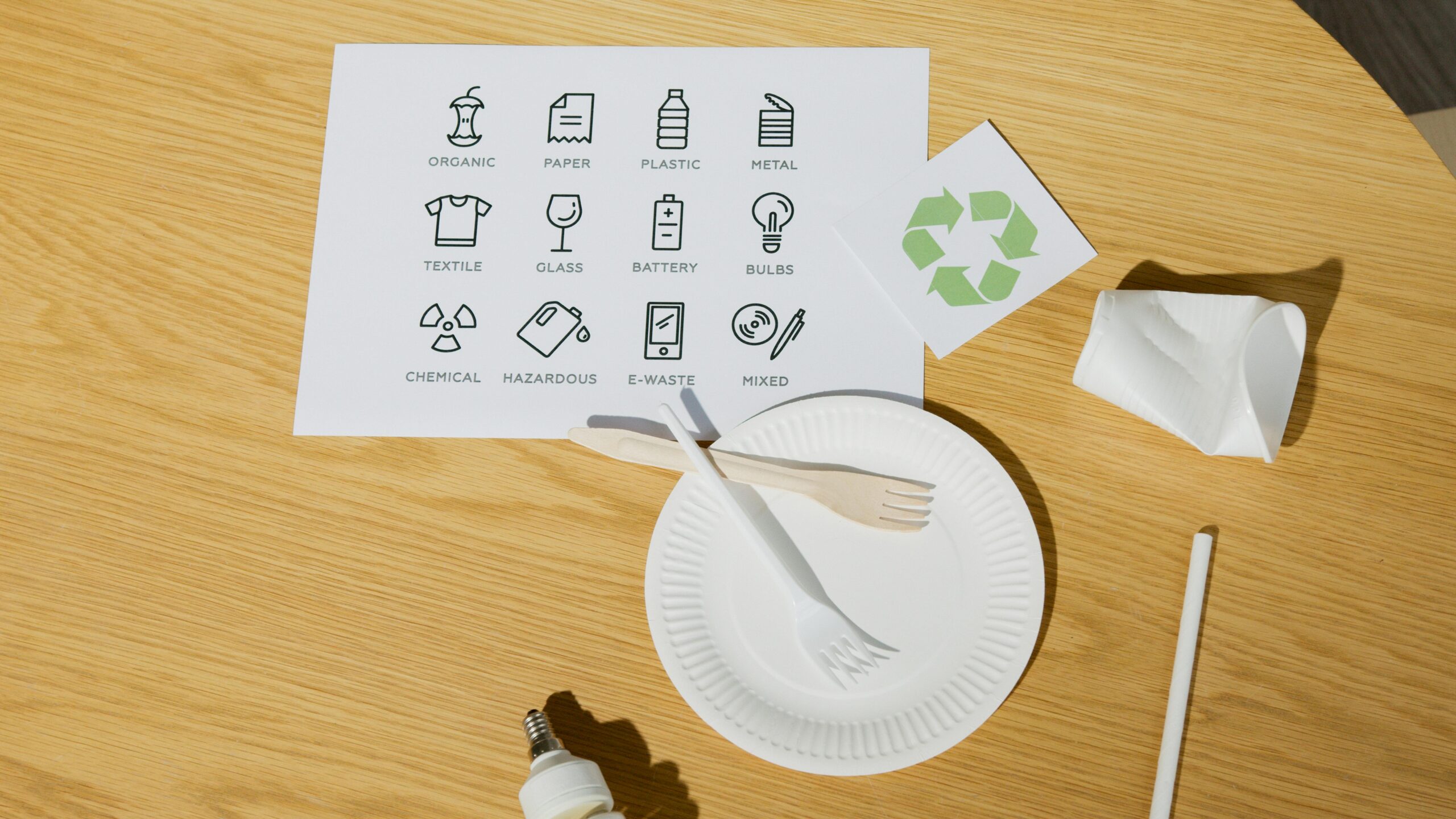
Product disposal represents both environmental challenge and opportunity. Landfilling wastes embodied energy and materials while potentially creating leachate that contaminates groundwater. Incineration recovers energy but generates air emissions and ash requiring disposal. These linear end-of-life scenarios represent missed opportunities for resource recovery.
Recycling enables material recovery, reducing demand for virgin raw materials and their associated extraction impacts. However, recycling processes consume energy and may degrade material properties, limiting the number of cycles possible. Plastic recycling proves particularly challenging due to contamination issues and the diversity of polymer types requiring separate processing streams.
Design for disassembly facilitates end-of-life material recovery by enabling easy separation of components. Products constructed with mechanical fasteners rather than adhesives allow non-destructive disassembly. Material labeling helps recyclers identify and sort components. Minimizing material variety within products simplifies recycling processes.
Emerging Circular Economy Models
Circular economy approaches reimagine product systems to eliminate waste and extend material use. Product-as-a-service models retain ownership with manufacturers who maintain incentives for durability and repairability. Take-back programs ensure products return to manufacturers for refurbishment or material recovery. These models shift business incentives toward sustainability.
Remanufacturing restores used products to like-new condition, requiring substantially less energy and materials than new production. Industries including automotive parts, electronics, and industrial equipment successfully implement remanufacturing programs. Design for remanufacturing incorporates features enabling multiple life cycles through component replacement and upgrade.
📊 Quantifying Impact: Metrics That Matter
Life-cycle assessment generates numerous impact metrics, requiring prioritization and interpretation. Carbon footprint, measured in kilograms of CO2 equivalent, has become the most widely recognized metric. This measure captures greenhouse gas emissions contributing to climate change, including carbon dioxide, methane, and nitrous oxide converted to equivalent CO2 impact.
Water footprint quantifies freshwater consumption and degradation. Blue water refers to surface and groundwater withdrawals, green water to rainwater stored in soil, and gray water to pollution quantified as dilution volume required to meet quality standards. Water footprinting reveals impacts in water-stressed regions where consumption creates particular pressure on ecosystems and communities.
Resource depletion metrics track consumption of finite materials including fossil fuels, minerals, and metals. Abiotic depletion potential measures how production draws down non-renewable resources. These metrics help identify products that depend on scarce materials requiring substitution or recycling strategies.
🎯 Strategies for Reducing Environmental Impact
Manufacturers pursuing impact reduction should prioritize interventions based on life-cycle assessment findings. Hotspot analysis identifies process stages and inputs contributing disproportionately to environmental burdens. Targeted improvements to these areas generate the greatest benefit per unit of effort and investment.
Material substitution replaces high-impact inputs with lower-impact alternatives. Bio-based materials may offer advantages over petroleum-derived plastics. Recycled content reduces virgin material demand. However, comprehensive assessment is essential as apparent improvements may create unintended consequences in other impact categories.
Process optimization reduces waste and energy consumption through improved control systems, equipment upgrades, and operational practices. Lean manufacturing principles eliminate non-value-adding activities that consume resources. Energy management systems identify opportunities for efficiency improvements and behavioral changes.
Supply chain engagement extends environmental improvement beyond direct manufacturing operations. Supplier selection criteria can include environmental performance metrics. Collaboration with suppliers develops capability for impact reduction throughout the value chain. Transparency initiatives like environmental product declarations communicate verified impact data to customers.
🔮 Future Directions in Life-Cycle Assessment
Life-cycle assessment methodology continues evolving to address emerging challenges and opportunities. Social life-cycle assessment extends analysis beyond environmental metrics to include labor conditions, community impacts, and human rights considerations. This holistic approach recognizes that sustainability encompasses social and economic dimensions alongside environmental performance.
Dynamic LCA incorporates temporal dimensions, recognizing that impacts vary based on when they occur. Emissions during manufacturing affect the climate differently than emissions occurring decades later during disposal. Time-dependent modeling provides more accurate representations of long-term environmental consequences.
Artificial intelligence and machine learning enable more sophisticated analysis of complex systems. These tools can identify non-obvious patterns in large datasets, predict outcomes of design changes, and optimize systems across multiple objectives simultaneously. Digital product passports may soon enable automatic life-cycle tracking for individual products.
💡 Empowering Informed Decision-Making
Life-cycle assessment transforms abstract sustainability commitments into quantified action plans. Manufacturers gain clarity about where environmental impacts concentrate and which interventions deliver meaningful results. Designers incorporate environmental considerations alongside cost, performance, and aesthetics. Procurement professionals evaluate suppliers based on comprehensive environmental credentials rather than single-attribute claims.
Consumers increasingly demand transparency about product environmental impacts. Eco-labels and environmental product declarations communicate LCA results in accessible formats. However, information alone proves insufficient without convenient sustainable alternatives and supportive infrastructure for repair, reuse, and recycling.
Policy makers utilize life-cycle thinking to design regulations that address true environmental burdens rather than shifting impacts between life-cycle stages or geographic regions. Extended producer responsibility programs hold manufacturers accountable for end-of-life impacts. Procurement policies favor products with verified environmental performance advantages.
The transition toward sustainable production requires systematic understanding of environmental impacts from raw material extraction through final disposal. Life-cycle assessment provides the analytical foundation for this transformation, revealing hidden impacts and identifying opportunities for meaningful improvement. As methodology advances and data availability improves, LCA will become increasingly integral to product development, manufacturing operations, and consumption decisions.
Batch-produced goods dominate modern commerce, making their environmental optimization essential for sustainability progress. By uncovering impacts across complete product life cycles, stakeholders gain the insights necessary to redesign systems, implement circular economy principles, and reduce environmental burdens. The path forward requires commitment to transparency, investment in cleaner technologies, and collaboration across value chains to transform production and consumption patterns.