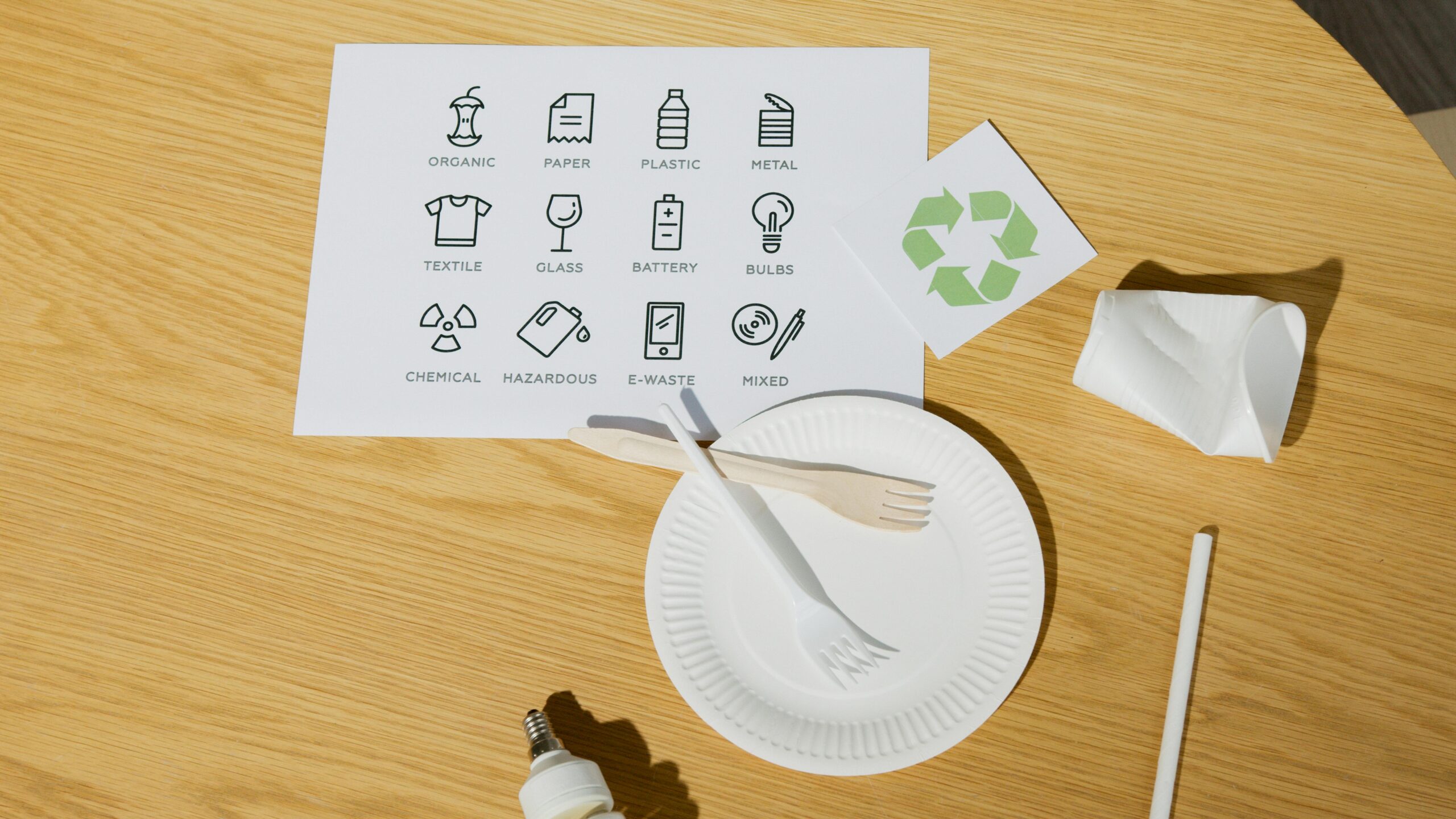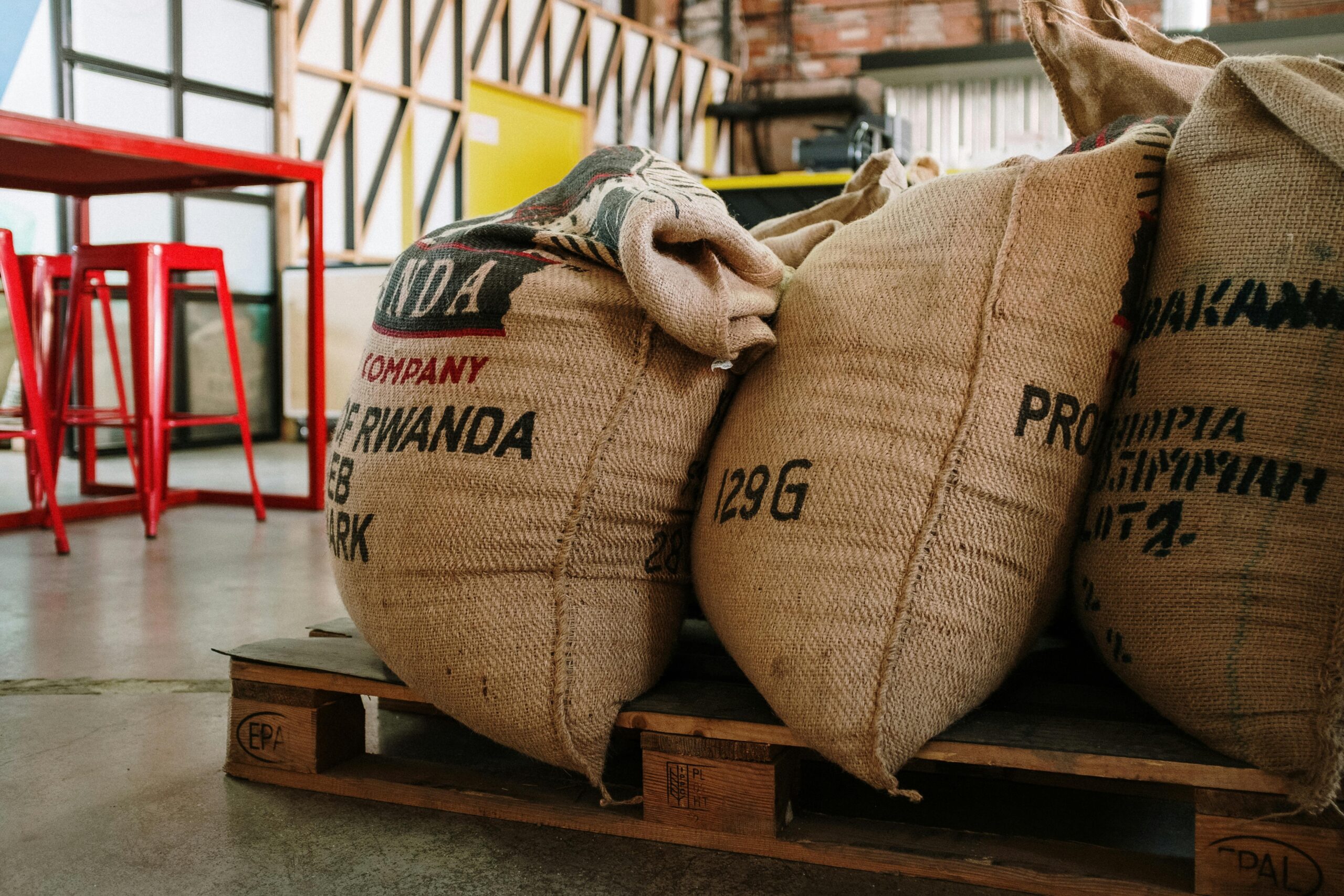
Choosing sustainable materials is more complex than it appears. Both bio-based and recycled options offer environmental benefits, yet each carries unique carbon footprints worth understanding before making informed decisions.

🌱 The Rising Demand for Sustainable Material Alternatives
The global shift toward sustainable living has sparked intense debates about which materials truly deliver environmental benefits. As consumers become increasingly conscious of their ecological impact, the marketplace has responded with an overwhelming array of “green” options. Bio-based plastics, recycled textiles, compostable packaging, and upcycled products now compete for our attention and purchasing power.
However, the sustainability narrative isn’t always straightforward. What appears environmentally friendly on the surface may carry hidden carbon costs throughout its lifecycle. Understanding these trade-offs requires examining everything from raw material extraction to manufacturing processes, transportation logistics, and end-of-life disposal scenarios.
This complexity has created confusion among environmentally conscious consumers. Should you choose a bio-based plastic bottle derived from corn or a recycled plastic bottle made from post-consumer waste? Is bamboo fabric inherently better than recycled polyester? These questions don’t have simple answers, and the devil truly lies in the details.
Decoding Bio-Based Materials: Nature’s Promise and Pitfalls
Bio-based materials derive from renewable biological resources rather than fossil fuels. This category encompasses everything from plant-based plastics and natural fibers to wood products and biodegradable packaging. The appeal is intuitive—materials that grow naturally seem inherently more sustainable than those extracted from finite petroleum reserves.
Plant-based plastics, technically known as bioplastics, have experienced remarkable growth. Polylactic acid (PLA) derived from corn starch, polyhydroxyalkanoates (PHA) from bacterial fermentation, and bio-polyethylene from sugarcane represent just a few examples. These materials can replace conventional plastics in numerous applications, from food packaging to textile fibers.
The Carbon Sequestration Advantage 🌾
Bio-based materials possess one significant advantage: they sequester carbon dioxide during their growth phase. Plants absorb atmospheric CO2 through photosynthesis, temporarily storing this carbon in their biomass. When converted into products, this captured carbon remains locked away, at least temporarily offsetting emissions from manufacturing and transportation.
This carbon sequestration capability creates a theoretical “carbon neutrality” scenario. If the CO2 absorbed during growth equals the emissions released during production, use, and disposal, the material achieves net-zero carbon impact. However, reality rarely aligns perfectly with this ideal scenario.
Hidden Environmental Costs of Bio-Based Production
The cultivation of bio-based materials carries significant environmental implications that often escape casual consideration. Agricultural production requires land, water, fertilizers, and pesticides. Large-scale cultivation of crops for material production can compete with food production, potentially driving up food prices and contributing to food insecurity.
Land-use change represents one of the most significant carbon concerns. Converting forests, grasslands, or other ecosystems into agricultural fields releases substantial stored carbon while eliminating future carbon sequestration capacity. Studies have shown that indirect land-use change can completely negate the carbon benefits of bio-based materials.
Processing bio-based materials into usable products also demands energy. Converting corn into PLA plastic or processing bamboo into fabric requires substantial industrial infrastructure, often powered by fossil fuels. The chemical processes involved in extraction, purification, and polymerization can generate considerable greenhouse gas emissions.
♻️ Recycled Materials: Closing the Loop on Waste
Recycled materials offer a fundamentally different approach to sustainability. Rather than growing new resources, recycling diverts existing waste from landfills and incinerators, giving materials a second (or third, or fourth) life. This circular approach reduces demand for virgin materials while addressing the mounting waste crisis facing modern society.
The recycling category spans diverse materials including metals, plastics, glass, paper, and textiles. Each material type presents unique recycling challenges and opportunities. Aluminum recycling, for instance, saves approximately 95% of the energy required to produce aluminum from bauxite ore, making it one of recycling’s most compelling success stories.
Energy Savings Through Material Recovery
Recycling typically requires less energy than producing materials from virgin sources. This energy advantage translates directly into reduced carbon emissions. Recycled plastic production uses 30-50% less energy than virgin plastic manufacturing, while recycled steel production consumes roughly 60% less energy than making steel from iron ore.
These energy savings compound over multiple recycling cycles. Materials that can be recycled repeatedly without significant quality degradation—like aluminum, glass, and certain metals—offer exponential carbon benefits compared to single-use alternatives. Each recycling cycle avoids the substantial carbon cost of virgin material extraction and primary processing.
The Quality Degradation Challenge
Not all materials recycle equally well. Plastic recycling faces particular challenges because most plastics undergo “downcycling”—each recycling cycle degrades the polymer chains, reducing material quality and limiting applications. A plastic bottle might become recycled fabric, which then becomes carpet padding, but eventually reaches a point where further recycling becomes impossible.
This quality degradation means that even aggressive recycling programs cannot eliminate the need for virgin materials. The recycling system requires continuous input of high-quality virgin materials to maintain overall material quality. This reality complicates the carbon accounting, as recycling systems must be evaluated alongside the virgin material production they reduce but cannot entirely replace.
Collection and Processing Infrastructure Emissions
Recycling infrastructure generates its own carbon footprint. Collection trucks must travel through neighborhoods gathering recyclables. Materials require sorting, cleaning, and processing before they can re-enter manufacturing streams. These activities consume fuel and energy, adding to the carbon ledger.
Contamination poses another significant challenge. Mixed or soiled recyclables may require additional processing or might be rejected entirely and sent to landfills. The energy expended collecting and initially processing contaminated materials represents wasted carbon emissions without corresponding environmental benefit.
Carbon Footprint Showdown: Direct Comparisons 📊
Comparing carbon footprints between bio-based and recycled materials requires careful lifecycle analysis. Different products, production methods, and regional contexts yield different results. However, examining specific case studies reveals instructive patterns.
Packaging Materials: PLA vs. Recycled PET
Polylactic acid (PLA) derived from corn and recycled polyethylene terephthalate (rPET) from post-consumer bottles both offer alternatives to virgin petroleum-based plastics. Studies comparing these materials show nuanced results depending on system boundaries and assumptions.
PLA production generates approximately 50-60% lower greenhouse gas emissions than virgin PET when considering only manufacturing processes. However, including agricultural impacts like fertilizer production, land-use change, and farming equipment emissions narrows this advantage considerably. Some lifecycle analyses show PLA and virgin PET achieving near-parity when comprehensive agricultural impacts are included.
Recycled PET typically demonstrates superior carbon performance compared to both virgin PET and PLA. By avoiding both petroleum extraction and agricultural cultivation, rPET sidesteps the substantial upfront carbon costs of raw material acquisition. Studies consistently show rPET producing 30-50% fewer greenhouse gases than virgin PET and often outperforming PLA as well.
Textile Applications: Organic Cotton vs. Recycled Polyester
The textile industry presents another illuminating comparison. Organic cotton, a bio-based material, competes against recycled polyester made from post-consumer plastic bottles. Both market themselves as sustainable alternatives to conventional textiles.
Organic cotton avoids synthetic pesticides and fertilizers, reducing certain environmental impacts. However, cotton cultivation remains water-intensive and requires substantial agricultural land. The carbon footprint of organic cotton varies dramatically depending on farming practices, irrigation methods, and regional climate conditions.
Recycled polyester diverts plastic waste from landfills while requiring significantly less water than cotton production. However, the recycling process consumes energy, and the resulting fabric releases microplastics during washing. Carbon footprint analyses typically favor recycled polyester when comparing production emissions alone, though cotton offers biodegradability advantages at end-of-life.
🔄 Lifecycle Thinking: Beyond Initial Production
Comprehensive sustainability assessment requires examining entire product lifecycles, not just manufacturing emissions. Transportation, consumer use, durability, and end-of-life disposal all significantly impact overall carbon footprints.
Transportation and Distribution Factors
Material sourcing geography dramatically affects carbon footprints. Bio-based materials might be grown locally or shipped internationally depending on agricultural conditions. Recycled materials similarly might be processed domestically or exported to distant recycling facilities.
Bamboo fabric marketed as sustainable in North America often travels thousands of miles from Asian processing facilities. This transportation generates substantial emissions that might exceed the carbon savings versus locally-recycled alternatives. Meanwhile, recycled aluminum processed regionally might offer better overall carbon performance than bio-based materials shipped internationally.
Product Durability and Replacement Cycles
Durability profoundly influences lifetime carbon footprints. A product lasting twice as long effectively halves the annual carbon impact. Bio-based materials and recycled materials demonstrate varying durability depending on specific applications and quality levels.
Some recycled materials match or exceed virgin material durability. Recycled metals and glass perform essentially identically to virgin equivalents. However, downcycled plastics may produce less durable products requiring more frequent replacement. Bio-based materials similarly vary—some natural fibers outlast synthetic alternatives while others deteriorate more rapidly.
End-of-Life Scenarios and Carbon Release
Product disposal represents the final chapter in carbon accounting. Bio-based materials that biodegrade return their stored carbon to the atmosphere, though the release timeline and methane generation vary by disposal method. Compostable materials properly composted release CO2 gradually while enriching soil. Materials buried in anaerobic landfills may generate methane, a greenhouse gas approximately 25 times more potent than CO2.
Recycled materials entering waste streams might be recycled again, incinerated, or landfilled. Multiple recycling cycles multiply carbon benefits, while incineration releases emissions potentially offset by energy recovery. Landfilling preserves materials but represents a wasted opportunity for further lifecycle extensions.
Regional Context: Geography Matters for Carbon Calculations 🌍
Material sustainability varies dramatically across geographical contexts. Regional energy grids, transportation infrastructure, climate conditions, and waste management systems all influence carbon footprints.
Recycling proves most carbon-efficient in regions with established collection infrastructure, clean energy grids, and accessible processing facilities. Countries like Germany and South Korea with comprehensive recycling systems maximize carbon benefits while minimizing collection and processing emissions.
Bio-based materials show advantages in regions with sustainable agricultural practices, favorable growing conditions, and renewable energy-powered processing facilities. Sugarcane-based bioplastics produced in Brazil using bagasse-powered facilities demonstrate impressive carbon profiles. However, the same materials produced elsewhere using coal-powered processing show diminished benefits.
Making Informed Choices: Practical Decision Framework ✅
Navigating bio-based versus recycled material choices requires considering multiple factors beyond simple carbon footprints. Use these practical guidelines to inform your sustainable material decisions:
- Prioritize reduction first: The most sustainable material is the one you don’t consume. Before choosing between bio-based or recycled options, consider whether you need the product at all.
- Evaluate local context: Regional recycling infrastructure, agricultural practices, and energy sources significantly impact relative sustainability. What works in one location may not transfer elsewhere.
- Consider product lifespan: Durability often outweighs production method. A longer-lasting product from either category beats a fragile alternative requiring frequent replacement.
- Investigate certification and transparency: Look for credible third-party certifications and lifecycle assessments. Be skeptical of vague sustainability claims without supporting data.
- Account for end-of-life options: Choose materials compatible with local waste management infrastructure. Compostable materials only benefit the environment if composting facilities exist.
- Avoid false dichotomies: Sometimes the best choice involves neither bio-based nor recycled materials. Traditional, durable materials like stainless steel or natural stone may offer superior lifecycle performance.
Industry Innovation: Hybrid Approaches and Future Directions 🚀
The most exciting sustainability developments combine bio-based and recycled material strategies. Companies are developing hybrid materials that leverage advantages from both approaches while minimizing respective weaknesses.
Bio-recycled materials use renewable feedstocks designed for multiple recycling cycles. Chemical recycling technologies break plastics down to molecular components, enabling infinite recycling without quality degradation. These processes can work with both petroleum-based and bio-based plastics, potentially combining the renewable origin of bio-materials with the circular economy benefits of recycling.
Cradle-to-cradle design principles emphasize creating materials specifically for disassembly and recycling or safe biological decomposition. Rather than forcing compromises between bio-based and recycled options, these approaches redesign materials and products to optimize both circular economy participation and biological compatibility.
Carbon capture and utilization technologies represent another frontier. These systems capture CO2 from industrial processes or even directly from air, converting it into materials like plastics or construction materials. Such technologies could eventually blur distinctions between bio-based, recycled, and synthetic materials entirely.

The Complexity Advantage: Embracing Nuanced Environmental Thinking 💭
The comparison between bio-based and recycled materials resists simple conclusions because sustainability itself resists simplification. Environmental impact spans multiple dimensions beyond carbon footprints—water consumption, biodiversity, toxicity, resource depletion, and social equity all matter.
This complexity shouldn’t paralyze decision-making but rather encourage more sophisticated environmental thinking. Recognizing that different materials excel in different contexts for different applications represents progress beyond simplistic “good” versus “bad” categorizations.
The most sustainable choice depends on your specific situation, local infrastructure, intended application, and available alternatives. Sometimes recycled materials offer clear advantages. Other times bio-based options prove superior. Frequently, the best choice involves questioning whether you need the material at all or exploring entirely different alternatives.
By understanding the carbon trade-offs inherent in both bio-based and recycled materials, you equip yourself to make genuinely informed decisions rather than relying on superficial marketing claims. Sustainable living requires this level of engagement—not because it’s easy, but because meaningful environmental progress demands nothing less.
The path forward involves continuing to refine our understanding of material impacts, supporting transparent lifecycle assessments, demanding better products from manufacturers, and remaining flexible as new technologies and information emerge. Both bio-based and recycled materials have important roles in building a sustainable future. Our task is understanding when and where each serves best, while continuing to innovate toward even better solutions that transcend current limitations entirely.