The shift toward renewable energy is revolutionizing how industries produce materials, creating pathways to carbon neutrality that seemed impossible just decades ago. ⚡

Climate change has become one of the most pressing challenges of our time, demanding immediate action across all sectors of the global economy. Traditional manufacturing processes, particularly those involving heavy materials like steel, cement, and chemicals, have historically been among the largest contributors to greenhouse gas emissions. However, a transformation is underway—one powered by clean energy sources that promise to reshape industrial production fundamentally.
The convergence of renewable energy technologies with advanced manufacturing processes is creating unprecedented opportunities for producing carbon-neutral materials. From solar-powered aluminum smelters to wind-driven hydrogen production facilities, industries are discovering that sustainability and profitability can coexist. This article explores how renewable energy is transforming material production, the technologies driving this change, and what the future holds for truly sustainable manufacturing.
🌍 The Carbon Challenge in Material Production
Material production has always been energy-intensive. Traditional processes for creating steel, cement, plastics, and other essential materials rely heavily on fossil fuels, contributing approximately 30% of global carbon dioxide emissions. The production of just one ton of steel releases nearly two tons of CO2 into the atmosphere, while cement manufacturing accounts for about 8% of all global emissions.
These staggering figures have prompted governments, industries, and researchers to seek alternatives. The Paris Agreement and subsequent climate commitments have set ambitious targets for carbon reduction, creating both regulatory pressure and market incentives for cleaner production methods. Companies now face increasing demands from consumers, investors, and policymakers to demonstrate their environmental credentials through measurable reductions in carbon footprints.
The challenge extends beyond simply reducing emissions—it involves reimagining entire supply chains, rethinking chemical processes that have remained unchanged for generations, and investing in infrastructure that can deliver consistent, reliable clean energy at industrial scales.
Renewable Energy: The Foundation of Carbon-Neutral Manufacturing
Renewable energy sources—solar, wind, hydroelectric, geothermal, and biomass—provide the clean power necessary for transforming material production. Unlike fossil fuels, these energy sources generate electricity without direct carbon emissions, making them ideal for powering industrial processes when deployed at sufficient scale.
The dramatic cost reduction in renewable energy technologies over the past decade has been nothing short of remarkable. Solar photovoltaic costs have fallen by approximately 90% since 2010, while wind energy has become competitive with or cheaper than fossil fuel alternatives in many regions. This economic transformation has made renewable-powered manufacturing not just environmentally responsible but financially viable.
Solar Power in Industrial Applications
Solar energy has emerged as a game-changer for industries located in sun-rich regions. Large-scale solar installations can now provide consistent power to manufacturing facilities, with battery storage systems smoothing out supply fluctuations. Aluminum production, one of the most energy-intensive processes, has begun transitioning to solar power in countries like Australia and the Middle East, where abundant sunshine combines with ambitious sustainability goals.
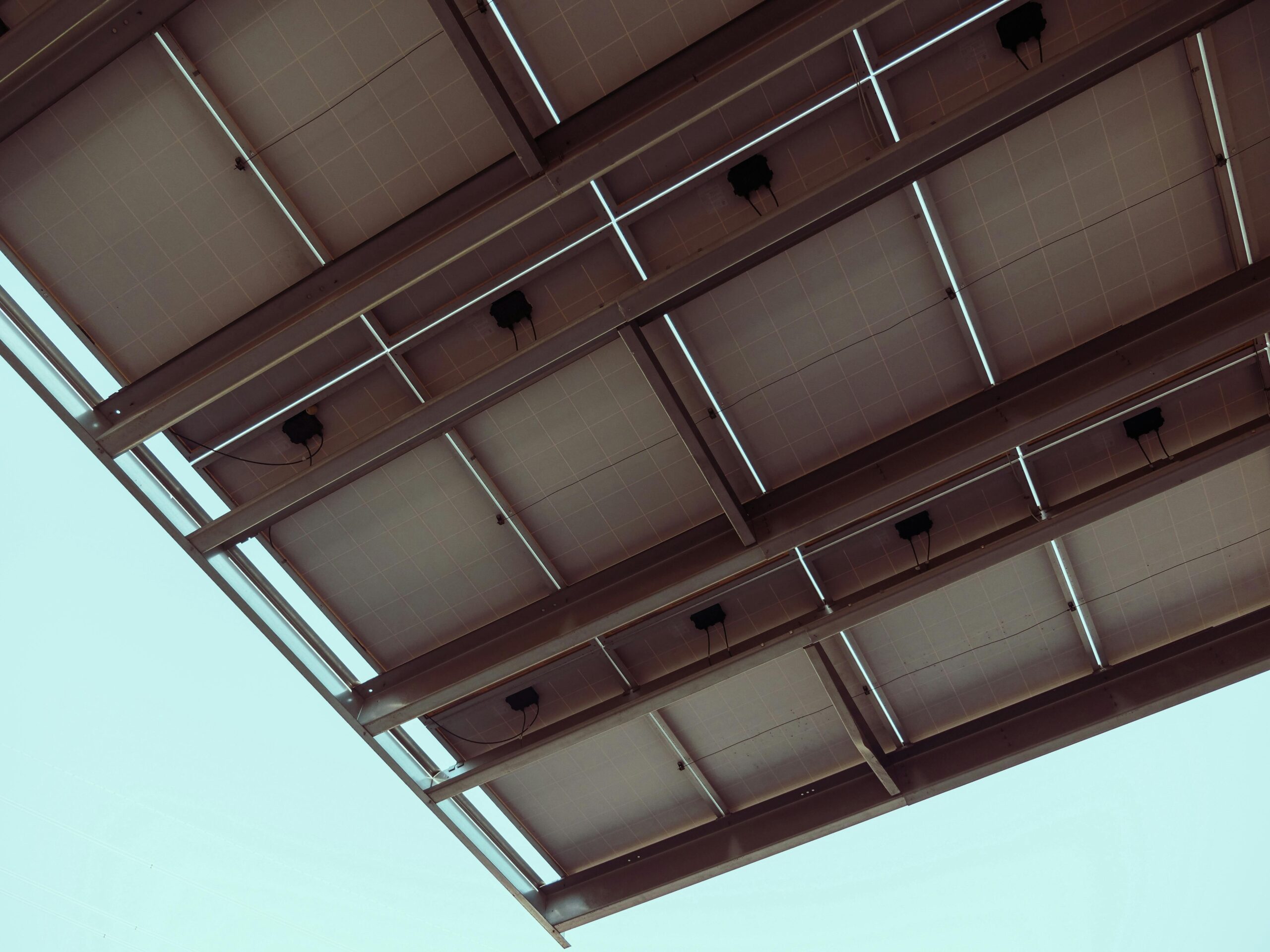
The scalability of solar technology allows manufacturers to gradually transition their operations, starting with supplementary solar installations and eventually moving toward complete renewable power. Many facilities now feature rooftop solar arrays combined with ground-mounted installations, creating distributed generation systems that enhance energy security while reducing carbon emissions.
Wind Energy Powering Heavy Industry
Wind power has proven particularly effective for heavy industries requiring massive amounts of electricity. Steel manufacturers in Scandinavia and Northern Europe have pioneered the integration of wind energy into their operations, with some facilities now running entirely on wind-generated electricity during peak production periods.
The reliability of modern wind turbines, combined with sophisticated grid management systems, has addressed earlier concerns about intermittency. Industrial facilities can now negotiate power purchase agreements directly with wind farm operators, securing long-term supplies of clean energy at predictable prices.
⚙️ Revolutionary Technologies Enabling Carbon-Neutral Materials
The transition to carbon-neutral material production involves more than simply switching to renewable electricity. It requires fundamental innovations in chemical processes, material science, and manufacturing techniques. Several breakthrough technologies are leading this transformation.
Green Hydrogen: The Universal Clean Fuel
Green hydrogen—produced by using renewable electricity to split water molecules through electrolysis—represents one of the most promising pathways to decarbonizing heavy industry. Unlike hydrogen derived from natural gas, green hydrogen produces zero carbon emissions and can replace fossil fuels in high-temperature industrial processes.
Steel manufacturers are developing direct reduction processes that use hydrogen instead of coal, eliminating the primary source of emissions in steelmaking. Companies in Sweden, Germany, and Japan are constructing pilot facilities that demonstrate this technology at commercial scale, with plans for widespread deployment within the next decade.
The chemical industry is similarly exploring green hydrogen for producing ammonia, methanol, and other essential compounds. These chemicals form the building blocks for countless materials, from fertilizers to plastics, making their decarbonization critical for achieving broader climate goals.
Electric Arc Furnaces and Heat Pumps
Electric arc furnaces, which use electrical energy to melt scrap metal, offer another pathway to low-carbon steel production. When powered by renewable electricity, these furnaces produce steel with a carbon footprint up to 75% lower than traditional blast furnaces. The technology is particularly well-suited for recycling existing steel, creating a circular economy that conserves both materials and energy.
Industrial heat pumps represent another innovation, capturing waste heat from manufacturing processes and upgrading it to temperatures useful for other applications. When integrated with renewable electricity, these systems dramatically improve overall energy efficiency while eliminating fossil fuel combustion for heating purposes.
Carbon Capture and Utilization
For processes where emissions are difficult to eliminate entirely, carbon capture and utilization (CCU) technologies provide a complementary solution. These systems trap CO2 from industrial exhaust streams and convert it into useful materials—including synthetic fuels, building materials, and chemicals.
When powered by renewable energy, CCU creates a pathway to carbon-negative production, actually removing more CO2 from the atmosphere than the process emits. Cement manufacturers are pioneering this approach, capturing process emissions and incorporating them into concrete, which actually absorbs CO2 as it cures.
🏗️ Industries Leading the Carbon-Neutral Transformation
The Steel Revolution
Steel production accounts for approximately 7% of global carbon emissions, making it a critical target for decarbonization efforts. Leading steel producers are investing billions in renewable-powered facilities that use hydrogen direct reduction or electric arc furnaces. Sweden’s HYBRIT project aims to produce fossil-free steel by 2026, while ArcelorMittal and ThyssenKrupp are developing similar technologies across Europe.
The transition faces significant challenges, including the need for massive quantities of green hydrogen and renewable electricity. However, early-stage projects demonstrate technical feasibility, and carbon pricing mechanisms are improving the economic case for investment.
Cement and Concrete Innovation
Cement production presents unique challenges because much of its CO2 emissions come from chemical reactions during limestone processing rather than energy combustion. Researchers are developing alternative cement formulations that require lower temperatures, can incorporate industrial waste materials, and even absorb CO2 during curing.
Companies like CarbonCure and Solidia Technologies are commercializing processes that inject captured CO2 into concrete, permanently sequestering it while improving material strength. When combined with renewable-powered kilns and alternative binders, these innovations could transform one of the world’s highest-emission industries into a carbon-neutral or even carbon-negative sector.
Chemical and Plastics Manufacturing
The chemical industry is exploring bio-based feedstocks and renewable energy to produce carbon-neutral plastics and other materials. Companies are developing processes that convert agricultural waste, algae, or captured CO2 into precursor chemicals, eliminating dependence on petroleum while creating circular material flows.
Bioplastics produced using renewable energy represent a particularly promising avenue, offering materials with properties similar to conventional plastics but with dramatically lower carbon footprints. As production scales increase and costs decline, these materials are becoming competitive alternatives for packaging, consumer goods, and industrial applications.
💡 Economic Drivers and Market Transformation
The transition to carbon-neutral materials is being driven by powerful economic forces beyond environmental concerns. Carbon pricing mechanisms, whether through emissions trading systems or carbon taxes, are making fossil-fuel-intensive production increasingly expensive. The European Union’s Carbon Border Adjustment Mechanism will impose tariffs on high-carbon imports, creating strong incentives for global manufacturers to reduce emissions.
Consumer preferences are shifting toward sustainable products, with surveys consistently showing willingness to pay premiums for environmentally responsible goods. Major corporations are committing to net-zero supply chains, requiring their suppliers to demonstrate carbon neutrality or face exclusion from lucrative contracts. These market signals are redirecting investment toward clean technologies at unprecedented rates.
Financial markets are responding through ESG (Environmental, Social, and Governance) investing frameworks that favor companies with credible decarbonization strategies. Access to capital increasingly depends on demonstrating climate action, making renewable-powered production not just a competitive advantage but a business necessity.
🌐 Global Initiatives and Policy Support
Governments worldwide are implementing policies to accelerate the transition to carbon-neutral materials. The United States’ Inflation Reduction Act includes substantial tax credits for clean hydrogen production and carbon capture, while providing manufacturing incentives for companies using low-carbon processes.
The European Green Deal is driving massive investments in renewable energy infrastructure and clean industrial technologies through a combination of direct funding, regulatory requirements, and carbon pricing. Countries like Germany, France, and the Netherlands are establishing “hydrogen valleys”—regional clusters combining renewable energy generation with hydrogen production and industrial applications.
China, the world’s largest manufacturer, has announced ambitious plans to peak carbon emissions before 2030 and achieve carbon neutrality by 2060. These commitments are driving investments in renewable energy capacity that dwarfs the rest of the world combined, with implications for global supply chains and competitive dynamics.
Challenges and Barriers to Overcome
Despite remarkable progress, significant obstacles remain. The intermittency of solar and wind power requires substantial energy storage capacity or flexible industrial processes that can modulate production based on electricity availability. Current battery technology costs make long-duration storage economically challenging at industrial scales, though promising alternatives like thermal storage and compressed air are emerging.
Infrastructure limitations present another constraint. Transitioning to hydrogen-based production requires entirely new pipelines, storage facilities, and distribution networks. The timeline and cost for building this infrastructure could delay widespread adoption even as production technologies mature.
Skills gaps also pose challenges, as the workforce needs retraining to operate new technologies and processes. Manufacturing regions dependent on traditional industries face economic disruption requiring careful management and support for affected workers and communities.
🚀 The Path Forward: Scaling Carbon-Neutral Production
The next decade will be decisive for establishing carbon-neutral material production as the global standard. Several factors will determine the pace of transformation:
- Continued cost reductions in renewable energy and associated technologies like electrolyzers and batteries
- Policy stability and support providing long-term investment confidence
- International cooperation on standards, technology transfer, and trade policies
- Innovation in materials science developing alternatives to traditionally high-carbon materials
- Consumer and corporate demand for demonstrably sustainable products
Collaboration between governments, industries, and research institutions is accelerating technology development and deployment. Public-private partnerships are funding demonstration projects that prove commercial viability, while international organizations are facilitating knowledge sharing and best practice dissemination.
Real-World Success Stories Lighting the Way
Several pioneering projects demonstrate that carbon-neutral material production is already becoming reality. Ørsted’s renewable hydrogen facility in Denmark produces clean fuel for industrial applications using offshore wind power. The facility has eliminated thousands of tons of annual CO2 emissions while proving the economic viability of green hydrogen at commercial scale.
In Australia, mining companies are transitioning to renewable electricity for processing operations, with some facilities now running entirely on solar and wind power. These projects showcase how energy-intensive industries can maintain competitiveness while dramatically reducing environmental impacts.
California-based startups are producing carbon-negative building materials by capturing CO2 from power plants and converting it into aggregate and concrete products. These materials are being used in construction projects throughout the western United States, demonstrating market acceptance and regulatory approval for innovative carbon-utilization technologies.
The Multiplier Effect: Beyond Direct Emissions Reductions
The benefits of renewable-powered material production extend beyond direct carbon emissions reductions. Local air quality improves dramatically when industrial facilities eliminate fossil fuel combustion, reducing respiratory illnesses and healthcare costs in surrounding communities. Water consumption typically decreases as well, since many renewable energy systems require minimal water compared to thermal power plants.
Energy independence increases as countries rely less on imported fossil fuels, improving national security and economic stability. Domestic renewable energy industries create high-quality jobs in manufacturing, installation, and maintenance, often in regions that need economic revitalization.
The technological expertise developed through these transitions positions nations and companies as leaders in the emerging global clean economy, creating export opportunities and competitive advantages that will grow as climate policies tighten worldwide.
⚡ A Future Built on Clean Energy and Sustainable Materials
The transformation of material production through renewable energy represents one of humanity’s most significant industrial revolutions. What seemed impossible twenty years ago—producing steel, cement, and chemicals without carbon emissions—is rapidly becoming standard practice. The convergence of technological innovation, economic incentives, and societal demand is creating unstoppable momentum toward carbon-neutral manufacturing.
Success requires sustained commitment, continued innovation, and willingness to reimagine processes that have remained largely unchanged for generations. The challenges are substantial, but so are the opportunities. Companies and countries that lead this transition will secure competitive advantages lasting decades, while those that lag risk obsolescence in a carbon-constrained world.
The materials that build our infrastructure, transport our goods, and form the foundations of modern life can be produced cleanly and sustainably. Renewable energy makes this possible, transforming what we make and how we make it. The future of manufacturing is being powered by the sun, wind, and human ingenuity—creating a world where prosperity and environmental stewardship advance together rather than in opposition.
As technologies mature and deployment accelerates, the vision of truly carbon-neutral material production moves from aspiration to reality. The journey has begun, and there is no turning back. The future is being built today, one renewable-powered factory at a time, proving that industrial strength and environmental responsibility are not only compatible but inseparable in the sustainable economy of tomorrow. 🌱