The global shift toward sustainable production is no longer optional—it’s essential. Certified Clean standards are transforming how industries operate, ensuring environmental responsibility meets economic viability.

🌍 Understanding the Certified Clean Movement
Certified Clean represents a comprehensive approach to production standards that prioritize environmental stewardship, worker safety, and product integrity. This certification framework has emerged as businesses worldwide recognize that sustainable practices aren’t just good ethics—they’re good business.
The concept extends beyond simple compliance with environmental regulations. It encompasses a holistic view of manufacturing, agriculture, and service industries, demanding transparency at every stage of the production cycle. From raw material sourcing to waste management, Certified Clean standards create accountability mechanisms that benefit everyone in the supply chain.
Organizations pursuing these certifications commit to regular audits, continuous improvement protocols, and public disclosure of their environmental impact. This transparency builds consumer trust while driving innovation in sustainable practices across entire industries.
The Business Case for Elevated Production Standards
Companies adopting Certified Clean standards consistently report measurable benefits that extend far beyond public relations value. The financial advantages become apparent through reduced waste, improved energy efficiency, and enhanced brand reputation that translates directly to market share.
💰 Financial Benefits of Certification
Organizations implementing rigorous production standards typically experience cost reductions within the first two years. Energy-efficient processes lower utility expenses, while waste reduction strategies minimize disposal costs and raw material expenditures. Many certified companies report savings of 15-30% in operational costs after full implementation.
Access to new markets represents another significant advantage. Major retailers and procurement agencies increasingly require supplier certifications before establishing contracts. B2B relationships now frequently hinge on demonstrated commitment to sustainable practices, making certification a competitive necessity rather than a luxury.
Insurance premiums often decrease for certified facilities due to reduced risk profiles. Companies with documented safety protocols and environmental management systems present lower liability exposure, translating to tangible financial savings year after year.
Market Positioning and Consumer Preference
Today’s consumers actively seek products aligned with their values. Research consistently shows that 73% of millennials and Gen Z consumers willingly pay premium prices for sustainably produced goods. Certified Clean labels provide the verification these conscious consumers demand.
Brand loyalty intensifies when companies demonstrate authentic commitment to environmental standards. Social media amplifies positive reputation, with certified companies enjoying higher engagement rates and more favorable sentiment in online discussions.
🔍 Key Components of Certified Clean Standards
Comprehensive certification programs evaluate multiple dimensions of production practices. Understanding these components helps businesses identify improvement opportunities and prioritize investments in sustainability infrastructure.
Environmental Impact Metrics
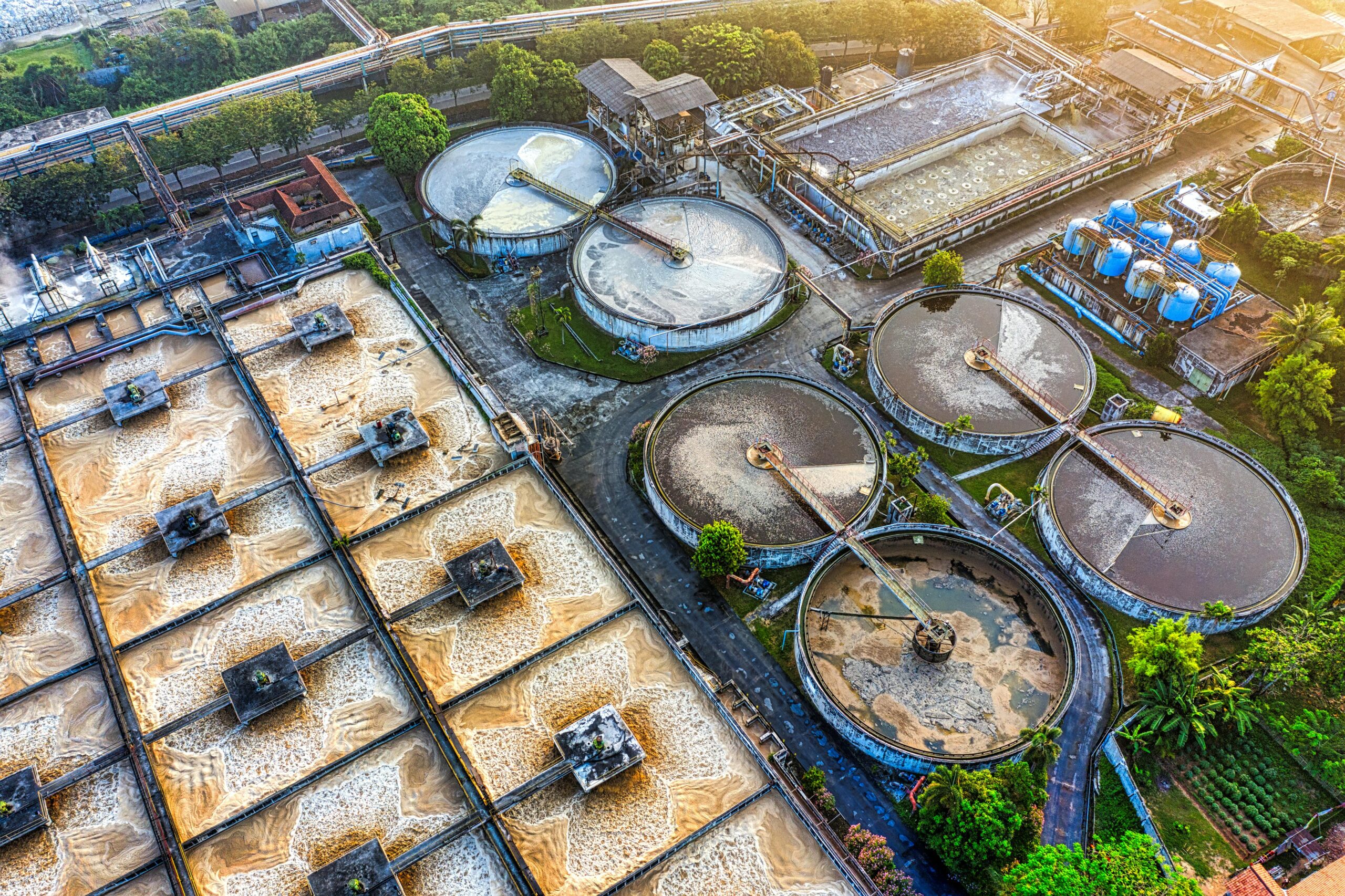
Water usage efficiency forms a critical evaluation criterion. Certified facilities must demonstrate responsible water management, including recycling systems, contamination prevention, and watershed protection initiatives. Many standards require water usage reduction targets with measurable milestones.
Carbon footprint assessment encompasses direct emissions from production processes and indirect emissions from energy consumption and transportation. Companies must document baseline measurements and implement reduction strategies with annual progress reports.
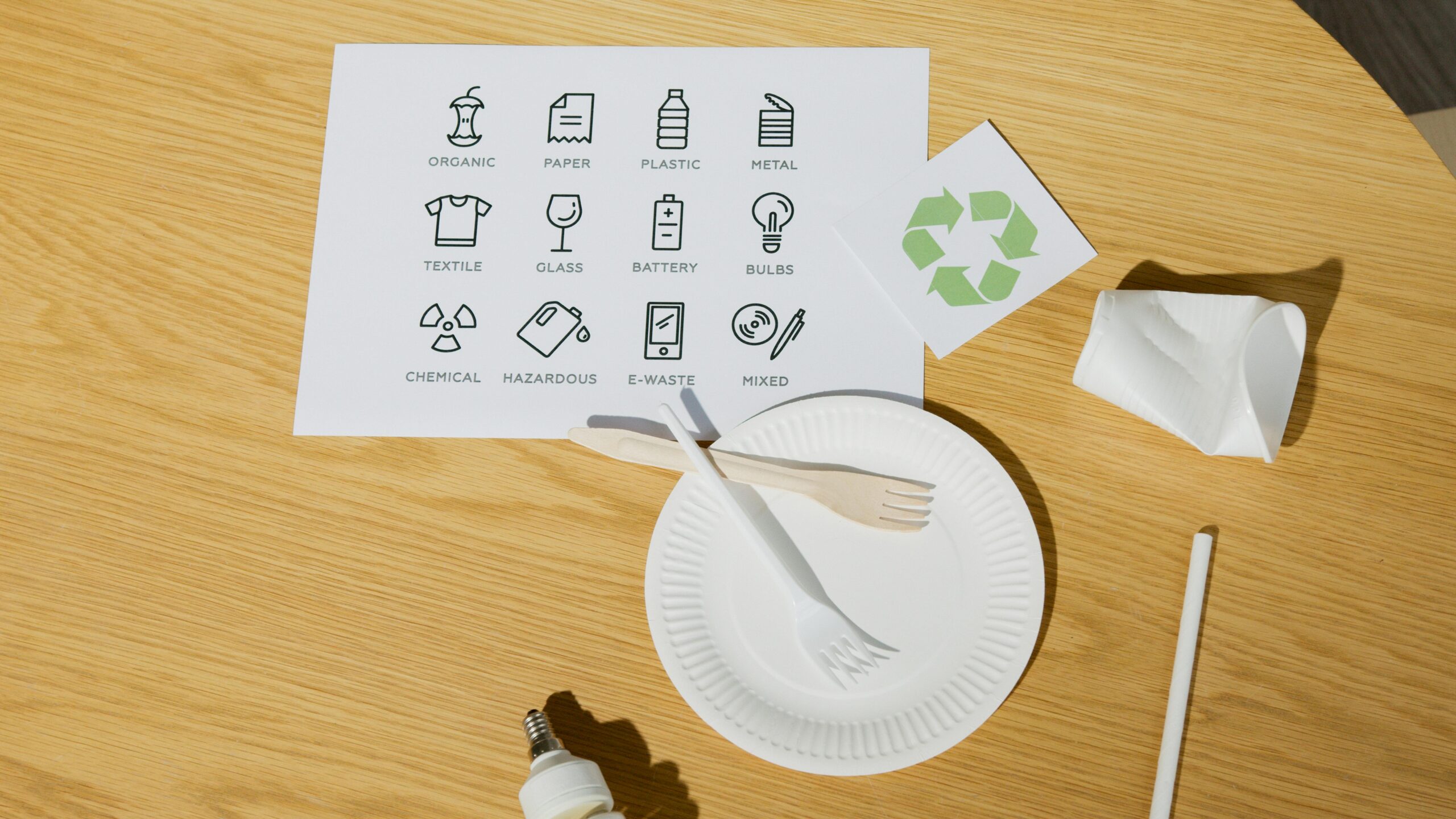
Waste management protocols extend beyond basic recycling. Certified operations must minimize waste generation at source, maximize material reuse, and ensure responsible disposal of unavoidable waste streams. Circular economy principles guide these requirements, encouraging closed-loop systems wherever feasible.
Chemical Management and Toxicity Reduction
Certified Clean standards mandate strict controls on hazardous substances. This includes comprehensive chemical inventories, safety data sheet management, and substitution programs that replace dangerous compounds with safer alternatives.
Agricultural certifications specifically address pesticide and fertilizer usage, requiring integrated pest management approaches that minimize chemical inputs. Soil health monitoring ensures long-term land productivity without degradation.
Labor Standards and Social Responsibility
Sustainable production inherently includes human welfare considerations. Certification programs verify fair wages, safe working conditions, reasonable hours, and freedom from discrimination or harassment. Supply chain transparency extends these requirements to subcontractors and material suppliers.
Community impact assessments evaluate how production facilities affect surrounding populations. Noise pollution, traffic patterns, air quality, and economic contributions all factor into comprehensive certification evaluations.
Implementation Roadmap for Businesses
Transitioning to Certified Clean standards requires strategic planning and phased implementation. Successful organizations approach certification as a journey rather than a destination, building capacity systematically over time.
📊 Assessment and Gap Analysis
Initial evaluation identifies current practices against certification requirements. Third-party consultants often facilitate this process, providing objective assessments that highlight both strengths and improvement areas.
Gap analysis results inform strategic planning, helping leadership allocate resources effectively. Prioritization typically focuses on high-impact changes that address multiple certification criteria simultaneously, maximizing return on investment.
Infrastructure Investment and Process Redesign
Physical modifications might include upgraded filtration systems, renewable energy installations, or material handling equipment that reduces spillage and contamination. While capital-intensive, these investments frequently pay for themselves through operational savings.
Process redesign often yields substantial improvements without major capital expenditure. Workflow optimization, inventory management refinements, and maintenance scheduling adjustments can dramatically reduce waste and energy consumption.
Training and Culture Development
Employee engagement determines implementation success more than any other factor. Comprehensive training programs ensure workers understand new protocols and their importance. Companies report best results when front-line employees participate in designing improved processes.
Leadership commitment sets organizational tone. When executives visibly prioritize sustainability and allocate resources accordingly, certification goals become embedded in company culture rather than remaining isolated compliance exercises.
🌱 Industry-Specific Applications
Different sectors face unique challenges in achieving Certified Clean status. Tailored approaches address industry-specific concerns while maintaining core sustainability principles.
Manufacturing and Industrial Production
Heavy industry faces particular scrutiny regarding emissions and resource consumption. Advanced manufacturing facilities increasingly adopt Industry 4.0 technologies that enable real-time monitoring of environmental parameters, allowing immediate adjustments that prevent violations.
Closed-loop manufacturing systems recapture heat, water, and materials that traditional processes waste. These innovations often provide competitive advantages beyond certification compliance, improving product quality while reducing costs.
Agriculture and Food Production
Certified Clean agricultural practices emphasize soil health, biodiversity preservation, and water conservation. Regenerative agriculture techniques that actually improve land quality over time represent the leading edge of these standards.
Food processing facilities must address both environmental concerns and food safety requirements. Integrated management systems that coordinate these objectives prevent redundant processes and documentation burdens.
Textiles and Apparel
The fashion industry faces intense pressure to reform production practices. Certified Clean textile facilities demonstrate responsible chemical usage, water treatment, and fair labor conditions. Consumer awareness in this sector drives particularly strong market advantages for certified brands.
Fiber sourcing certifications ensure raw materials come from sustainable sources, whether organic cotton, responsibly managed forests, or recycled materials. Full supply chain transparency increasingly distinguishes premium brands from competitors.
Technology Enablers for Sustainable Production
Digital tools and advanced technologies dramatically simplify compliance monitoring and continuous improvement efforts. Smart sensors, data analytics, and automation capabilities make Certified Clean standards more achievable than ever before.
⚙️ Internet of Things and Real-Time Monitoring
IoT devices provide continuous data streams on energy consumption, water usage, emissions, and waste generation. This granular information enables predictive maintenance that prevents equipment failures causing environmental incidents.
Cloud-based dashboards consolidate data from multiple facilities, allowing corporate sustainability teams to identify patterns, benchmark performance, and allocate improvement resources strategically. Machine learning algorithms detect anomalies that human observers might miss.
Blockchain for Supply Chain Transparency
Distributed ledger technology creates immutable records of material origins and handling procedures. Certified Clean standards increasingly incorporate blockchain verification, particularly for industries with complex global supply chains.
Consumers can access product provenance information through simple smartphone scans, verifying certification claims independently. This transparency builds trust while making fraudulent certification claims virtually impossible.
Regulatory Landscape and Policy Support
Government policies increasingly mandate or incentivize sustainable production standards. Understanding regulatory trajectories helps businesses anticipate requirements and avoid costly retrofits.
Incentive Programs and Financial Support
Tax credits, grants, and low-interest loans support businesses pursuing certification. Many jurisdictions offer accelerated depreciation for qualifying sustainability investments, improving project economics significantly.
Public procurement preferences create substantial market opportunities for certified businesses. Government contracts worth billions annually now include sustainability requirements that favor Certified Clean suppliers.
Emerging Regulatory Requirements
Extended producer responsibility laws shift end-of-life product management costs to manufacturers. These regulations incentivize design for durability, repairability, and recyclability—principles aligned with Certified Clean standards.
Carbon pricing mechanisms, whether taxes or cap-and-trade systems, make emission reductions financially advantageous. Companies implementing certified standards ahead of mandates gain competitive advantages as regulations tighten.
🚀 Future Trajectories in Production Standards
The evolution of Certified Clean frameworks continues accelerating as scientific understanding advances and stakeholder expectations rise. Forward-thinking businesses anticipate these developments rather than reactively responding.
Regenerative and Net-Positive Approaches
Next-generation standards move beyond harm reduction toward active environmental restoration. Regenerative certification requires operations to leave ecosystems healthier than found, setting aspirational goals that drive innovation.
Net-positive targets mandate that facilities contribute more value—through carbon sequestration, habitat creation, or community benefit—than they extract. These ambitious frameworks represent the frontier of sustainable production.
Integration with Circular Economy Principles
Future certification standards will likely emphasize material circularity more explicitly. Product design for disassembly, standardized components for remanufacturing, and material passports tracking composition will become standard requirements.
Service-based business models that retain product ownership while providing functionality represent emerging alternatives to traditional manufacturing. These approaches naturally align with circular economy principles and may influence certification criteria evolution.
Building Resilience Through Sustainable Practices
Climate change and resource scarcity create operational risks that Certified Clean standards directly address. Companies implementing these frameworks build resilience against supply disruptions, regulatory changes, and market volatility.
Diversified energy sources reduce vulnerability to fossil fuel price fluctuations. Water efficiency protects operations in regions facing drought. Local sourcing strategies insulate supply chains from international shipping disruptions.
The competitive advantages of certification compound over time. Early adopters establish market position and organizational capabilities that become increasingly difficult for competitors to replicate. Leadership in sustainability standards correlates strongly with overall business performance and longevity.
✨ Creating Momentum for Industry-Wide Transformation
Individual companies achieving certification create ripple effects throughout their industries. Suppliers upgrade practices to maintain relationships with certified customers. Competitors respond to market pressure from sustainability-conscious consumers. Industry associations elevate baseline expectations for all participants.
Collaborative approaches accelerate progress more effectively than isolated efforts. Industry consortia sharing best practices, standardizing measurement methodologies, and advocating for supportive policies amplify individual company initiatives.
The transition to Certified Clean production standards represents one of the defining business transformations of our era. Organizations embracing this evolution position themselves for long-term success while contributing to environmental stewardship and social equity. The question is no longer whether to pursue certification, but how quickly businesses can implement the comprehensive changes required to thrive in an increasingly sustainability-focused marketplace.
Investment in Certified Clean standards delivers returns across multiple dimensions—financial performance, brand value, regulatory compliance, and stakeholder relationships. As awareness grows and requirements tighten, the competitive advantages of early adoption will only intensify, making today the optimal time for businesses to begin their certification journey.