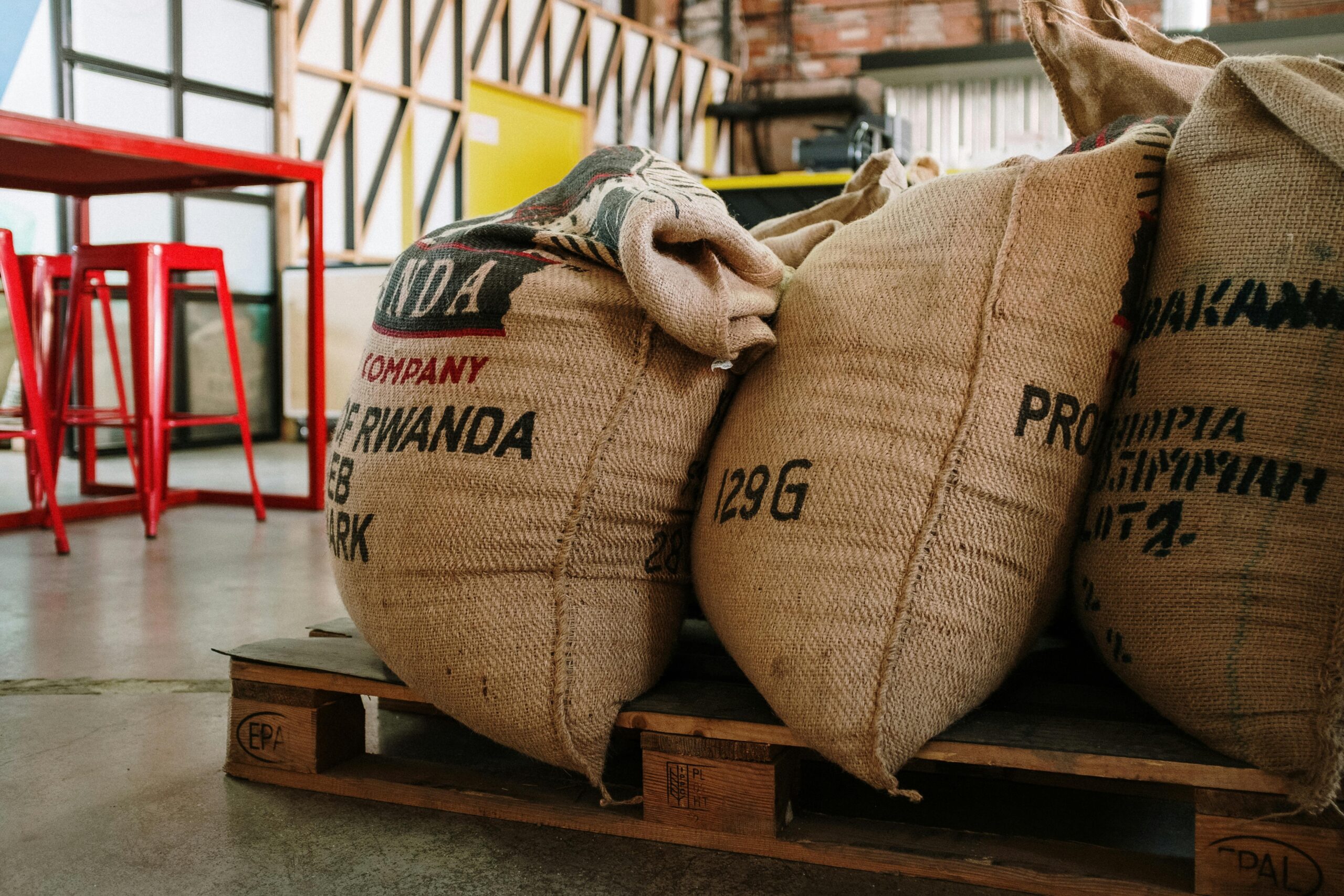
Manufacturing industries worldwide are embracing biodegradable inputs as a cornerstone of green technology, transforming production processes while addressing environmental challenges that threaten our planet’s future.

The manufacturing sector has long been recognized as one of the largest contributors to environmental degradation, accounting for significant portions of global carbon emissions, waste generation, and resource depletion. However, a paradigm shift is underway as companies increasingly recognize that sustainability and profitability are not mutually exclusive. Green technology, particularly the integration of biodegradable inputs into manufacturing processes, represents a revolutionary approach that promises to reshape industrial production for generations to come.
This transformation extends far beyond simple material substitution. It encompasses a fundamental reimagining of how we design, produce, and dispose of products. Biodegradable inputs offer manufacturers the opportunity to create goods that function effectively during their useful life while breaking down naturally at the end of their lifecycle, leaving minimal environmental footprint. This circular approach to manufacturing represents a stark departure from the traditional linear “take-make-waste” model that has dominated industrial production since the Industrial Revolution.
🌱 Understanding Biodegradable Inputs in Modern Manufacturing
Biodegradable inputs refer to raw materials and components that can be decomposed by microorganisms, bacteria, and fungi into natural elements such as water, carbon dioxide, and biomass. Unlike conventional petroleum-based plastics and synthetic materials that persist in the environment for centuries, biodegradable materials return to nature within months or years, depending on environmental conditions.
The spectrum of biodegradable inputs available to manufacturers has expanded dramatically in recent years. Polylactic acid (PLA), derived from fermented plant starch, has become a popular alternative to conventional plastics in packaging and consumer goods. Polyhydroxyalkanoates (PHAs), produced by bacterial fermentation of sugars or lipids, offer superior biodegradability even in marine environments. Natural fibers such as hemp, bamboo, and mycelium are revolutionizing textile and construction industries.
These materials are not simply eco-friendly alternatives; many offer performance characteristics that rival or exceed their synthetic counterparts. Advanced biodegradable polymers can be engineered to provide specific mechanical properties, thermal resistance, and durability required for demanding applications. This versatility makes them suitable for industries ranging from automotive manufacturing to medical devices.
The Environmental Imperative Driving Green Manufacturing 🌍
The urgency behind adopting biodegradable inputs stems from mounting environmental evidence. Plastic pollution has reached crisis proportions, with an estimated 8 million tons entering our oceans annually. Microplastics have been detected in human blood, food chains, and even remote Arctic ice. The persistence of non-biodegradable materials in ecosystems disrupts wildlife, contaminates water sources, and contributes to climate change through their production and disposal processes.
Traditional manufacturing also depletes finite resources at unsustainable rates. Petroleum-based materials require fossil fuel extraction, a process associated with habitat destruction, greenhouse gas emissions, and geopolitical conflicts. In contrast, biodegradable inputs often utilize renewable resources such as agricultural byproducts, algae, or fast-growing crops that can be cultivated sustainably without competing with food production.
Climate change adds another layer of urgency. Manufacturing accounts for approximately 20% of global carbon emissions. Transitioning to biodegradable inputs typically requires less energy during production and eliminates the emissions associated with long-term waste management. When biodegradable materials decompose in controlled composting environments, they can even contribute to carbon sequestration rather than releasing methane in landfills.
Regulatory Pressures and Consumer Expectations
Governments worldwide are implementing stricter environmental regulations that favor biodegradable materials. The European Union’s Single-Use Plastics Directive, California’s various packaging regulations, and China’s plastic waste import ban exemplify policy trends that make biodegradable inputs not just environmentally responsible but legally necessary for market access.
Consumer preferences are evolving even faster than regulations. Research consistently shows that consumers, particularly younger demographics, prefer brands demonstrating environmental responsibility. Companies adopting biodegradable inputs benefit from enhanced brand reputation, customer loyalty, and premium pricing opportunities. This consumer pressure creates a competitive advantage for early adopters of green technology.
Revolutionary Applications Across Manufacturing Sectors 🏭
The integration of biodegradable inputs is transforming diverse manufacturing sectors, each discovering unique applications that balance performance requirements with environmental benefits.
Packaging Industry Transformation
Packaging represents perhaps the most visible application of biodegradable inputs. Companies are replacing traditional plastic packaging with materials derived from cornstarch, sugarcane, seaweed, and mushroom mycelium. These alternatives maintain product protection, shelf life, and visual appeal while decomposing harmlessly after disposal.
Innovative startups are developing edible packaging for food products, water-soluble films for detergent pods, and compostable mailers for e-commerce shipments. Major corporations including Unilever, Nestlé, and Amazon have committed to transitioning significant portions of their packaging to biodegradable materials within the next decade.
Textile and Fashion Industries
The fashion industry, notorious for environmental impact, is embracing biodegradable fibers. Beyond traditional natural materials like cotton and wool, manufacturers are developing innovative fabrics from banana stems, pineapple leaves, orange peels, and even bacteria-grown cellulose. These materials offer unique textures, performance characteristics, and sustainability credentials that appeal to eco-conscious consumers.
Biodegradable textiles address the problem of microfiber pollution from synthetic fabrics. When clothes made from biodegradable materials shed fibers during washing, these particles break down naturally rather than accumulating in waterways and food chains.
Construction and Building Materials
Construction is discovering that biodegradable inputs can create durable, functional building materials. Mycelium-based insulation provides excellent thermal properties while growing into custom shapes. Hemp-based concrete (hempcrete) offers carbon-negative construction material that sequesters more carbon than is released during production. Biodegradable composites reinforced with natural fibers are replacing fiberglass in non-structural applications.
Automotive and Transportation
Automotive manufacturers are incorporating biodegradable materials into interior components, reducing vehicle weight while maintaining safety standards. Natural fiber composites derived from flax, hemp, and kenaf reinforce dashboard components, door panels, and seat structures. These materials offer weight savings that improve fuel efficiency while providing end-of-life disposal solutions.
Technological Innovations Enabling the Transition ⚙️
The widespread adoption of biodegradable inputs depends on continuous technological advancement. Researchers and manufacturers are overcoming initial limitations through innovative approaches to material science, processing techniques, and quality control.
Advanced Material Engineering
Modern biodegradable materials bear little resemblance to early attempts that often suffered from poor performance. Through molecular engineering, manufacturers can now customize biodegradation rates, mechanical strength, water resistance, and temperature tolerance. Nanomaterial additives enhance properties without compromising biodegradability.
Hybrid materials combining multiple biodegradable components create synergistic properties impossible with single materials. For example, blending PLA with natural fibers produces composites with enhanced strength and stiffness while maintaining full biodegradability.
Processing Technology Adaptations
Manufacturing equipment designed for conventional materials often requires modification for biodegradable inputs. However, technological advances are making these transitions increasingly seamless. Extrusion, injection molding, and thermoforming processes have been adapted to accommodate the unique characteristics of biodegradable polymers, including lower processing temperatures and different cooling requirements.
Digital technologies including artificial intelligence and machine learning optimize processing parameters in real-time, compensating for the natural variability in bio-based materials and ensuring consistent quality. Sensor technologies monitor biodegradation rates under various conditions, helping manufacturers design products with appropriate lifespans.
Economic Considerations and Business Cases 💼
The economic viability of biodegradable inputs has improved dramatically, though challenges remain. Initial material costs often exceed conventional alternatives, but comprehensive lifecycle analysis reveals more favorable economics when considering disposal costs, regulatory compliance, brand value, and market positioning.
Production scale significantly influences costs. As demand for biodegradable materials increases, economies of scale drive prices downward. The price differential between PLA and petroleum-based plastics has narrowed considerably, and some predict price parity within the next five years for high-volume applications.
Companies adopting biodegradable inputs often discover unexpected economic benefits. Reduced waste management costs, tax incentives for sustainable practices, access to green financing options, and premium pricing opportunities all contribute to favorable return on investment. Additionally, anticipating regulatory changes by adopting biodegradable inputs proactively avoids costly future transitions.
Supply Chain Considerations
Transitioning to biodegradable inputs requires supply chain adaptations. Manufacturers must identify reliable suppliers, ensure consistent material quality, and potentially redesign products to accommodate different material properties. However, supply chain diversification away from petroleum dependence provides strategic advantages including price stability and reduced geopolitical risk.
Collaborative approaches are emerging where manufacturers partner with agricultural producers, creating closed-loop systems where agricultural waste becomes manufacturing input. These partnerships provide farmers additional revenue streams while ensuring manufacturers consistent supply of raw materials.
Overcoming Implementation Challenges 🚀
Despite tremendous progress, transitioning to biodegradable inputs presents challenges that manufacturers must navigate strategically.
Performance and Durability Balance
Products must maintain functionality throughout their intended use while biodegrading appropriately afterward. This requires careful material selection and design. A biodegradable food container must resist moisture and maintain structural integrity until emptied, then decompose relatively quickly. Achieving this balance requires sophisticated understanding of material science and environmental conditions.
Infrastructure for End-of-Life Processing
Many biodegradable materials require specific conditions for optimal decomposition, typically found in industrial composting facilities. However, such infrastructure remains limited in many regions. This creates a potential disconnect where biodegradable products end up in landfills where conditions don’t support proper breakdown.
Addressing this challenge requires coordinated efforts among manufacturers, policymakers, and waste management companies to expand composting infrastructure and consumer education programs. Some manufacturers are developing materials that biodegrade effectively in diverse environments, including home composting and even marine conditions.
Standardization and Certification
The biodegradable materials landscape lacks universal standards, creating confusion for manufacturers and consumers. Various certification schemes including ASTM D6400, EN 13432, and OK Compost provide guidance, but differences between standards complicate international trade and consumer understanding.
Industry collaboration is addressing this fragmentation through harmonized standards that provide clear, verifiable criteria for biodegradability claims. These standards help prevent “greenwashing” while giving consumers confidence in product environmental credentials.
Future Horizons: What’s Next for Green Manufacturing? 🔮
The trajectory of biodegradable inputs in manufacturing points toward increasingly sophisticated applications and broader adoption across industries. Several emerging trends will shape the next phase of this revolution.
Smart Biodegradable Materials
Researchers are developing biodegradable materials with embedded intelligence that respond to environmental conditions. These materials could indicate freshness in food packaging, deliver medications at controlled rates, or accelerate biodegradation when triggered by specific conditions. Such innovations expand applications while maintaining environmental benefits.
Localized Production Systems
Advances in biotechnology enable localized production of biodegradable materials using regional agricultural resources or even cellular agriculture. This decentralization reduces transportation emissions, supports local economies, and creates resilient supply chains less vulnerable to global disruptions.
Integration with Circular Economy Models
Biodegradable inputs fit naturally within circular economy frameworks where waste becomes input for new production cycles. Composted biodegradable materials return nutrients to soil, supporting agriculture that produces feedstocks for manufacturing. This closed-loop approach eliminates waste concept entirely, creating regenerative systems that enhance rather than deplete environmental resources.
Corporate Leadership and Industry Transformation 🌟
Progressive companies are demonstrating that biodegradable inputs represent competitive advantage rather than costly burden. Industry leaders across sectors are committing to ambitious sustainability targets that prioritize biodegradable materials.
These pioneers are discovering that sustainability drives innovation, forcing creative problem-solving that often yields unexpected benefits. Designing products around biodegradable materials constraints encourages efficiency, multifunctionality, and aesthetic innovation that differentiates brands in crowded markets.
Collaboration accelerates progress more effectively than competition in this space. Industry consortiums share research findings, develop common standards, and advocate for supportive policies. This collaborative approach benefits entire industries rather than individual companies, expanding markets for biodegradable inputs and accelerating technological advancement.
Empowering the Sustainable Manufacturing Revolution 🌿
The integration of biodegradable inputs into manufacturing represents far more than material substitution. It signals a fundamental transformation in how humanity produces goods, values resources, and relates to the natural environment. This revolution acknowledges that industrial prosperity and environmental stewardship are not opposing forces but complementary objectives essential for long-term survival and prosperity.
Manufacturers adopting green technology today position themselves advantageously for tomorrow’s market realities. Regulatory trends, consumer preferences, resource constraints, and climate imperatives all point toward biodegradable inputs becoming industry standard rather than niche alternative. Early adopters gain expertise, develop supply chains, build brand equity, and influence standards that shape industry evolution.
The path forward requires commitment from multiple stakeholders. Manufacturers must invest in research, retool production, and embrace new business models. Policymakers must create regulatory frameworks and infrastructure that support biodegradable materials. Consumers must recognize environmental value and make purchasing decisions accordingly. Investors must fund innovation and reward sustainable practices with capital allocation.
Technology alone cannot solve environmental challenges, but biodegradable inputs demonstrate how innovation applied thoughtfully creates solutions that benefit business, society, and nature simultaneously. The manufacturing revolution powered by green technology and biodegradable materials offers tangible hope that human ingenuity, properly directed, can create a sustainable future where industrial activity regenerates rather than degrades the ecosystems upon which all life depends.
As this transformation accelerates, the question facing manufacturers is not whether to adopt biodegradable inputs, but how quickly they can transition to capture the environmental, economic, and strategic advantages these materials provide. The sustainable future of manufacturing is being built today by companies courageous enough to reimagine production through the lens of ecological responsibility and innovative enough to turn environmental constraints into competitive advantages that benefit everyone.