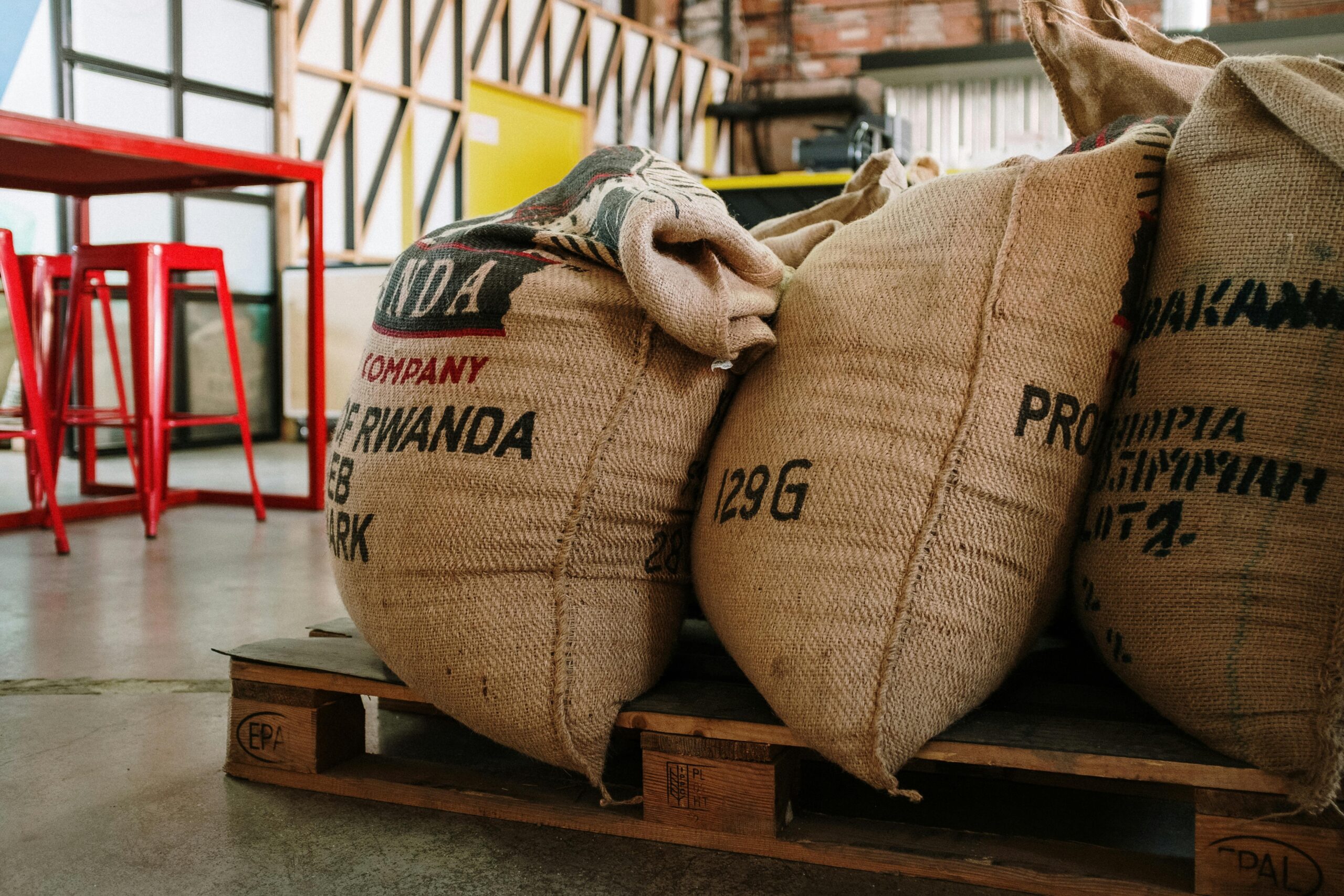
Green innovation is reshaping how small-scale producers operate, offering pathways to minimize environmental impact while maintaining profitability and competitive advantage in an increasingly eco-conscious marketplace.

🌱 The Rising Imperative of Sustainable Micro-Production
The global push toward sustainability has transformed from a voluntary corporate social responsibility initiative into a fundamental business requirement. Micro-producers—small-scale manufacturers, artisans, cottage industries, and independent creators—find themselves at a critical juncture where environmental responsibility intersects with economic viability. Unlike large corporations with extensive resources, these smaller operations must innovate cleverly, implementing low-emission solutions that don’t compromise their limited budgets or operational flexibility.
Recent studies indicate that small and medium enterprises collectively contribute to approximately 70% of industrial pollution worldwide. This staggering statistic highlights both the challenge and the opportunity within the micro-production sector. When individual producers adopt green innovations, the cumulative environmental impact becomes substantial, creating ripple effects throughout supply chains and consumer markets.
The beauty of micro-production lies in its inherent advantages: agility, direct customer relationships, and the ability to implement changes quickly without navigating complex corporate hierarchies. These characteristics position small producers perfectly to become pioneers in sustainable manufacturing practices, setting examples that larger entities might struggle to replicate with their established infrastructures.
Understanding the Carbon Footprint of Small-Scale Manufacturing
Before designing sustainable solutions, micro-producers must understand where emissions originate within their operations. The carbon footprint of small-scale production typically stems from several key sources: energy consumption during manufacturing, raw material extraction and transportation, waste generation, packaging materials, and product distribution networks.
Energy consumption often represents the largest controllable emission source for micro-producers. Traditional manufacturing processes rely heavily on fossil-fuel-derived electricity, with heating, cooling, and machinery operation consuming substantial power. Even seemingly modest operations—a small pottery studio, a craft brewery, or a textile workshop—can generate significant emissions through continuous equipment operation and climate control requirements.
Material selection creates another critical emission point. The environmental cost of raw materials extends far beyond the production facility, encompassing extraction, processing, and transportation. A furniture maker using tropical hardwoods, for instance, contributes to deforestation and long-distance shipping emissions, whereas one utilizing reclaimed local wood dramatically reduces environmental impact while potentially enhancing product storytelling and market appeal.
Measuring What Matters: Carbon Accounting for Small Producers
Effective emission reduction begins with accurate measurement. While comprehensive carbon accounting software exists for large corporations, micro-producers need accessible, affordable tools that provide meaningful insights without requiring specialized expertise or significant time investment.
Several simplified carbon calculators specifically designed for small businesses have emerged, allowing producers to estimate emissions across different operational categories. These tools typically require basic information about energy consumption, material usage, transportation methods, and waste generation, producing actionable reports that highlight the most impactful areas for improvement.
Understanding emission baselines empowers micro-producers to set realistic reduction targets and track progress over time. This data becomes invaluable not only for internal improvement but also for communicating sustainability credentials to increasingly environmentally conscious consumers who seek transparency about the products they purchase.
⚡ Energy Innovation: Powering Production Sustainably
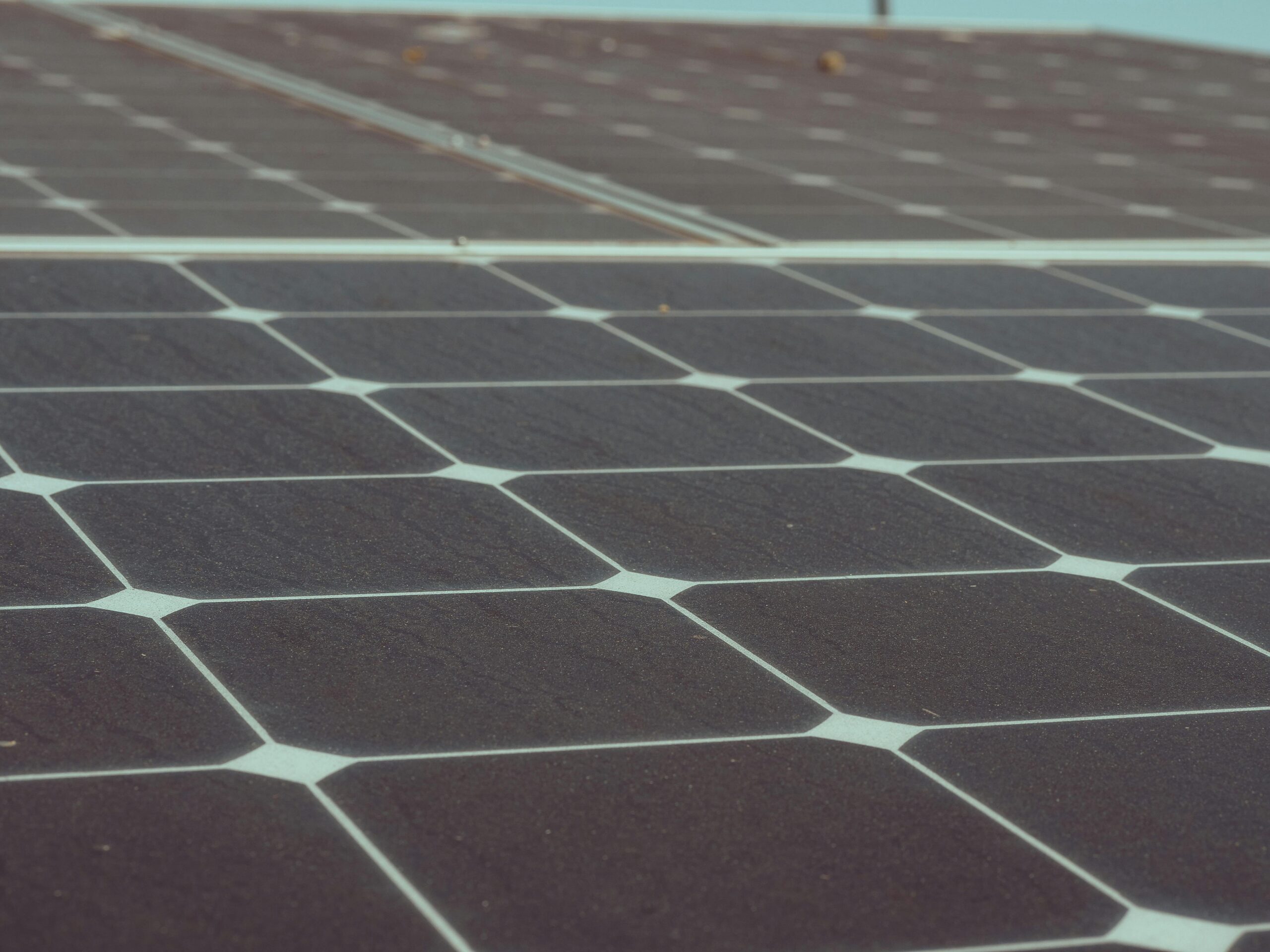
Transitioning to renewable energy sources represents perhaps the single most impactful change micro-producers can implement to reduce emissions. Solar power systems have become increasingly affordable and accessible, with modular installations allowing small producers to scale renewable capacity according to their specific energy needs and financial capabilities.
A small-scale food producer in California, for example, installed a modest 5-kilowatt solar array that now covers approximately 60% of daily energy requirements, reducing annual emissions by roughly 4 tons of CO2 while cutting electricity costs by nearly half. The system paid for itself within six years through energy savings alone, with ongoing operational costs remaining minimal.
Beyond solar installations, micro-producers can explore community renewable energy programs, green energy tariffs from utility providers, and energy cooperatives that aggregate purchasing power for better rates on sustainably sourced electricity. These options provide emission reductions without requiring significant capital investment or facility modifications.
Energy Efficiency: The Often-Overlooked Foundation
Before investing in renewable generation, micro-producers should optimize energy consumption through efficiency improvements. LED lighting upgrades, improved insulation, programmable thermostats, and energy-efficient equipment often deliver quick payback periods while reducing the size of renewable systems needed to achieve emission targets.
Equipment selection significantly impacts long-term energy consumption. When replacing machinery or tools, prioritizing energy-efficient models—even when initial costs run slightly higher—typically proves economical over the equipment’s operational lifespan while reducing emissions substantially. Modern manufacturing equipment often incorporates smart features that minimize idle power consumption and optimize operational efficiency automatically.
Process optimization represents another efficiency opportunity frequently overlooked by small producers. Batch scheduling to minimize equipment warm-up cycles, strategic production timing to leverage natural lighting and favorable temperatures, and workflow redesign to reduce unnecessary material movement all contribute to lower energy consumption without requiring capital investment.
🔄 Material Innovation: Rethinking Resources and Waste
The circular economy concept—designing waste out of systems while keeping materials in productive use—offers tremendous potential for micro-producers. Unlike linear “take-make-dispose” models, circular approaches view waste as a design flaw rather than an inevitable byproduct, fundamentally reconceptualizing production systems.
Material selection drives circular potential. Prioritizing renewable, recycled, or upcycled inputs reduces embodied emissions while often creating compelling brand narratives. A small cosmetics producer switching from virgin plastic packaging to containers made from ocean-recovered plastic not only reduces emissions but also differentiates products in competitive markets where sustainability increasingly influences purchasing decisions.
Waste stream analysis reveals opportunities that might otherwise remain invisible. What one producer considers waste might serve as valuable raw material for another, creating symbiotic relationships that benefit both parties while reducing collective emissions. Industrial ecology networks facilitate these connections, helping small producers identify potential material exchanges within their geographic or sectoral communities.
Design for Longevity and Disassembly
Product design profoundly influences lifecycle emissions. Micro-producers can incorporate durability principles that extend product lifespans, reducing replacement frequency and associated manufacturing emissions. Modular designs that facilitate repair and component replacement further enhance sustainability while potentially creating ongoing customer relationships through maintenance and upgrade services.
Design for disassembly considers end-of-life scenarios during the creation phase, ensuring products can be easily separated into constituent materials for recycling or upcycling. This approach requires minimal additional cost during production while dramatically improving environmental outcomes when products eventually reach retirement.
Take-back programs, where producers reclaim used products for refurbishment or material recovery, close loops while generating secondary revenue streams. A small electronics manufacturer implementing a take-back initiative, for instance, recovers valuable components and materials while reducing the environmental burden of consumer disposal and mining new resources.
🚚 Transportation and Distribution: Moving Products Responsibly
Transportation emissions often receive less attention from micro-producers focused on manufacturing processes, yet distribution can represent a significant portion of total product footprint. Geographic positioning, shipping method selection, and packaging design all influence transportation-related emissions substantially.
Local market focus naturally reduces transportation distances and associated emissions while often commanding premium pricing from consumers valuing locally-produced goods. Micro-producers can leverage their small scale as a competitive advantage, emphasizing proximity to customers and freshness or customization unavailable from distant mass producers.
When broader distribution proves necessary, consolidating shipments, selecting efficient carriers, and offering carbon-neutral shipping options demonstrate environmental commitment. Several logistics providers now offer carbon offset programs specifically designed for small shippers, neutralizing transportation emissions at modest additional cost.
Packaging: Protection Meets Sustainability
Packaging represents a visible sustainability statement that directly influences consumer perception. Biodegradable materials, minimalist designs that reduce material usage, and reusable packaging systems all reduce emissions while communicating environmental values effectively.
Innovative micro-producers have developed creative packaging solutions that eliminate waste entirely. Edible packaging for food products, seed-embedded paper that customers can plant, and deposit-return systems for durable containers transform packaging from disposal burden to value-added product feature.
Right-sizing packaging prevents wasted space during transportation, allowing more products per shipment and reducing per-unit emissions. Digital design tools help small producers optimize packaging dimensions for standard shipping containers and pallets, maximizing efficiency without requiring expensive custom solutions.
💡 Technology Enablers for Sustainable Micro-Production
Digital technologies increasingly democratize access to sophisticated sustainability tools previously available only to large corporations. Cloud-based platforms, mobile applications, and connected devices provide micro-producers with real-time data, optimization recommendations, and collaborative networks that accelerate green innovation adoption.
Production monitoring systems track energy consumption, material usage, and waste generation at granular levels, identifying inefficiencies and improvement opportunities that might otherwise escape notice. These systems have become affordable and user-friendly, with many designed specifically for small-scale operators without dedicated IT resources.
Supply chain transparency platforms help micro-producers verify the sustainability credentials of suppliers and materials, ensuring that green commitments extend beyond their immediate operations. Blockchain-based systems provide immutable records of material provenance, allowing producers to credibly communicate sustainability claims to skeptical consumers demanding proof rather than promises.
Collaborative Platforms: Sharing Knowledge and Resources
Online communities and collaborative platforms connect micro-producers facing similar sustainability challenges, facilitating knowledge exchange, bulk purchasing cooperatives for green materials, and shared resource investments that individual producers couldn’t justify independently.
Equipment sharing arrangements reduce both costs and embodied emissions by maximizing utilization of specialized machinery. A community woodshop, for example, provides access to professional-grade tools for multiple producers who couldn’t individually afford or fully utilize such equipment, reducing collective environmental impact while enhancing product quality.
Digital marketplaces specifically focused on sustainable products help micro-producers reach environmentally conscious consumers without expensive marketing campaigns. These platforms curate offerings based on verified sustainability criteria, providing credibility that individual small producers struggle to establish independently while charging reasonable commissions that reflect the value they create.
🌍 Financing Green Transitions: Making Sustainability Economically Viable
Capital constraints often prevent micro-producers from implementing desired sustainability improvements. Fortunately, expanding financing options specifically target green innovations, recognizing both environmental benefits and long-term economic advantages of low-emission operations.
Green bonds, sustainability-linked loans, and specialized grant programs provide funding with favorable terms for qualifying environmental projects. Government agencies, non-profit organizations, and progressive financial institutions increasingly offer these instruments to small producers, acknowledging the critical role of micro-enterprises in achieving broader climate objectives.
Crowdfunding platforms enable producers to finance sustainability transitions while simultaneously building customer communities invested in their success. Campaigns emphasizing environmental improvements often resonate strongly with backers, generating not only capital but also brand ambassadors who promote products within their networks.
Calculating Returns: Beyond Simple Payback
Traditional financial analysis sometimes obscures the full value of sustainability investments by focusing narrowly on direct cost savings. Comprehensive evaluation should incorporate risk mitigation (regulatory compliance, resource price volatility), market positioning advantages, employee attraction and retention, and brand value enhancement—factors increasingly material to business success but often excluded from standard calculations.
Customer willingness to pay premiums for sustainably produced goods continues growing across numerous product categories. Micro-producers effectively communicating genuine environmental commitments often command price advantages that dramatically improve the economics of green innovations while simultaneously benefiting from customer loyalty that transcends price-based competition.
🎯 Measuring Impact: Communicating Sustainability Credibly
As greenwashing concerns intensify, consumers increasingly demand verifiable proof of environmental claims. Third-party certifications, transparent reporting, and standardized metrics help micro-producers communicate sustainability achievements credibly without requiring marketing budgets comparable to large competitors.
Life cycle assessment (LCA) methodologies, once prohibitively complex and expensive for small producers, now exist in simplified formats that provide meaningful insights about products’ total environmental impact from raw material extraction through end-of-life disposal. These assessments identify hotspots for improvement while generating data for credible marketing claims.
Carbon labeling—displaying products’ carbon footprints directly on packaging or marketing materials—transforms abstract environmental commitments into concrete, comparable information that influences purchasing decisions. Several standardized labeling schemes now accommodate small producers, offering certification at accessible price points while providing recognizable symbols that consumers trust.
🚀 Future Horizons: Emerging Opportunities in Sustainable Micro-Production
Green innovation continues accelerating, with emerging technologies and business models creating unprecedented opportunities for micro-producers to reduce emissions while enhancing competitiveness. Biomanufacturing utilizing engineered microorganisms to produce materials, distributed manufacturing networks reducing transportation needs, and artificial intelligence optimization of production processes all represent frontier opportunities becoming accessible to smaller operators.
Policy environments increasingly favor sustainable production through carbon pricing mechanisms, regulatory requirements, and procurement preferences. Micro-producers positioning themselves ahead of these trends gain first-mover advantages while avoiding rushed, expensive compliance efforts when regulations inevitably tighten.
Consumer consciousness continues shifting toward sustainability as a primary rather than secondary purchasing consideration. Younger demographics particularly demonstrate willingness to align spending with environmental values, creating expanding markets for authentically sustainable products from micro-producers who embody the transparency and purpose-driven ethos these consumers seek.
The pathway forward combines technological innovation, business model creativity, collaborative approaches, and unwavering commitment to environmental stewardship. Micro-producers embracing green innovation today position themselves not merely as compliant operators meeting minimum standards, but as leaders shaping the sustainable economy of tomorrow—proving that environmental responsibility and business success are not competing priorities but complementary imperatives driving lasting prosperity.
Sustainable micro-production represents more than emission reduction; it embodies a fundamental reimagining of how we create value, serve customers, and participate in economic systems. Small producers pioneering green innovations demonstrate that size need not determine impact, and that the most transformative solutions often emerge from those closest to materials, processes, and communities—the micro-producers who prove daily that sustainability and success grow together when innovation guides the way.