Sustainable batch systems are revolutionizing how industries approach production while minimizing environmental impact. These innovative frameworks represent the future of manufacturing efficiency and ecological responsibility.

🌱 The Foundation of Sustainable Batch Processing
Batch processing has long been a cornerstone of industrial manufacturing, from pharmaceuticals to food production. However, traditional batch systems often operate with significant environmental costs, including excessive energy consumption, water waste, and carbon emissions. The shift toward sustainable batch systems addresses these challenges by integrating green technologies, circular economy principles, and smart automation into production workflows.
Understanding sustainable batch systems requires recognizing their dual mandate: maintaining production efficiency while dramatically reducing environmental footprints. These systems optimize resource utilization through advanced scheduling algorithms, renewable energy integration, and waste minimization strategies that transform byproducts into valuable resources rather than disposing of them as waste.
Modern industries face mounting pressure from regulations, consumers, and investors to demonstrate environmental stewardship. Sustainable batch systems provide a practical pathway forward, offering measurable improvements in carbon neutrality, water conservation, and energy efficiency while often reducing operational costs over time.
⚙️ Core Components That Drive Sustainability
The architecture of sustainable batch systems comprises several interconnected elements that work synergistically to reduce environmental impact. Each component plays a critical role in transforming conventional manufacturing into an eco-conscious operation.
Energy Management and Renewable Integration
Energy consumption represents one of the largest environmental impacts of batch processing. Sustainable systems prioritize renewable energy sources such as solar, wind, and biogas to power operations. Smart grid integration allows facilities to schedule energy-intensive batches during periods of peak renewable availability, reducing reliance on fossil fuels.
Advanced heat recovery systems capture thermal energy from exothermic reactions or cooling processes and redirect it to preheat incoming materials or provide facility heating. This closed-loop approach can reduce overall energy requirements by twenty to forty percent, significantly lowering both carbon emissions and operating expenses.
Variable frequency drives and high-efficiency motors minimize electricity consumption during mixing, pumping, and agitation processes. When combined with intelligent scheduling that consolidates similar batches to reduce setup and cleaning cycles, these technologies create substantial energy savings across production schedules.
Water Conservation and Treatment Systems
Water represents both a precious resource and a significant operational expense in batch manufacturing. Sustainable systems implement multi-stage water recycling that treats and reuses process water for successive batches or non-critical applications like equipment cooling and facility cleaning.
Membrane filtration technologies, including reverse osmosis and ultrafiltration, enable facilities to achieve water quality standards that allow recycled water to meet stringent production requirements. Some advanced facilities achieve water neutrality, consuming no more freshwater than falls naturally on their property as precipitation.
Real-time monitoring systems detect water quality parameters continuously, ensuring that recycled water meets specifications while identifying potential contamination issues before they compromise production. These systems reduce water consumption by sixty to eighty percent compared to traditional once-through approaches.
🔄 Circular Economy Principles in Action
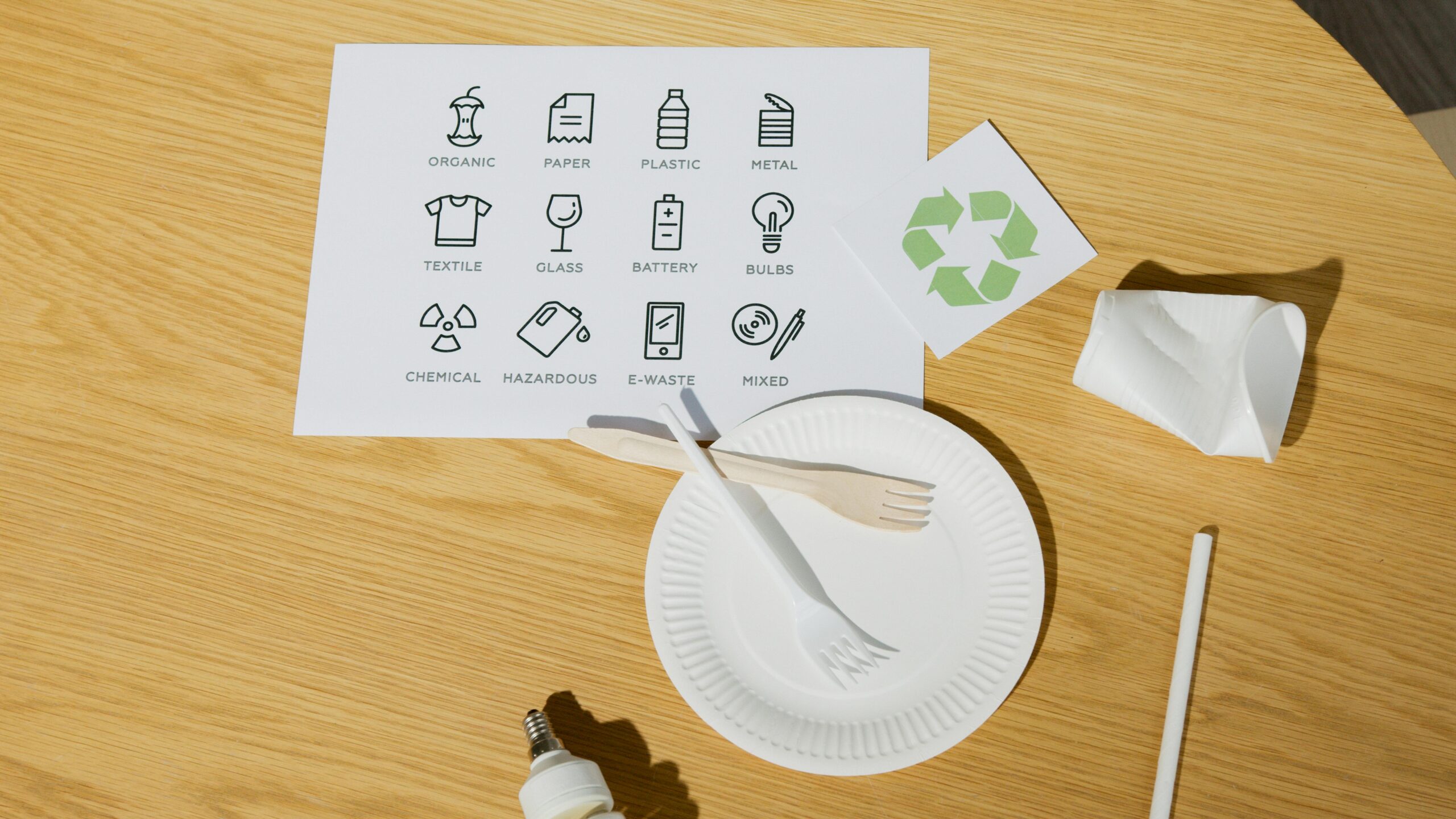
Sustainable batch systems embrace circular economy thinking, viewing waste streams as potential feedstocks rather than disposal challenges. This paradigm shift fundamentally transforms production economics and environmental performance simultaneously.
Byproduct valorization strategies identify markets and applications for materials traditionally considered waste. Chemical manufacturers convert solvent-contaminated streams into fuel supplements. Food processors transform processing residues into animal feed or biogas feedstock. Pharmaceutical companies extract valuable compounds from purification waste streams.
Material flow analysis maps every substance entering and leaving production processes, identifying opportunities to close loops and eliminate waste. This systematic approach reveals inefficiencies invisible to conventional accounting methods, highlighting where small process modifications yield substantial sustainability improvements.
Supplier collaboration extends circular principles upstream, encouraging raw material providers to adopt sustainable practices and accept returned packaging or unused materials for reprocessing. This ecosystem approach creates shared value across the entire supply chain rather than isolating sustainability efforts within individual facilities.
📊 Digital Technologies Enabling Green Operations
Digital transformation provides the intelligence layer that makes sustainable batch systems truly effective. Advanced software platforms integrate data from sensors, equipment, and business systems to optimize environmental performance alongside traditional productivity metrics.
Predictive Analytics and Machine Learning
Machine learning algorithms analyze historical production data to identify patterns linking process parameters with environmental outcomes. These models predict optimal conditions that minimize energy consumption, water usage, and waste generation while maintaining product quality specifications.
Predictive maintenance systems monitor equipment performance to schedule interventions before failures occur, preventing unplanned downtime that wastes partially processed batches and the resources invested in them. This proactive approach reduces waste by fifteen to thirty percent while extending equipment lifespan.
Digital twins create virtual replicas of physical batch systems, allowing engineers to test process modifications and scheduling strategies in simulation before implementing them in actual production. This risk-free experimentation accelerates sustainability innovation without disrupting operations or compromising product quality.
Real-Time Monitoring and Adaptive Control
Internet of Things sensors provide continuous visibility into energy consumption, material flows, emissions, and waste generation. Real-time dashboards present this information to operators and managers in actionable formats that highlight deviation from sustainability targets.
Adaptive control systems automatically adjust process parameters in response to changing conditions, maintaining optimal efficiency as raw material properties vary or equipment performance drifts. This dynamic optimization ensures that sustainability performance remains consistent despite the inherent variability of batch production.
Blockchain-enabled traceability systems document the environmental footprint of individual batches throughout their lifecycle, providing transparent sustainability credentials to downstream customers and end consumers. This verification builds trust and justifies premium pricing for genuinely sustainable products.
🏭 Industry-Specific Applications and Adaptations
Sustainable batch systems manifest differently across industries, reflecting unique production requirements, regulatory frameworks, and sustainability challenges specific to each sector.
Chemical and Pharmaceutical Manufacturing
Chemical batch production traditionally involves significant solvent usage, hazardous waste generation, and energy-intensive separations. Sustainable systems employ solvent recovery and recycling, catalytic processes that reduce reaction steps, and continuous manufacturing techniques that minimize hold-up volumes and improve heat integration.
Pharmaceutical manufacturing adds stringent quality requirements that historically conflicted with sustainability goals. Modern approaches utilize single-use technologies manufactured from biodegradable materials, advanced cleaning validation that reduces water and chemical consumption during changeovers, and process intensification that shrinks equipment size and associated resource requirements.
Food and Beverage Production
Food batch processing generates substantial organic waste streams and requires intensive cleaning between product runs. Sustainable systems convert organic residues into biogas that powers facility operations, creating energy self-sufficiency while eliminating disposal costs and methane emissions from landfills.
Clean-in-place systems optimize chemical concentrations, temperatures, and cycle times to achieve sanitation standards with minimal water and detergent consumption. Some facilities reduce cleaning water usage by ninety percent through targeted soil analysis and precision spray technologies that focus resources where contamination actually occurs.
Specialty Materials and Advanced Manufacturing
Advanced materials production often involves rare or expensive raw materials where losses represent both economic and environmental costs. Sustainable batch systems maximize yield through precise process control, recover valuable materials from waste streams using separation technologies, and design products for end-of-life recycling to close material loops.
Additive manufacturing integration allows facilities to produce custom equipment components on-demand rather than maintaining large inventories of spare parts, reducing material waste and storage energy while improving maintenance responsiveness.
💡 Economic Benefits Beyond Environmental Impact
Sustainable batch systems deliver compelling financial returns that justify investment beyond regulatory compliance and corporate responsibility motivations. These economic benefits often exceed initial projections once systems reach operational maturity.
Energy cost reductions typically provide payback periods of two to five years for renewable integration and efficiency improvements. As fossil fuel prices fluctuate and carbon taxes expand, these savings grow over time, insulating facilities from energy market volatility.
Water cost avoidance becomes increasingly significant as freshwater scarcity drives price increases and regulatory restrictions in many regions. Facilities with robust water recycling systems gain operational security unavailable to competitors dependent on unreliable municipal supplies.
Waste disposal expenses decline dramatically when byproduct valorization transforms disposal costs into revenue streams. Facilities that previously paid to landfill or incinerate waste materials instead sell these streams as feedstocks to other industries, creating multiple financial benefits simultaneously.
Brand value and market access improve as sustainability credentials attract environmentally conscious consumers and satisfy procurement requirements from large corporate buyers. Premium pricing opportunities emerge for products with verified low environmental footprints, improving margins beyond cost reduction alone.
🚀 Emerging Technologies Shaping Tomorrow’s Systems
The frontier of sustainable batch systems continues advancing rapidly as new technologies mature from laboratory concepts to industrial implementation. These innovations promise to accelerate sustainability performance beyond current best practices.
Artificial intelligence platforms optimize entire production schedules holistically rather than individual batches in isolation, finding scheduling sequences that maximize equipment utilization while minimizing cumulative energy consumption and transitions requiring intensive cleaning.
Advanced battery storage systems enable facilities to operate entirely on renewable energy by storing excess solar and wind generation for use during periods of low renewable availability. Combined with vehicle-to-grid integration of electric fleet vehicles, these systems create energy independence and resilience.
Biotechnology innovations replace chemical processes with enzymatic or microbial alternatives that operate at ambient temperatures and pressures, dramatically reducing energy requirements while eliminating hazardous chemicals. Synthetic biology enables production of complex molecules through fermentation batch processes with minimal environmental impact.
Modular production systems built from standardized, reusable components allow rapid reconfiguration for different products, reducing the dedicated equipment footprint and embodied carbon associated with purpose-built facilities. These flexible systems adapt to changing market demands without requiring new construction.
🌍 Overcoming Implementation Challenges
Transitioning to sustainable batch systems presents organizational, technical, and financial challenges that require strategic planning and stakeholder alignment to overcome successfully.
Capital investment requirements can be substantial, particularly for facilities with aging infrastructure requiring comprehensive upgrades. Phased implementation approaches prioritize quick-win projects that generate early returns while building organizational confidence and funding subsequent phases.
Technical expertise gaps emerge as sustainable systems require knowledge spanning traditional process engineering, renewable energy, data science, and circular economy principles. Training programs, strategic hiring, and partnerships with specialized technology providers address these capability requirements.
Cultural resistance within organizations accustomed to conventional practices requires change management strategies that communicate benefits clearly, involve operators in design processes, and celebrate early successes to build momentum for broader transformation.
Regulatory uncertainty around emerging technologies and circular economy approaches sometimes creates hesitation. Proactive engagement with regulators, participation in industry working groups, and pilot projects that demonstrate safety and effectiveness help establish pathways for novel approaches.
🎯 Measuring Success and Continuous Improvement
Effective sustainability programs establish clear metrics, transparent reporting, and continuous improvement processes that drive performance beyond initial implementation achievements.
Key performance indicators should balance environmental, economic, and operational dimensions rather than focusing exclusively on sustainability metrics. Carbon intensity per unit of production, water consumption ratios, waste diversion rates, and energy costs provide actionable targets that align environmental and business objectives.
Benchmarking against industry standards and peer facilities identifies performance gaps and best practice opportunities. Public sustainability reporting creates accountability while building stakeholder trust through transparency about both achievements and areas requiring improvement.
Regular sustainability audits conducted by third parties verify performance claims and identify optimization opportunities invisible to internal teams. These assessments provide credibility to sustainability communications while generating actionable recommendations for continuous advancement.
Innovation pipelines ensure that sustainability improvements continue beyond initial system implementation. Dedicated resources for testing emerging technologies, employee suggestion programs that crowdsource improvement ideas, and partnerships with research institutions maintain forward momentum.

🌟 Creating Lasting Environmental Legacy
Sustainable batch systems represent more than operational improvements; they embody a fundamental shift in how industries perceive their relationship with natural systems. By viewing environmental stewardship as integral to business success rather than a constraint or cost center, organizations position themselves for long-term resilience in an increasingly resource-constrained world.
The competitive advantages created by early adoption compound over time as regulations tighten, resource costs increase, and market preferences shift toward sustainable products. Facilities that lead this transformation establish operational capabilities and market positions difficult for laggards to replicate.
Beyond individual facilities, widespread adoption of sustainable batch systems creates systemic benefits that strengthen entire industries and communities. Reduced pollution improves public health outcomes. Lower carbon emissions mitigate climate change. Water conservation protects ecosystems and ensures availability for all users.
The journey toward greener batch systems continues evolving as technologies advance and understanding deepens. Organizations embracing this transformation today build the foundation for tomorrow’s sustainable manufacturing landscape, where environmental excellence and economic success reinforce rather than conflict with each other. The elements explored throughout this discussion provide a roadmap for that essential journey, turning aspiration into operational reality that benefits business, society, and the planet simultaneously.