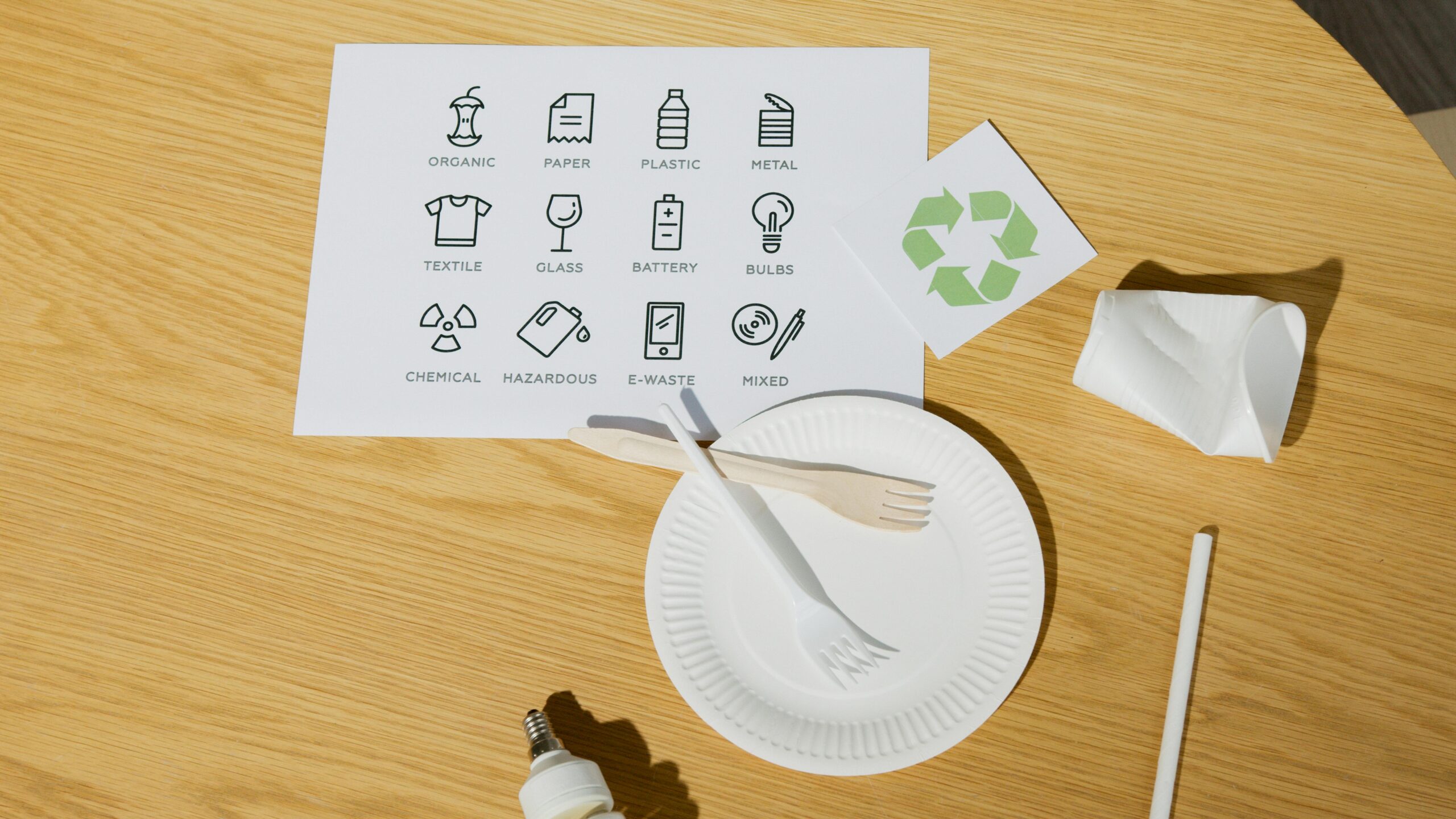
Waste stream mapping transforms batch production from reactive firefighting into a precision-engineered operation that maximizes resource efficiency and profitability.

🎯 Understanding the Foundation of Waste Stream Mapping
In today’s competitive manufacturing landscape, batch production facilities face unprecedented pressure to minimize waste while maximizing output quality. Waste stream mapping emerges as a critical methodology that enables manufacturers to visualize, analyze, and optimize every aspect of their production process. This systematic approach identifies where materials, time, energy, and resources disappear into non-value-adding activities.
The concept extends beyond traditional waste management. It encompasses a comprehensive analysis of material flows, energy consumption patterns, labor allocation, and quality control touchpoints throughout the entire batch production cycle. By creating detailed visual representations of these streams, production managers gain unprecedented insight into inefficiencies that previously remained hidden in complex manufacturing processes.
Successful waste stream mapping requires a fundamental shift in perspective. Rather than viewing waste as an inevitable byproduct of manufacturing, forward-thinking organizations recognize it as valuable data that reveals optimization opportunities. Each discarded material, each minute of downtime, and each rejected batch tells a story about process vulnerabilities waiting to be addressed.
📊 The Seven Categories of Production Waste
Waste stream mapping identifies seven primary waste categories that plague batch production operations. Understanding these categories provides the framework for comprehensive process analysis and targeted improvement initiatives.
Overproduction waste occurs when manufacturers produce more than customer demand requires or create products before orders are confirmed. In batch production, this manifests as excessive batch sizes that tie up capital in inventory and increase storage costs. This waste type often stems from misaligned production scheduling or attempts to maximize equipment utilization without considering downstream demand.
Waiting waste represents time when materials, equipment, or personnel remain idle between production stages. Batch operations are particularly susceptible to this waste form due to the sequential nature of production steps. Workers waiting for machines, materials waiting for processing, or equipment sitting idle between batches all represent opportunities for improvement.
Transportation waste involves unnecessary movement of materials, work-in-progress inventory, or finished goods within the facility. Inefficient facility layouts, poor material flow design, and redundant handling operations contribute to this waste category. Each unnecessary movement consumes time, energy, and labor while increasing the risk of damage or contamination.
Processing waste includes any production activity that doesn’t add value from the customer’s perspective. Over-specification, unnecessary quality checks, or redundant processing steps fall into this category. Batch production often accumulates processing waste through well-intentioned but excessive quality control measures or overly complex formulations.
Additional Waste Dimensions in Batch Operations
Inventory waste extends beyond raw materials to include work-in-progress and finished goods that exceed immediate requirements. Excess inventory consumes valuable floor space, requires additional handling, increases spoilage risk, and obscures quality problems that might otherwise surface quickly.
Motion waste refers to unnecessary human movement during production activities. Poorly organized workstations, inadequate tool placement, and inefficient workflows force operators to walk, reach, bend, or search unnecessarily. These movements accumulate into significant productivity losses over multiple batches and production shifts.
Defect waste encompasses rejected products, rework requirements, and quality failures. In batch production, defects carry amplified consequences because entire batches may require disposal or reprocessing. This waste category directly impacts material costs, labor efficiency, and customer satisfaction.
🗺️ Building Your Waste Stream Map: A Systematic Approach
Creating an effective waste stream map requires methodical data collection and analysis. The process begins with defining clear boundaries for the mapping exercise. Determine which production lines, product families, or time periods will be included in the initial assessment. Starting with a manageable scope ensures thorough analysis without overwhelming the team.
Data collection forms the foundation of accurate waste stream mapping. Deploy multiple collection methods simultaneously to capture comprehensive information. Direct observation provides qualitative insights into operator behaviors and process nuances that data systems might miss. Production records, maintenance logs, and quality reports offer quantitative metrics that validate observations and reveal patterns over time.
Engaging frontline operators and production supervisors proves essential for mapping accuracy. These team members possess intimate knowledge of daily production realities, informal workarounds, and recurring problems. Structured interviews and collaborative mapping sessions tap into this expertise while building buy-in for subsequent improvement initiatives.
Visualization Techniques for Maximum Impact
Transform collected data into visual representations that communicate waste patterns clearly. Value stream maps provide high-level overviews of material and information flows, highlighting where value is added and where waste accumulates. Spaghetti diagrams illustrate physical movement patterns, revealing transportation and motion waste through visual complexity.
Process flow diagrams detail individual operations within each batch production stage. Annotate these diagrams with cycle times, changeover durations, quality checkpoints, and waste generation rates. Color-coding different waste types creates immediate visual impact that facilitates prioritization discussions.
Digital mapping tools enable dynamic analysis and scenario modeling. Spreadsheet-based templates work well for smaller operations, while dedicated software solutions offer advanced capabilities for complex multi-line facilities. The key is selecting tools that match organizational capabilities and commitment levels rather than pursuing unnecessarily sophisticated solutions.
🔍 Analyzing Waste Patterns and Root Causes
Once waste streams are mapped, systematic analysis reveals underlying causes rather than merely documenting symptoms. Apply the “Five Whys” technique to drill down into root causes. When a waste stream appears on the map, repeatedly ask “why” until fundamental causes emerge rather than superficial explanations.
Quantify waste impact using standardized metrics that facilitate comparison and prioritization. Calculate waste costs in terms of materials, labor hours, energy consumption, and opportunity costs. Convert these figures into annual values to emphasize improvement potential and justify investment in countermeasures.
Pattern recognition separates systematic waste from random variation. Look for waste that consistently appears at specific production stages, times of day, or batch sizes. Systematic patterns indicate process design flaws or equipment limitations requiring structured solutions, while random variation may signal training needs or procedural compliance issues.
Prioritization Frameworks for Improvement Planning
Not all identified waste merits immediate attention. Apply prioritization frameworks that balance improvement impact against implementation difficulty. High-impact, low-difficulty improvements deliver quick wins that build momentum and demonstrate methodology value. Document these quick wins to secure leadership support for more complex initiatives.
Consider waste interdependencies when prioritizing improvements. Reducing inventory waste may require addressing overproduction first. Eliminating waiting waste might depend on solving transportation bottlenecks. Mapping these relationships ensures improvement sequences that build on each other rather than creating new problems.
Establish baseline metrics before implementing changes. Document current-state performance using the same measures that will track improvement progress. Photographic documentation, production data snapshots, and operator testimonials create compelling before-and-after comparisons that validate improvement efforts.
⚡ Implementing Targeted Waste Reduction Strategies
Translate waste stream insights into concrete improvement actions through structured implementation planning. Break large improvement opportunities into manageable projects with clear objectives, timelines, and accountability assignments. Pilot programs test proposed changes on limited scales before full deployment, reducing implementation risk.
Batch size optimization addresses multiple waste categories simultaneously. Smaller batches reduce inventory carrying costs, shorten lead times, and enable faster quality feedback loops. However, smaller batches may increase changeover frequency, requiring simultaneous quick changeover initiatives to maintain overall equipment effectiveness.
Standard work documentation codifies best practices discovered through waste analysis. Detailed procedures specify optimal material handling methods, quality check frequencies, and equipment operation parameters. Visual work instructions reduce training time and ensure consistency across shifts and operators.
Technology Integration for Waste Reduction
Modern manufacturing technologies amplify waste reduction efforts when strategically deployed. Real-time production monitoring systems detect deviations from standard processes immediately, enabling rapid corrective action before entire batches are affected. Automated material handling reduces transportation and motion waste while improving workplace safety.
Predictive maintenance algorithms analyze equipment sensor data to forecast failures before they occur. This capability transforms maintenance from reactive to proactive, reducing unexpected downtime and associated waiting waste. Schedule maintenance activities during planned production breaks to minimize impact on batch schedules.
Quality management software tracks defect patterns across batches, materials, and process conditions. Statistical analysis identifies significant factors influencing quality outcomes, guiding targeted process adjustments. Digital batch records ensure traceability while reducing paperwork-related processing waste.
📈 Measuring Success and Sustaining Improvements
Establish comprehensive performance measurement systems that track waste reduction progress across multiple dimensions. Overall equipment effectiveness (OEE) combines availability, performance, and quality metrics into a single efficiency indicator. Track OEE improvement over time to validate that waste reduction efforts translate into genuine productivity gains.
Material yield rates quantify how effectively raw materials convert into saleable products. Calculate yield at individual process steps and across entire batch cycles. Improving yield directly impacts profitability by reducing material costs per unit produced.
First-pass yield measures the percentage of batches meeting quality specifications without rework. This metric highlights quality-related waste and validates the effectiveness of defect reduction initiatives. Aim for continuous improvement rather than arbitrary targets, celebrating incremental progress toward manufacturing excellence.
Creating a Culture of Continuous Improvement
Sustainable waste reduction requires cultural transformation beyond initial mapping exercises. Implement regular kaizen events that engage frontline teams in problem-solving activities. These focused improvement workshops generate specific solutions while developing employee capability and ownership.
Visual management systems make waste reduction progress visible throughout the facility. Performance boards display key metrics, improvement projects, and team achievements. Transparency reinforces accountability and celebrates successes, maintaining momentum during challenging implementation periods.
Recognition programs acknowledge individuals and teams who identify waste reduction opportunities or contribute to improvement projects. Formal recognition systems combined with informal appreciation create environments where continuous improvement becomes ingrained in daily work routines.
🚀 Advanced Strategies for World-Class Performance
Organizations that master basic waste stream mapping can pursue advanced strategies that deliver exceptional competitive advantage. Value stream integration extends waste analysis beyond facility walls to encompass suppliers and customers. Collaborative waste reduction initiatives with supply chain partners optimize total system performance rather than isolated operations.
Simulation modeling tests proposed process changes in virtual environments before physical implementation. Digital twins replicate production systems with sufficient fidelity to predict improvement outcomes, changeover impacts, and capacity constraints. This capability reduces implementation risk while accelerating improvement cycles.
Artificial intelligence applications identify waste patterns too complex for human analysis. Machine learning algorithms detect subtle correlations between process parameters and waste generation rates. These insights enable proactive adjustments that prevent waste before it occurs rather than merely responding to problems.
Scaling Success Across Multiple Production Lines
As waste reduction methodologies prove effective in initial applications, systematic scaling ensures enterprise-wide benefits. Develop standardized mapping templates and analysis tools that reduce startup effort for new lines or facilities. Create centers of excellence that provide methodology expertise, training, and implementation support to operating units.
Cross-functional improvement teams transfer lessons learned between production areas. Regular knowledge-sharing forums showcase successful projects and discuss implementation challenges. This collaboration accelerates improvement adoption while preventing unnecessary duplication of effort.
Executive sponsorship sustains waste reduction initiatives through organizational changes and competing priorities. Leadership commitment signals strategic importance, secures necessary resources, and maintains focus during inevitable implementation obstacles. Regular executive reviews of waste reduction progress reinforce accountability at all organizational levels.

💡 Transforming Data Into Competitive Advantage
Waste stream mapping generates enormous quantities of data that, when properly leveraged, become strategic assets. Advanced analytics identify leading indicators that predict waste before it manifests in production outcomes. Proactive management based on these indicators prevents problems rather than reacting to symptoms.
Benchmarking waste metrics against industry standards or internal best practices reveals relative performance and identifies improvement opportunities. External benchmarking provides competitive context, while internal comparisons between similar production lines highlight transferable best practices.
Customer-focused waste analysis aligns internal improvement priorities with external value creation. Understand which waste categories most significantly impact customer satisfaction, delivery performance, or product quality. Prioritize improvements that strengthen customer relationships and support revenue growth objectives.
The journey from reactive waste management to proactive efficiency optimization requires commitment, methodology, and persistence. Waste stream mapping provides the framework for this transformation, converting intuition-based management into data-driven decision making. Organizations that embrace comprehensive waste analysis position themselves for sustained competitive advantage in increasingly demanding markets.
Production excellence emerges not from isolated improvement projects but from systematic waste identification and elimination embedded in daily operations. Every mapped waste stream represents an opportunity to reduce costs, improve quality, shorten lead times, or enhance workplace safety. The cumulative impact of addressing these opportunities transforms manufacturing performance and organizational capability.
Begin your waste stream mapping journey today with modest ambitions and manageable scope. Document current reality with brutal honesty, engage frontline expertise, and celebrate early wins. As methodology competence grows and organizational confidence builds, expand scope and pursue increasingly sophisticated applications. The path to operational excellence starts with the first mapped waste stream and continues through relentless focus on continuous improvement.